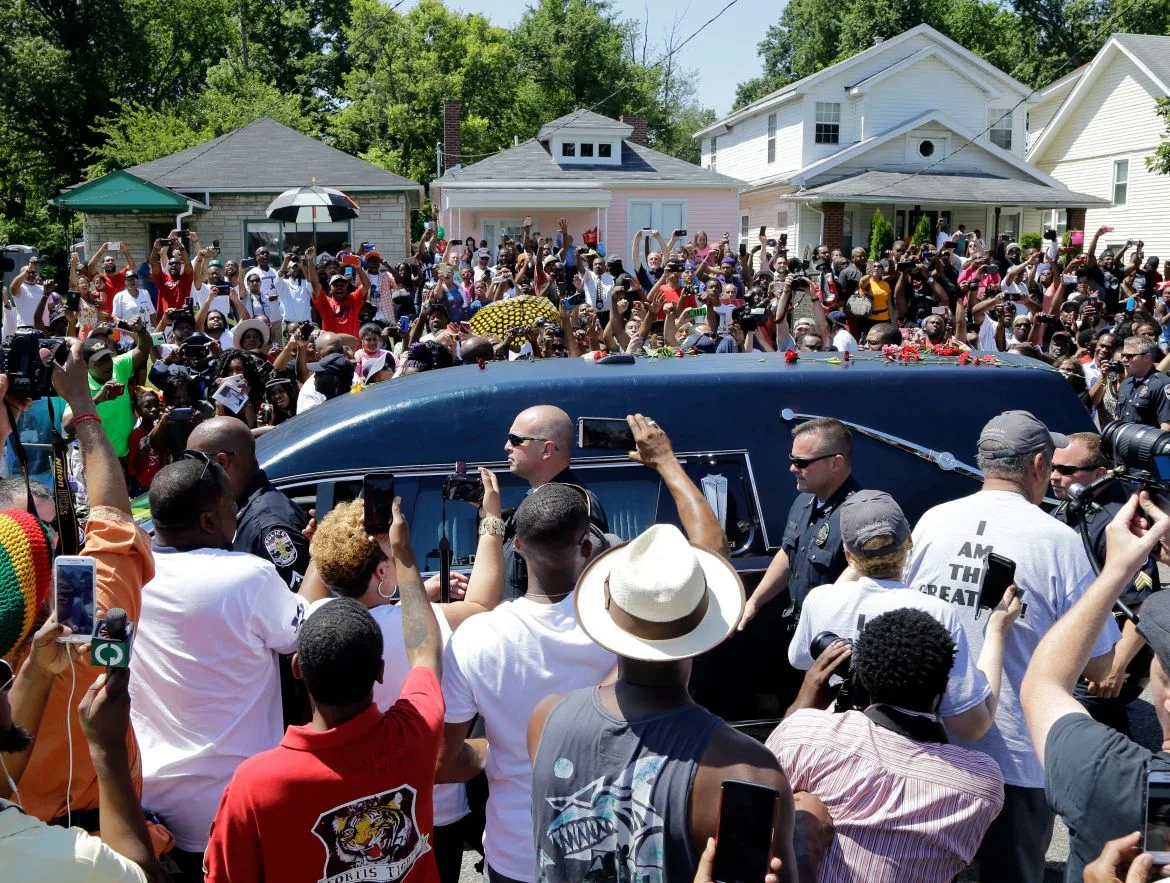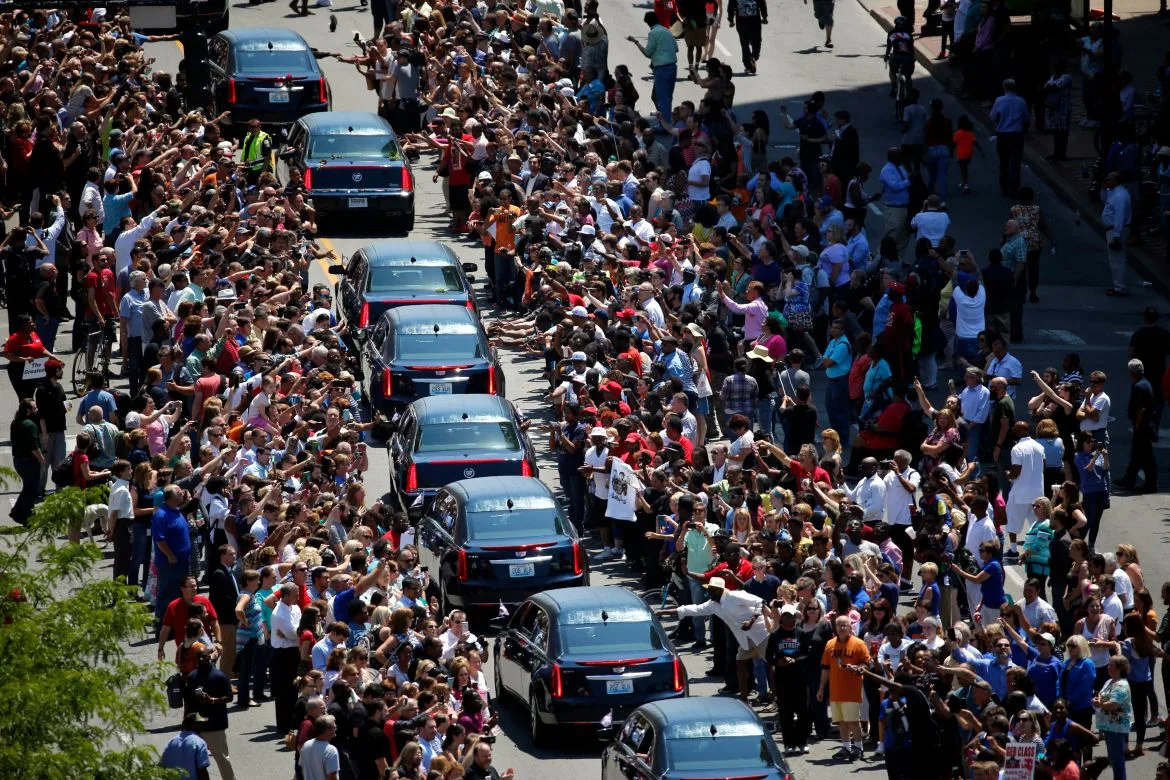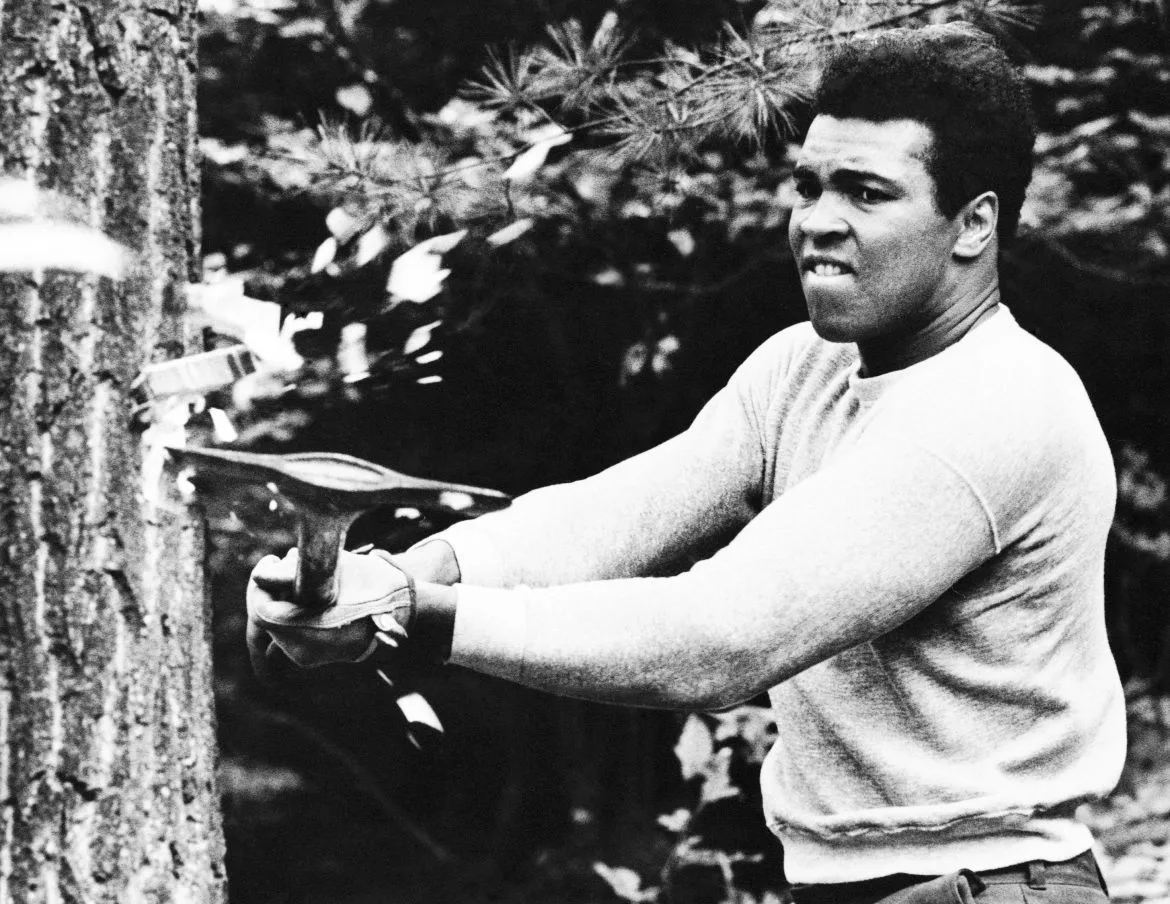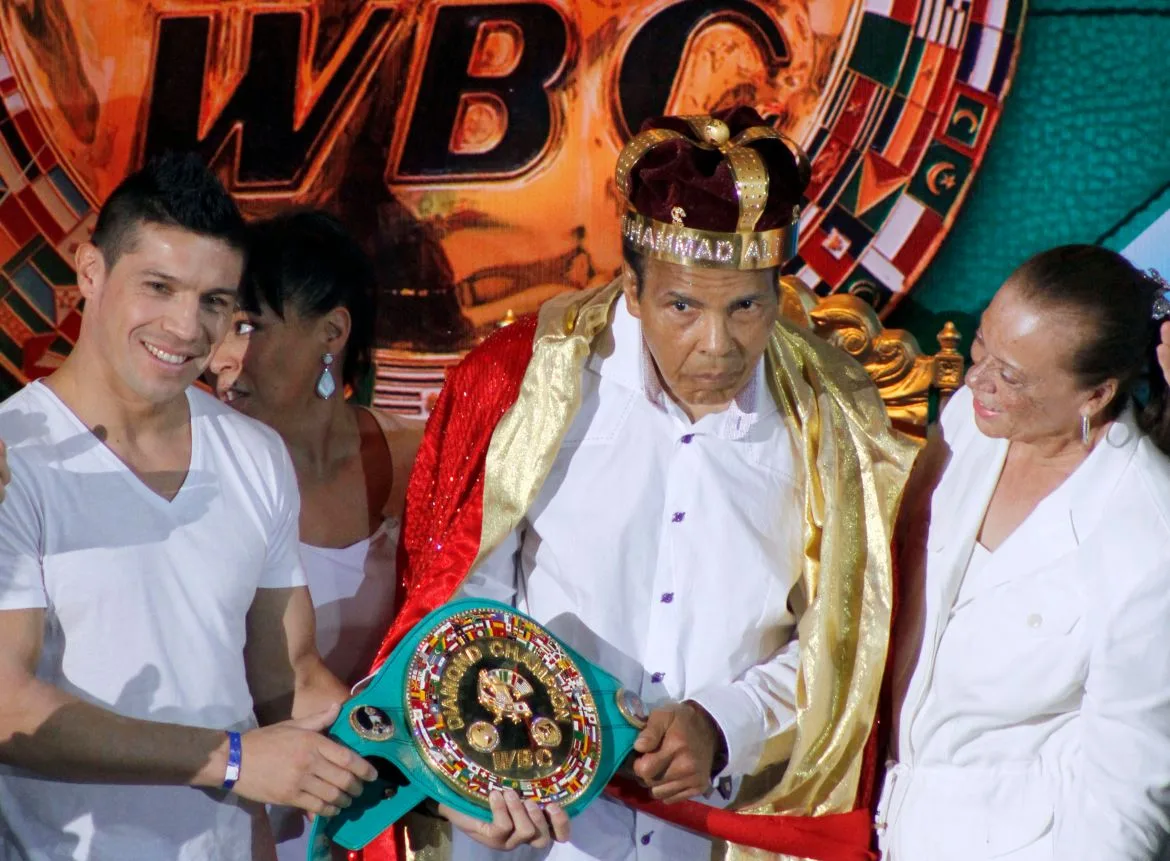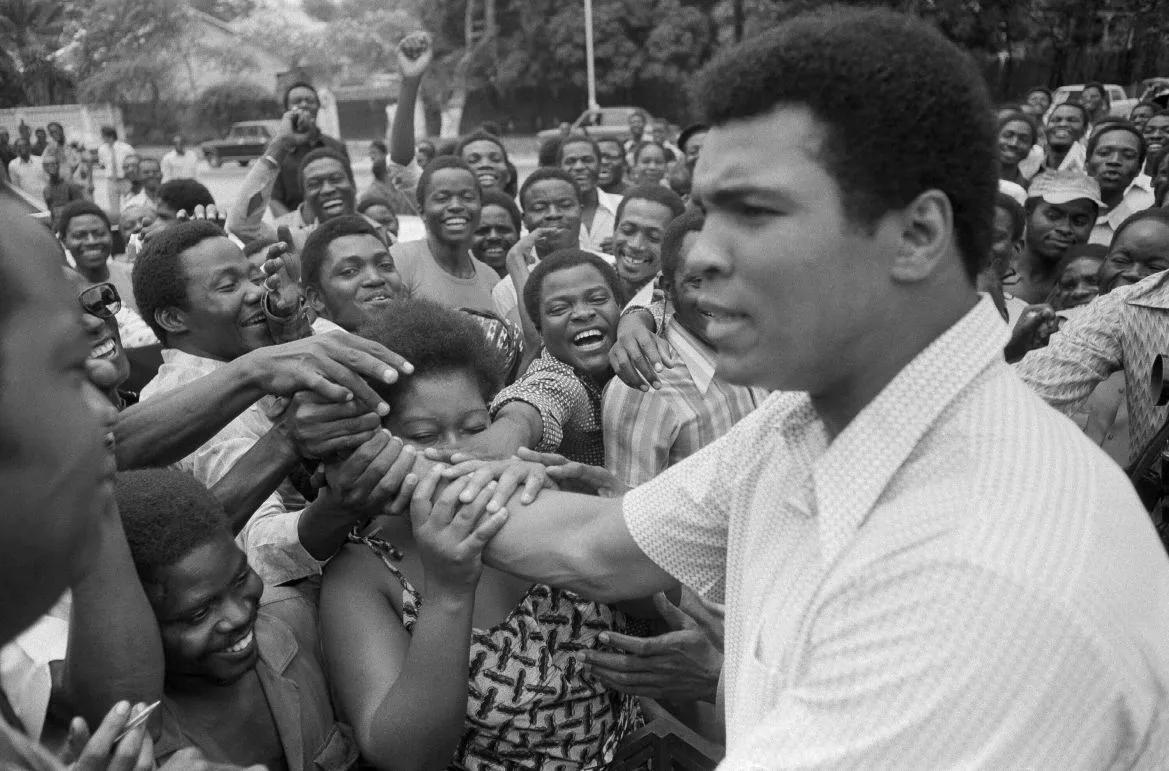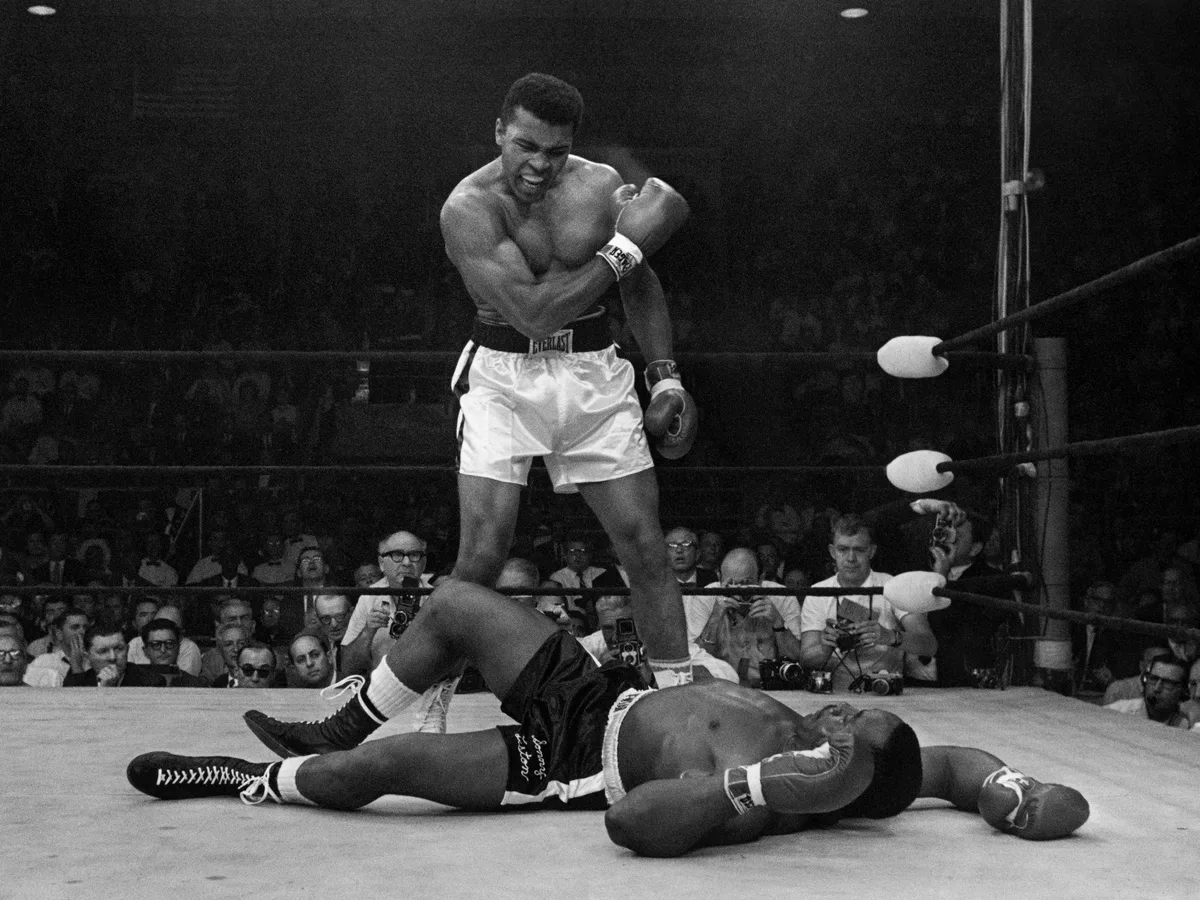
Muhammad Ali died on June 3, 2016, after a long battle with Parkinson’s disease, leaving behind a legacy that extends beyond boxing [1, 2]. On the 10th anniversary of his death in 2026, the Muhammad Ali Center in Louisville led commemorations with a global Day of Compassion to honor Ali’s life and values [1].
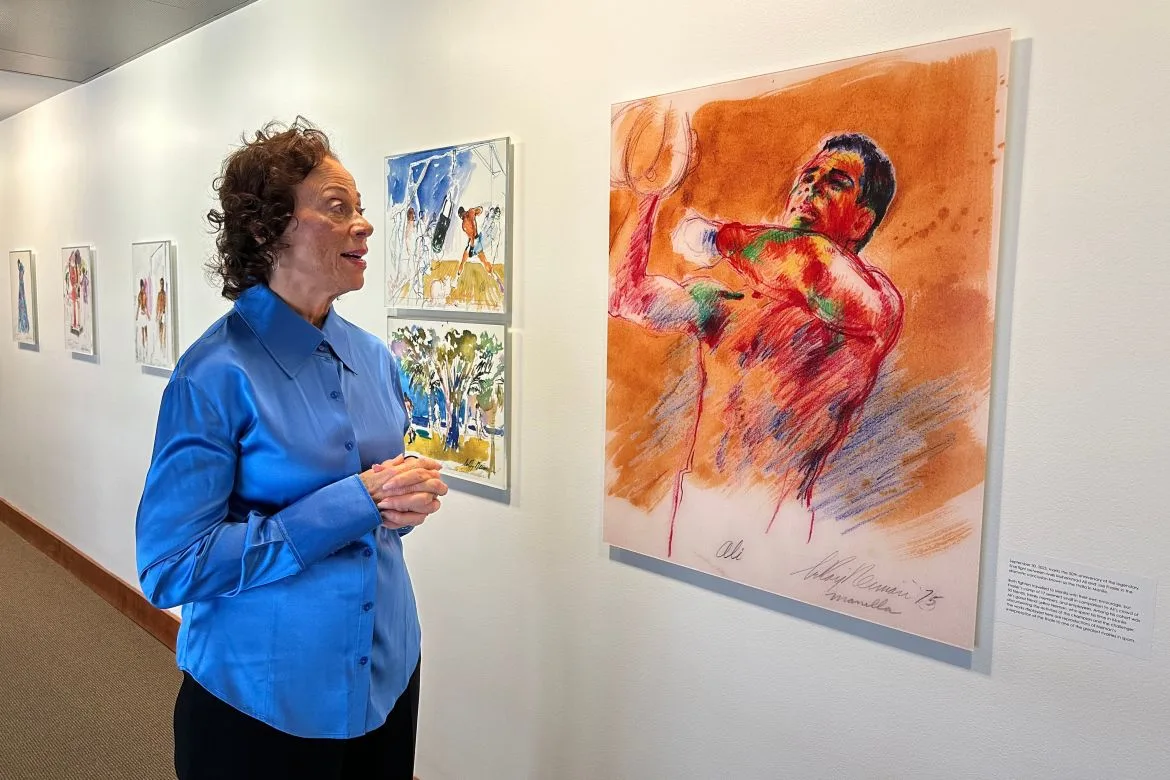
Lonnie Ali, Muhammad Ali’s widow and lifetime director of the Center, emphasized compassion as a core part of Ali’s legacy. She said, "Muhammad lived by this mantra: Service to others is the rent we pay for our room here on Earth," highlighting Ali’s dedication to helping others throughout his life [1]. Lonnie Ali also called for compassionate leadership today and criticized changes to voting rights laws, stating, "You can’t have equal representation when you’re denying people voting rights" [1].
In 2025, the Muhammad Ali Center released the first Muhammad Ali Index to measure compassion across 12 U.S. cities, covering areas like education, health care, spirituality, politics, and sports [2]. Lonnie Ali explained, "The Index was really [created] because people think compassion is a soft skill. But it really isn't. It's something that can be measured" [2]. The Index expanded to include 8 additional U.S. cities and 12 international cities, creating a global Compassion Index [2].
Ali’s enduring impact is visible in many ways, including his likeness on a U.S. postage stamp, symbolizing how his message continues to resonate worldwide [1]. Lonnie Ali described him as "a person who did not judge others," reinforcing the inclusive spirit Ali championed [2].
Events marking the 10th anniversary launched on June 3, 2026, with activities organized globally to promote compassion in communities. The Muhammad Ali Center plans to further develop the Compassion Index to expand its reach and deepen understanding of empathy’s role in public life [1, 2].