UEFA announced it will continue to boycott both the men's and women's World Cups despite FIFA withdrawing its controversial plan to allow private investment in the tournaments [1, 2, 3, 4, 5]. The boycott persists because UEFA's key conditions have not been met: the proposals to sell stakes in the World Cups must be withdrawn and assurances given that no similar attempts will occur again, which FIFA has yet to provide [1, 6, 2, 3, 4, 5].
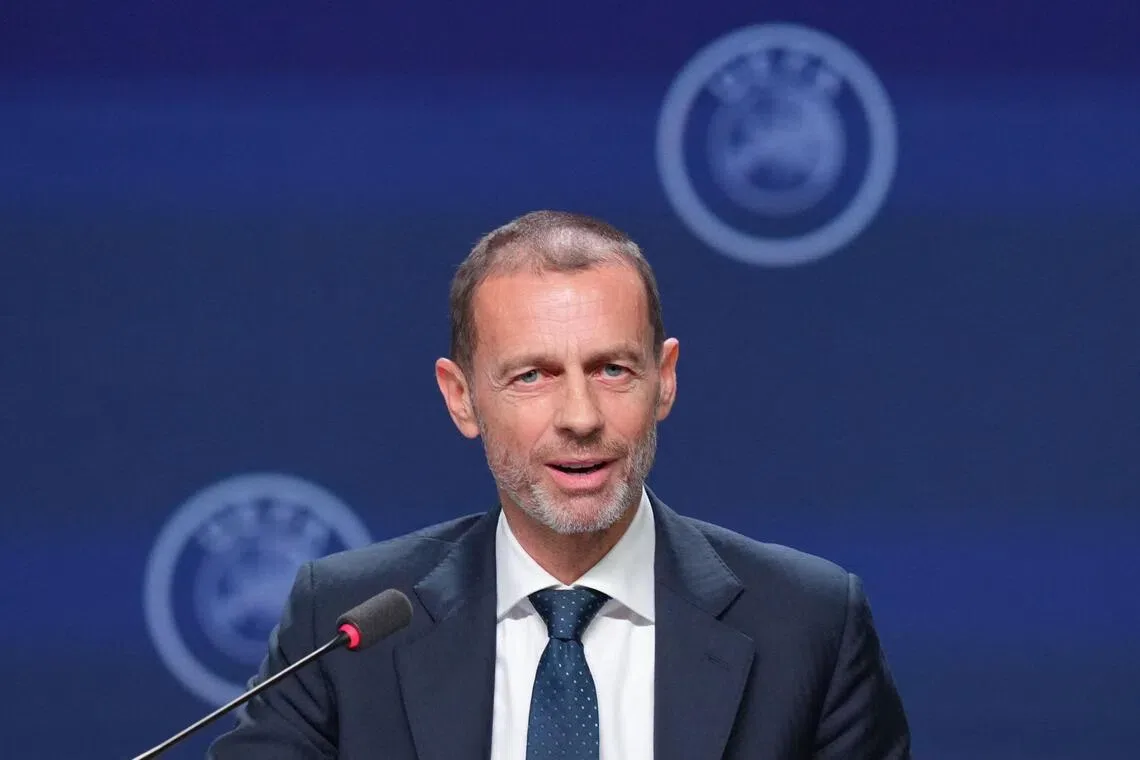
The FIFA Forward Enterprise (FFE) plan unveiled on July 26 aimed to sell a 20% stake in the World Cups to private investors, potentially raising up to US$4.2 billion, with a one-off payment of US$20 million offered to each FIFA member association if approved [6, 7, 4, 5]. UEFA dismissed the plan as a "shabby, back room, opaque deal" and said its members have lost confidence in FIFA President Gianni Infantino's leadership [6, 2, 4]. UEFA underscored their position stating, "First, the proposals to sell off the major competitions had to be withdrawn and secondly, assurances have to be made that such attempts... will never be made again. These conditions have not been met" [1].
On July 30, UEFA threatened a boycott if the plan was not scrapped. FIFA withdrew the FFE proposal by August 1 [4]. Despite this, UEFA confirmed on August 6 the boycott would continue [1, 6, 7, 3, 8, 4, 5]. The English Football Association also withdrew its support for Infantino, sending a letter emphasizing it would no longer back him [6, 7, 8].
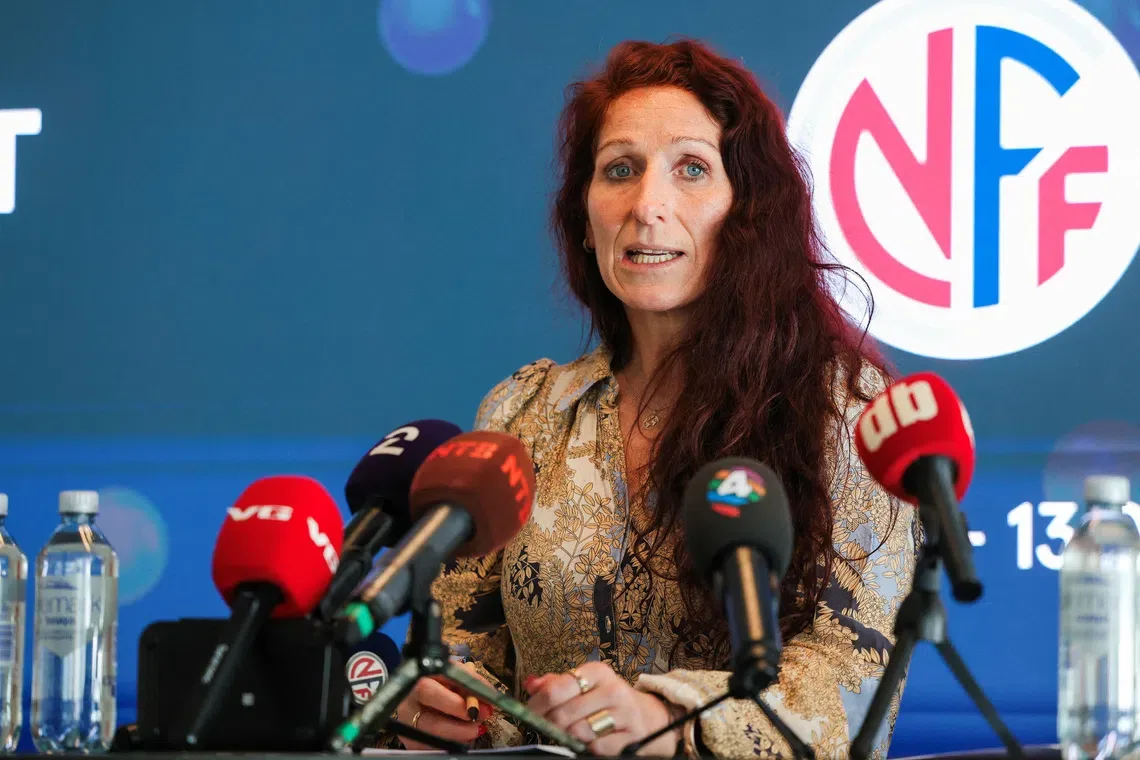
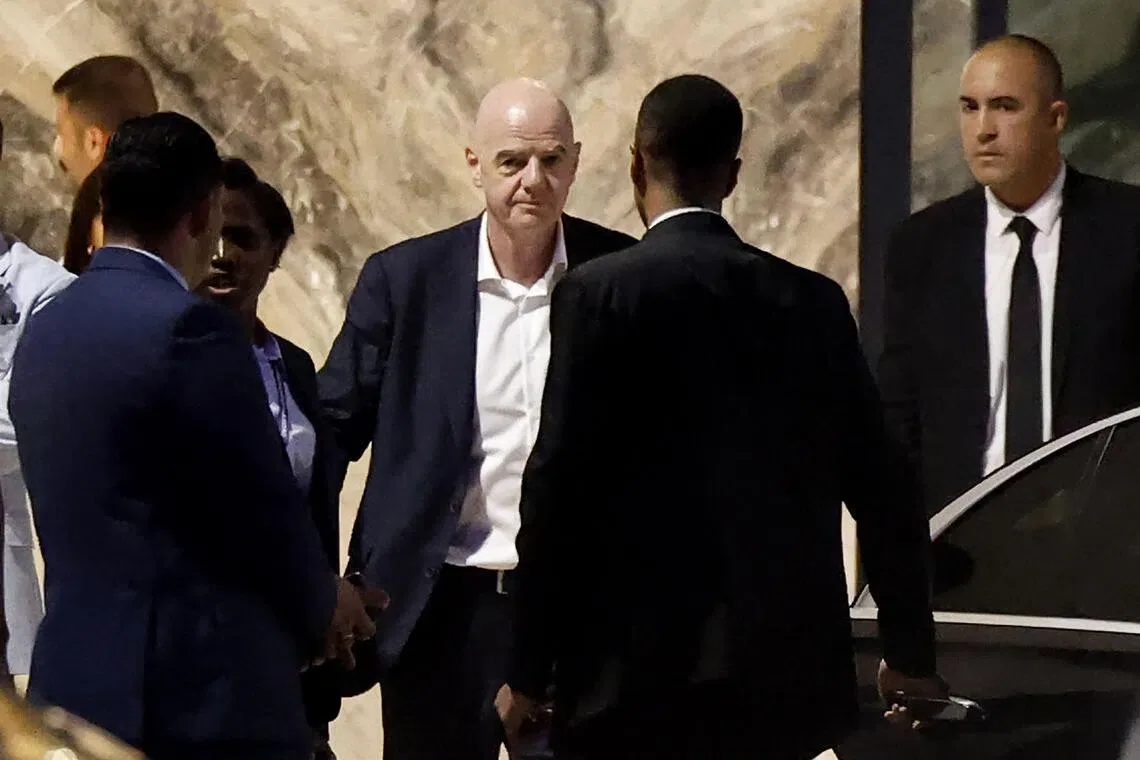
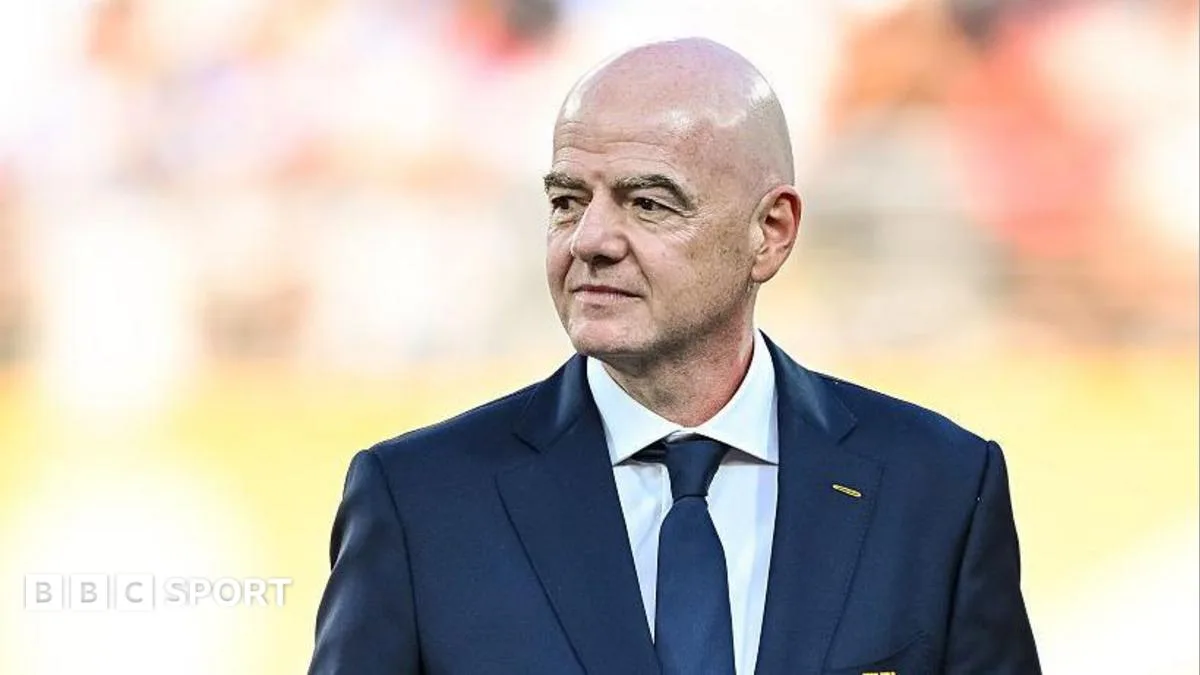
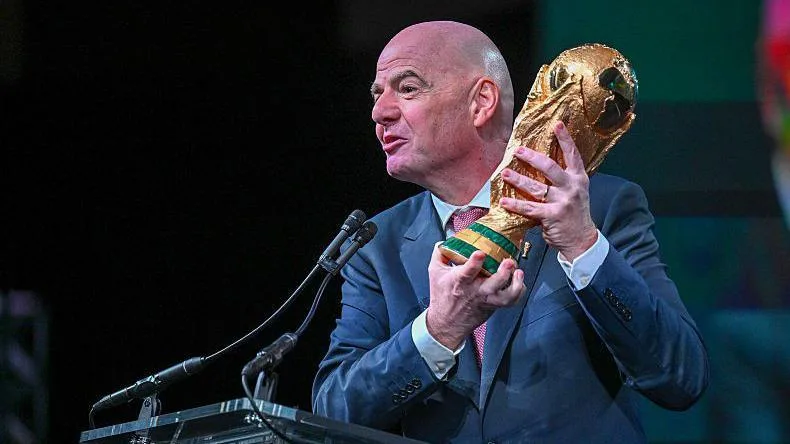
Infantino, 56, received backing from senior FIFA directors at an emergency meeting in Morocco on August 5, amidst widespread criticism of his handling of the proposal [7, 2, 4, 5]. However, calls for his resignation intensified. Norwegian Football Federation President Lise Klaveness called for Infantino to step down, saying "He does not have the institutional trust required to govern FIFA... The international football cooperation is very much in trouble, and we must have a reason to get together now, and we want to ask the FIFA president to resign now" [9, 10, 11]. Other leading football figures like Arsene Wenger and Luis Figo criticized the failed plan [7, 2, 8].
Support for Infantino remains divided internationally, with Mexico and Argentina backing him despite the controversy, while Norway pushes for his resignation [12]. The Confederation of African Football also expressed support for Infantino [5].
FIFA Secretary General Mattias Grafstrom described the FFE proposals as "a sad and reproachable series of events" and apologized for mishandling members' inclusion, but maintained the exclusion was unintentional [6, 7, 8].
UEFA's boycott stands until FIFA meets its demands with clear commitments to prevent any future private sale of World Cup stakes [1, 6]. UEFA and FIFA members will continue discussions amid mounting internal and external pressure on Infantino's presidency.