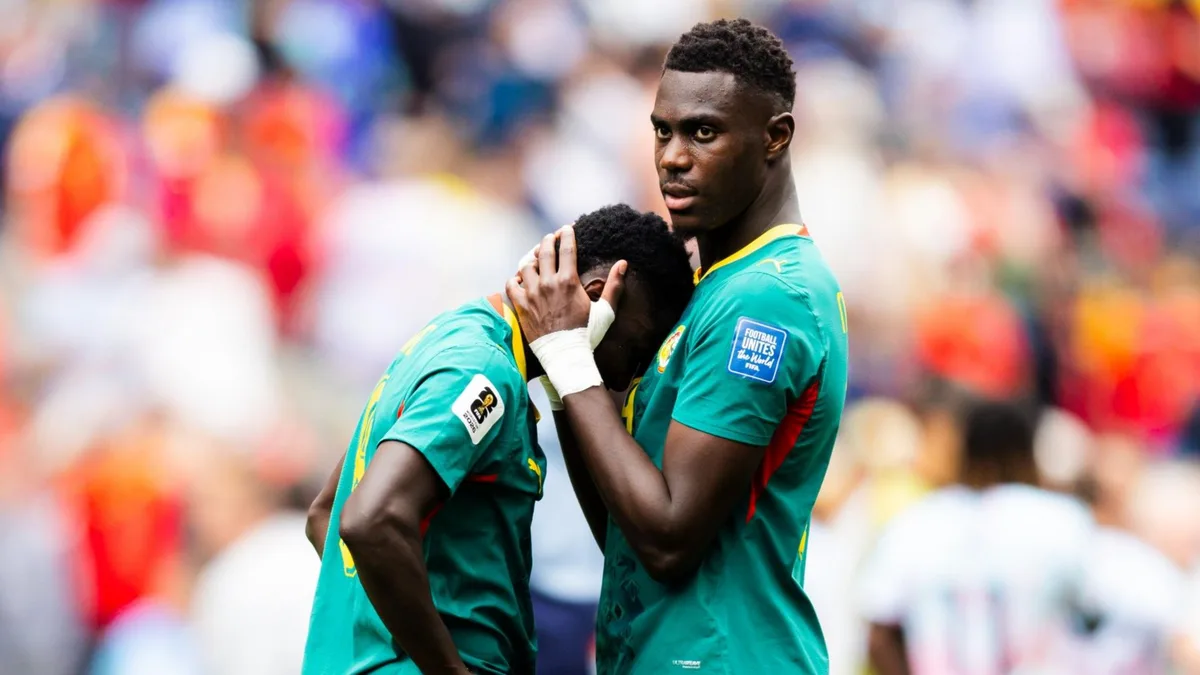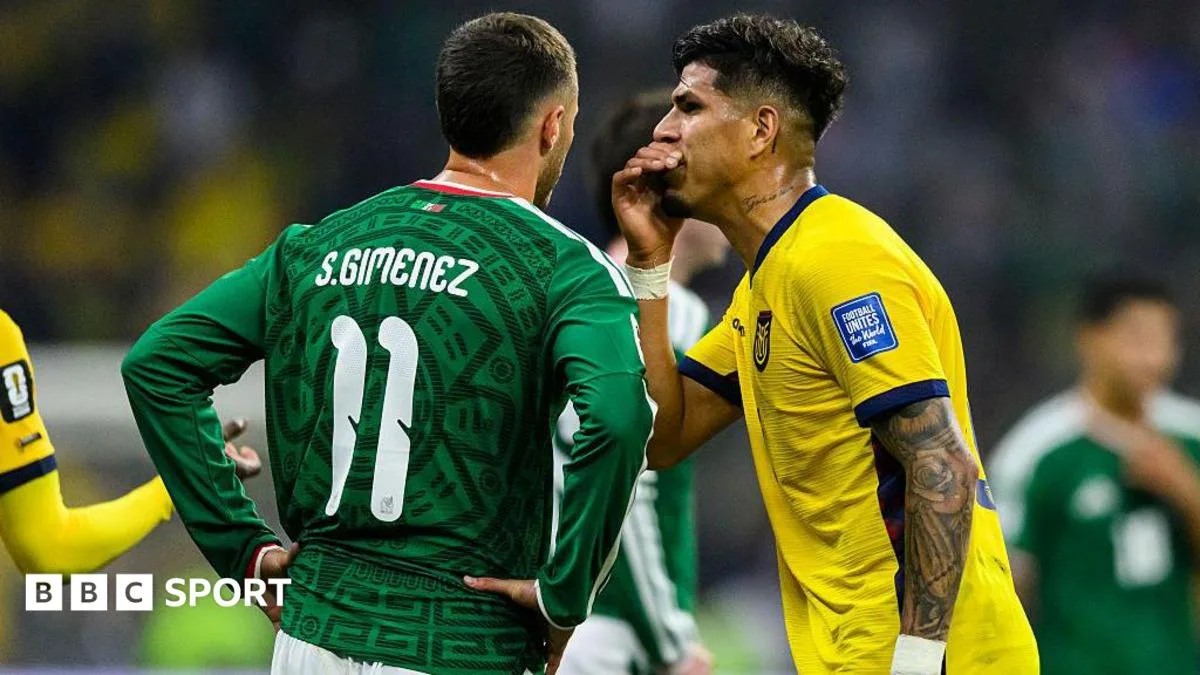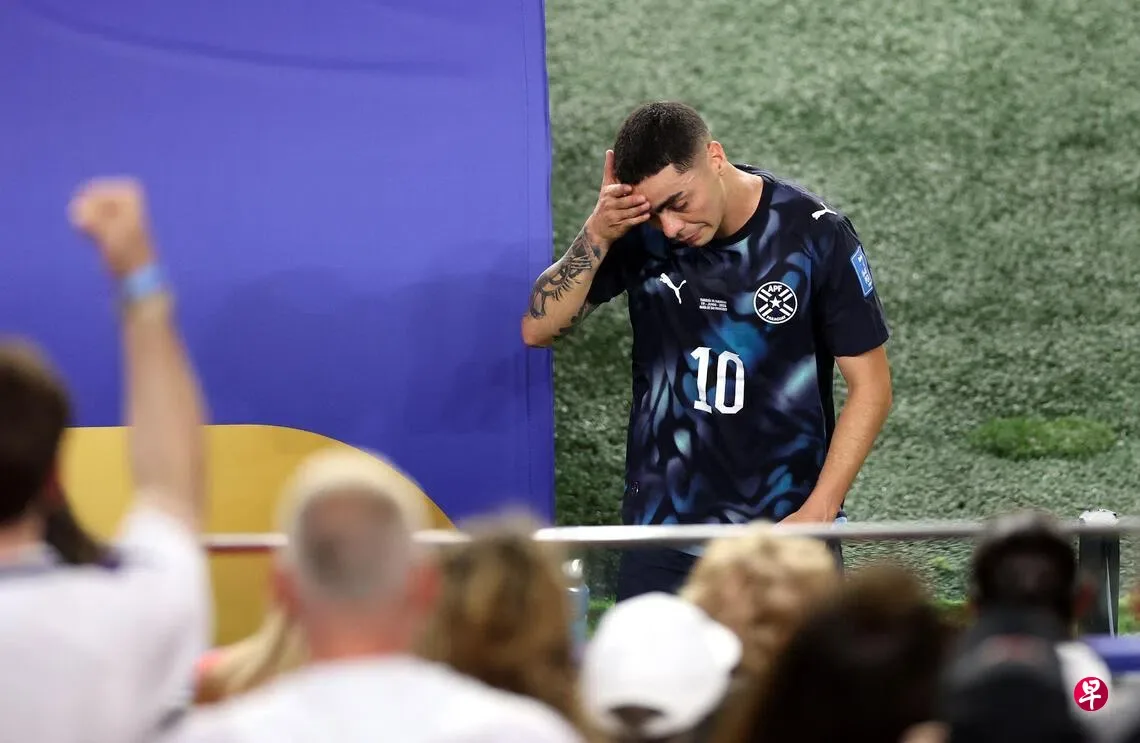
UEFA announced on July 2, 2026, that players who cover their mouths when talking to opponents will not receive red cards in its competitions next season, including the Champions League, Europa League, and Conference League [1, 2, 3, 4]. The decision comes despite the 2026 FIFA World Cup enforcing a red card rule for this behavior, which led to Paraguay's Miguel Almirón and Ecuador's Piero Hincapié being sent off after covering their mouths during confrontations [1, 2, 3, 4].
FIFA President Gianni Infantino promoted the mouth-covering red card rule at the World Cup to deter abusive or discriminatory language [1, 2, 3, 4]. However, UEFA will only consider such mouth covering as unsportsmanlike conduct warranting a yellow card if referees judge it is used to conceal inappropriate communication during a confrontation [1, 2, 3, 4]. UEFA stated, "This is obviously without prejudice to any disciplinary investigation or proceedings that may follow as a consequence of, or in connection with, such behaviour" [1, 3, 4].
The mouth-covering controversy gained attention earlier in the year when Benfica's Gianluca Prestianni covered his mouth during a February Champions League game against Real Madrid's Vinícius Júnior. Prestianni was disciplined for homophobic conduct, not racial abuse, leading to a six-match ban with three matches suspended [1, 2, 3, 4].
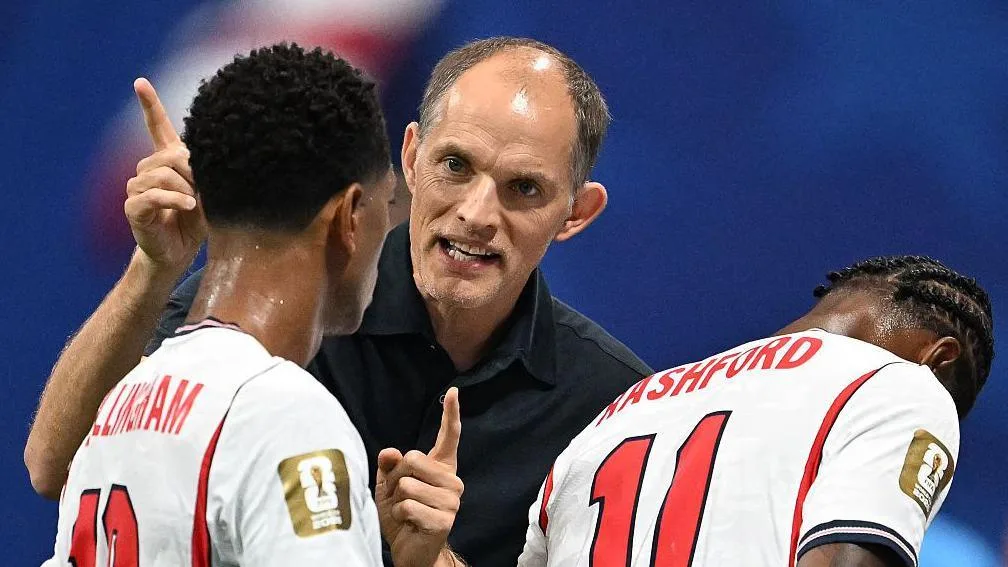
England's Jude Bellingham was also seen covering his mouth during a World Cup group game against Ghana. UEFA did not sanction him as the act was not in a confrontational context [1, 2, 3].
UEFA also confirmed it will not impose red cards on players who leave the field in protest over referee decisions [1, 2, 3]. Additionally, UEFA will use VAR to check incorrect corner situations under a rule introduced at the World Cup [1, 3].