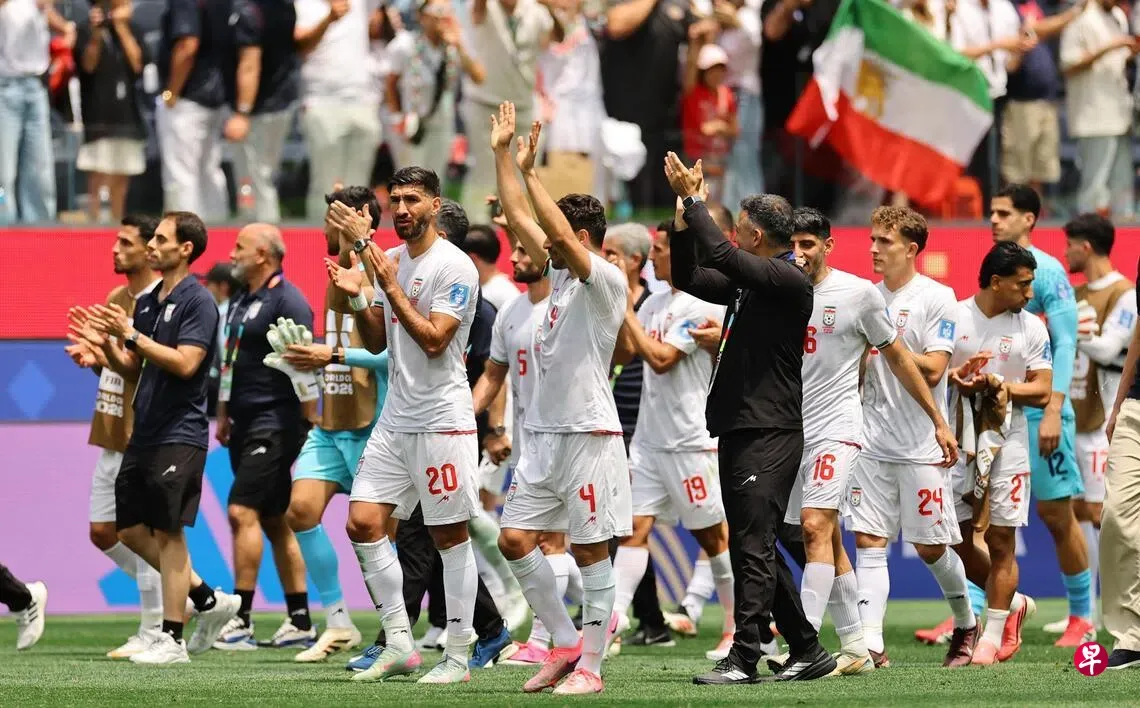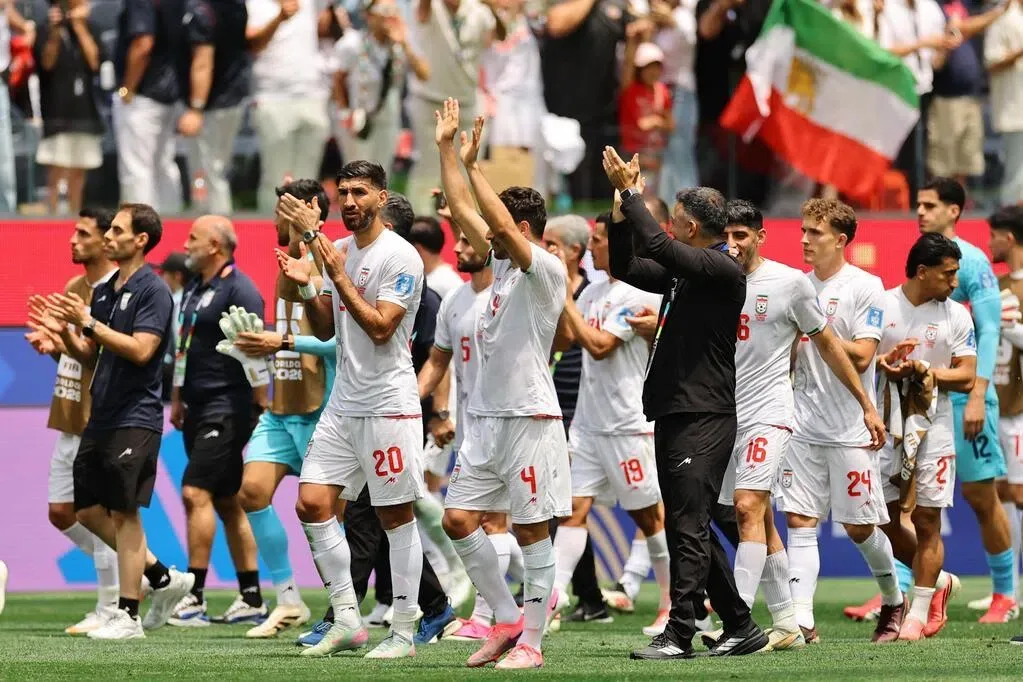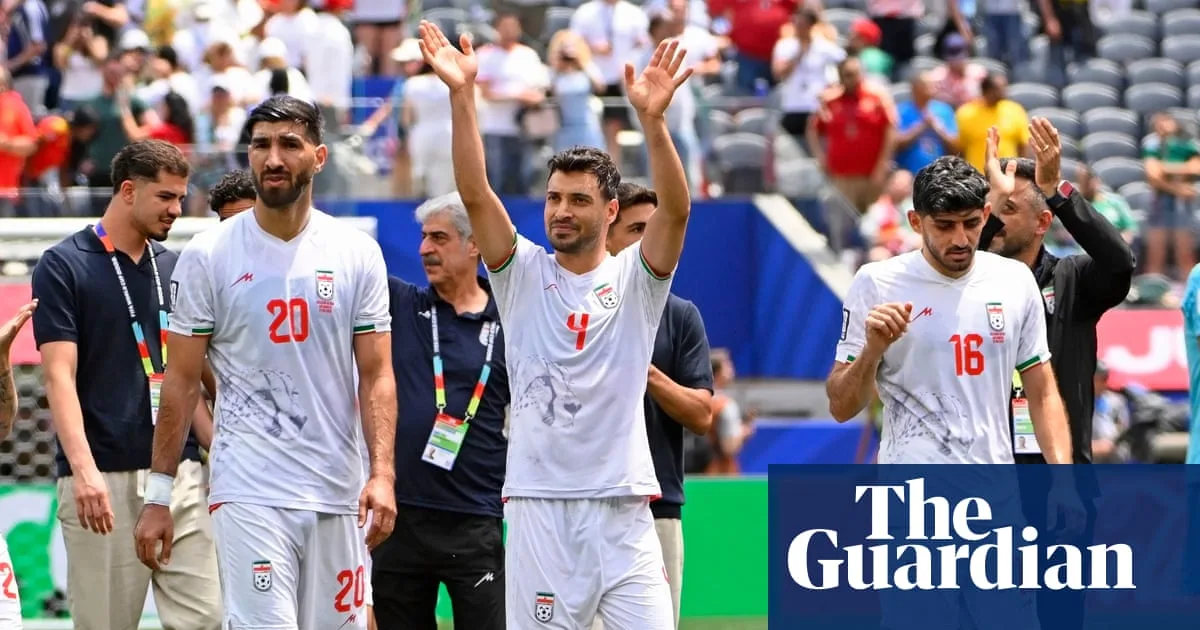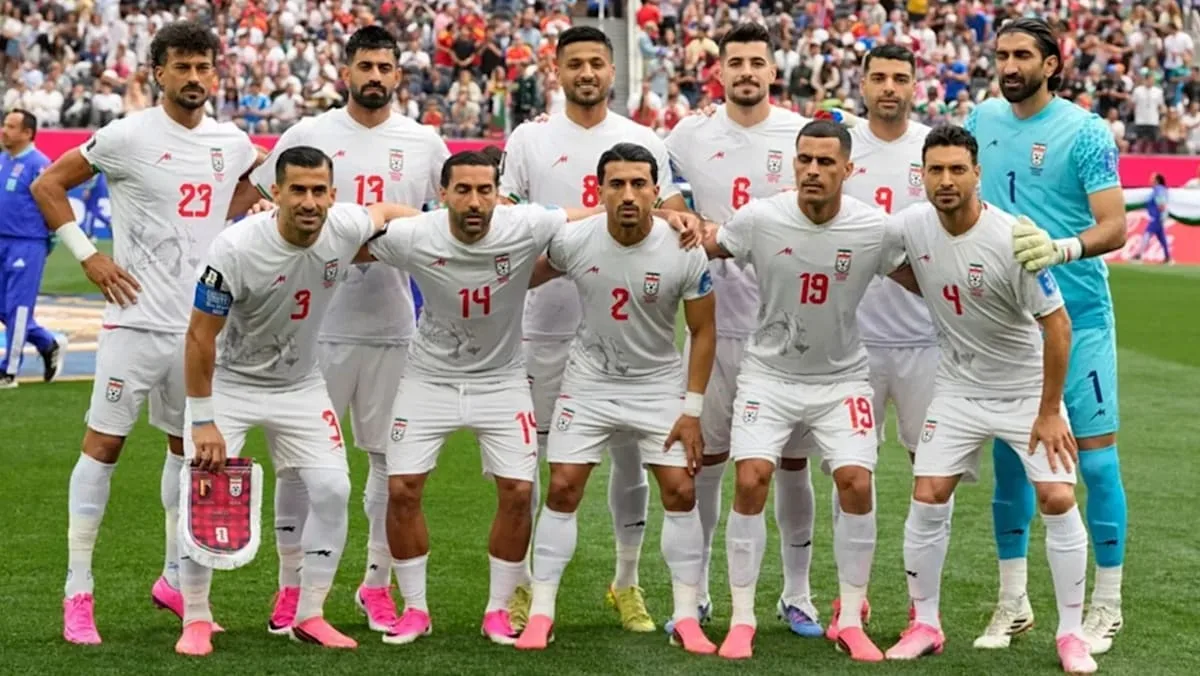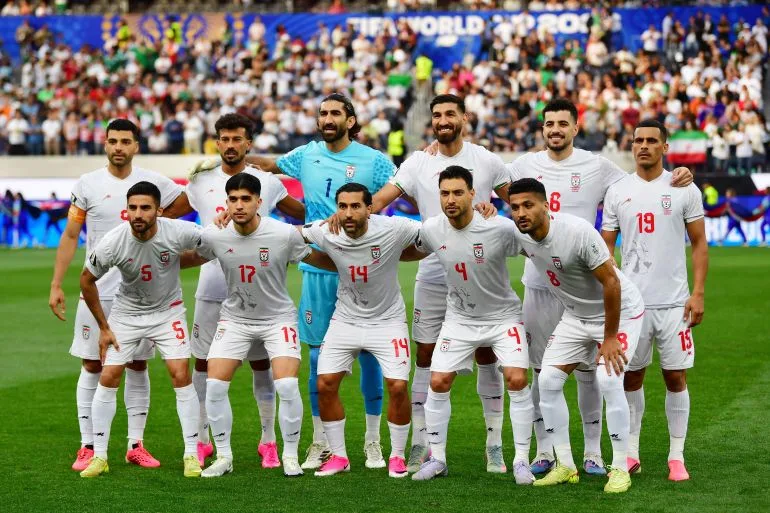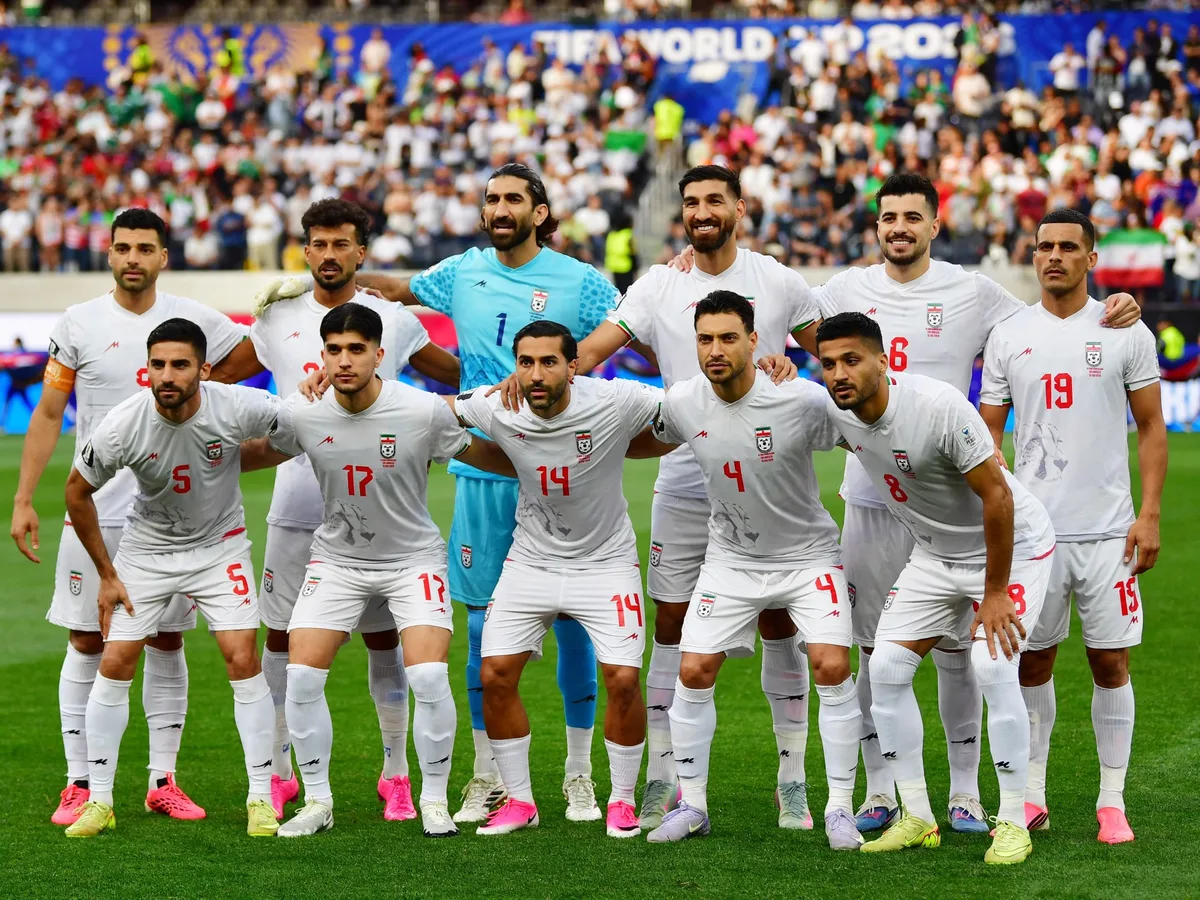
The US Department of Homeland Security (DHS) announced on June 23 that Iran’s World Cup football team could enter the United States two days before their match against Egypt on June 26, 2026, in Seattle [1, 2, 3, 4, 5, 6, 7]. Previously, Iran was only allowed to arrive 24 hours before matches and had to leave immediately after playing, affecting their preparation and recovery [1, 2, 3, 4, 5, 6, 8, 7, 9, 10].
For the upcoming game, the Iranian team will arrive on June 24 and must depart the US the same day the match concludes [1, 2, 3, 4, 5, 6, 8, 7, 9, 10]. DHS said the decision balances security needs while allowing more preparation time. A spokesperson said, “For the Iranian team’s third match in Seattle on June 26, the team has been permitted to come into the US two days before the match. They’ll be asked to leave the day that the match wraps up” [1]. Another DHS official said, “The overall security measures and protocol are the same. We remain committed to providing the safest tournament possible for players, staff, and fans alike” [2].
Iran’s base camp was shifted from Arizona to Tijuana, Mexico, due to US visa denials for several federation officials and support staff [5, 8, 7, 10]. The squad departed Tijuana on June 24 to enter the US for the Seattle match, traveling roughly 1,930 kilometers [11]. White House World Cup task force director Andrew Giuliani said, “I think that the United States has been more than fair. We’ve gotten visas for all 31 of the players, gotten visas for every coach, so that way there can be competitive balance” [8].
Iranian coach Amir Ghalenoei criticized the restrictions, calling his team the “most oppressed” at the World Cup. He added, “This kind of behaviour will negatively impact the spirit of football. Whether we win, whether we lose, this is a difficult feeling” [1, 2]. Iran currently has two points from two group matches and can secure a knockout stage spot with a win over Egypt [1, 4].
US officials said the restrictions stem from security concerns, aiming to protect stadiums, training sites, and camps [1, 2, 6, 7, 10]. However, some US sources claimed Iran attempted to bring an individual tied to the Islamic Revolutionary Guard Corps onto the team flight, an allegation Iran denies [8, 11].
The Iranian Football Federation announced plans to file a formal complaint with FIFA regarding the travel restrictions [1, 7, 9, 10]. The team's strict travel limits remain in place, requiring immediate departure after matches, unlike other teams [2, 3, 4, 6, 10].
Iran will play Egypt in Seattle on June 26, seeking a crucial win to advance. The team must leave US soil the same day after the match ends [1, 2, 5, 8].