The 2026 FIFA World Cup began today, June 11, across the United States, Canada, and Mexico amid widespread US travel restrictions affecting participants and fans [1]. Over 25% of the teams competing face US entry limits that complicate travel and attendance [2].
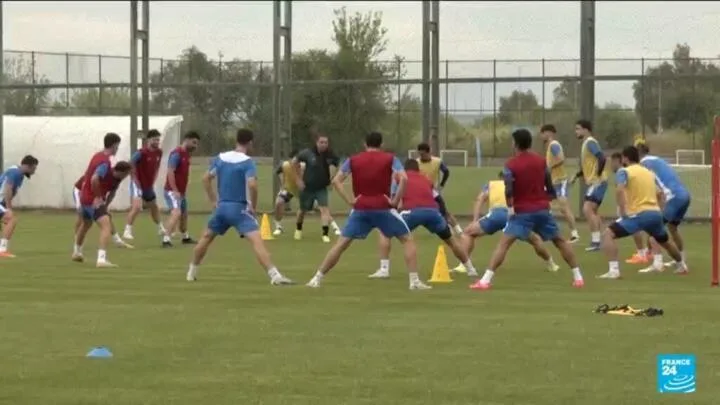
Thirty-nine countries face full or partial US travel bans that affect the tournament, including four participant nations: Haiti, Iran, Senegal, and Côte d’Ivoire [1]. Iran received visas permitting entry only on match days, with a requirement to leave the US immediately after each game [1]. Due to these restrictions, Iran relocated its original training camp from Tucson, Arizona, to Tijuana, Mexico [1].
Thousands of fans risk missing matches as US travel bans, visa denials, and immigration enforcement create barriers to attendance [3]. Amnesty International warned on June 8 that many supporters face exclusion from the event, urging US authorities to permit fans, journalists, players, and visitors to attend without discrimination or fear [3]. The group said, "Instead of cheering from the stands, many are facing travel bans, visa denials, and threats of aggressive immigration enforcement from the US. The World Cup belongs to us all. There is no World Cup without the world." [3]
Human rights advocates argue that current US policies contradict the tournament’s spirit of unity and inclusivity [1, 3]. The restrictions affect not only players but also the global fan base eager to experience the matches live.
The tournament will continue through July 19, with ongoing concerns about travel access and fair treatment for affected teams and supporters as matches proceed across North America [1].