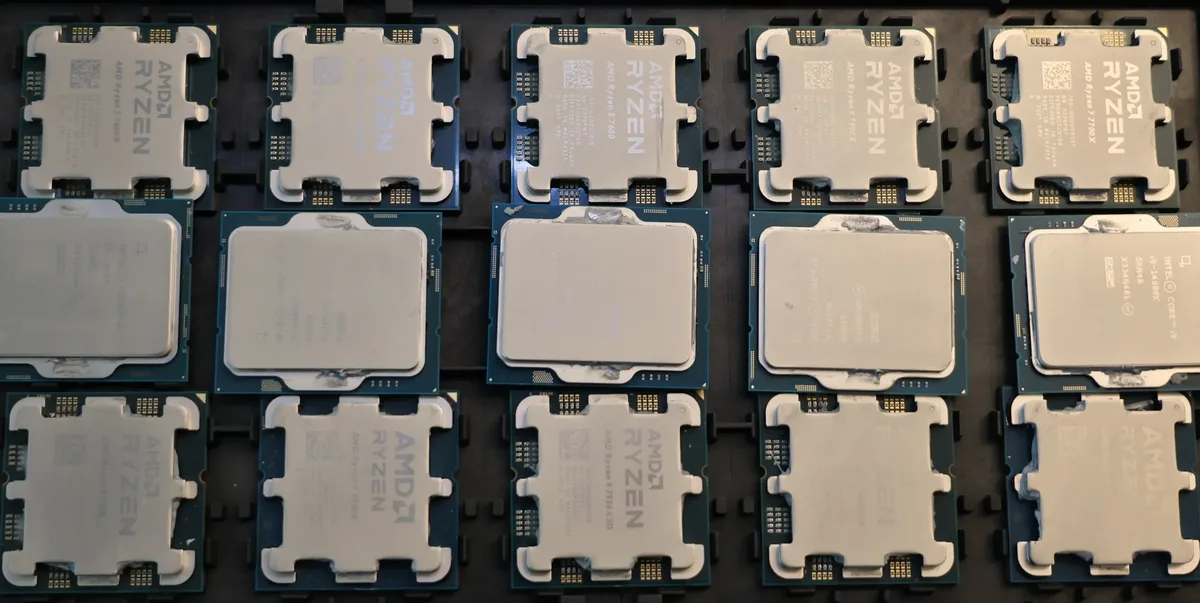
AMD released a Linux kernel patch on May 12, 2026, addressing improper isolation of shared resources in the Zen 2 CPU operation cache to prevent instruction corruption [1]. The fix targets a vulnerability disclosed in AMD’s security bulletin AMD-SB-7052, which detailed a CPU operation cache issue that could cause incorrect instructions to execute at elevated privilege levels on Zen 2 processors [1].
In addition to the Zen 2 kernel patch, AMD issued security bulletins covering vulnerabilities affecting Ryzen CPUs on Windows drivers and a "MilanLaunchy" disclosure of the ability to execute arbitrary unsigned bootloaders on EPYC Milan CPUs, which has been patched in newer firmware releases [1]. AMD also acknowledged recent side-channel research called TDXRay that impacts Intel TDX technology but confirmed that AMD’s own SEV-SNP security technology remains unaffected [1].
Intel released CPU microcode update version 20260512 on May 12, 2026, which fixes an information exposure vulnerability tracked as INTEL-SA-01420. This flaw affected Arrow Lake, Lunar Lake, and Panther Lake processors through shared microarchitectural predictor state in non-root virtual machines [1]. Alongside the security fix, the update includes functional improvements for Xeon Emerald Rapids, Sapphire Rapids, Sierra Forest, and Granite Rapids processors without addressing any urgent problems [1].
Both AMD and Intel’s updates were summarized in Linux security news covering Tuesday’s patches [2]. Security reports continued on subsequent days, with updates noted on Wednesday, Thursday, and Friday of the same week [3, 4, 5].