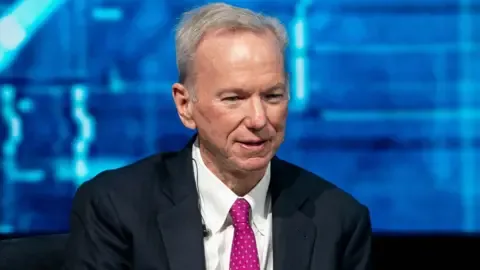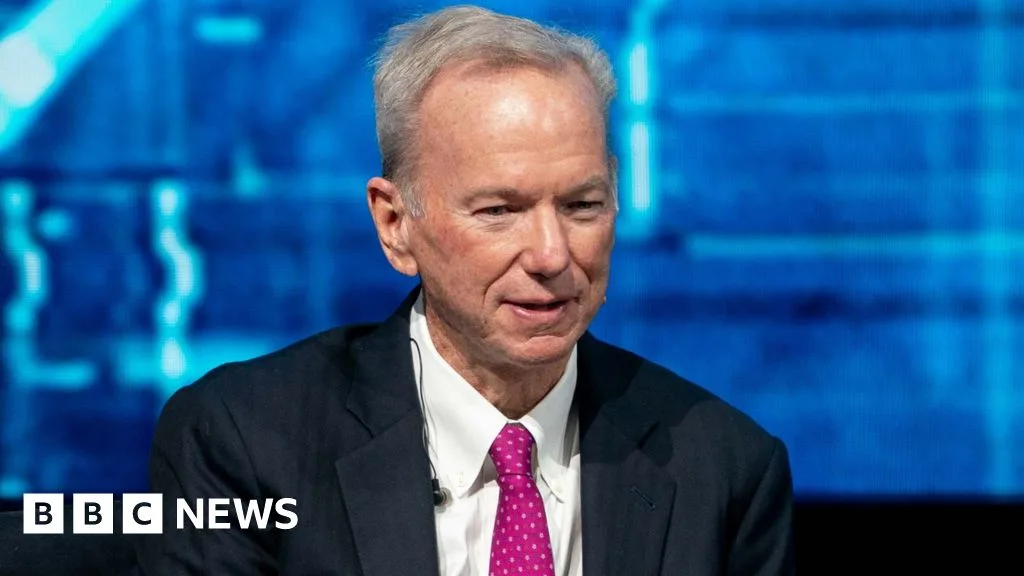
Former Google CEO Eric Schmidt delivered the keynote speech at the University of Arizona's 2026 commencement ceremony on May 18. He spoke extensively about artificial intelligence and its transformative effects on society, the economy, and the workforce, addressing an audience of approximately 10,000 graduates [1, 2, 3, 4, 5, 6].
During his remarks, Schmidt was repeatedly booed and jeered by students, especially when he discussed AI’s role in reshaping jobs and the future. Several students expressed frustration, reflecting growing unease on campus about AI’s impact. University of Arizona graduate Olivia Malone said, “His speech was incredibly disrespectful to students. We as students are discouraged from using it and penalized for using it. And then to have our speaker be the champion of AI is just like, OK? Why?” [7].
Schmidt acknowledged these concerns directly, calling the students’ fears “rational.” He told graduates, “I know what many of you are feeling about that. I can hear you. There is a fear in your generation that the future has already been written, that the machines are coming, that the jobs are evaporating, that the climate is breaking, that politics is fractured, and that you are inheriting a mess that you did not create” [2]. He urged them to engage proactively, saying, “The question is not whether AI will shape the world. It will. The question is whether you will have shaped artificial intelligence” [1].
Schmidt’s reception was not unique. Other speakers addressing AI at recent U.S. graduations were similarly booed. Real estate executive Gloria Caulfield was jeered at the University of Central Florida commencement on May 15 after calling AI “the next industrial revolution.” Music executive Scott Borchetta faced boos at Middle Tennessee State University’s graduation on May 17 for remarks on AI reshaping production, replying tersely, “Deal with it, like I said, it’s a tool” [1, 7, 8].
Polls highlight widespread anxiety about AI among young people and students. A 2025 Harvard Kennedy School poll found 70% of college students view AI as a major threat to their job prospects. Another survey found 42% of Generation Z believe AI harms wages and job opportunities [7, 8]. Meanwhile, companies continue automation-driven layoffs, with Standard Chartered cutting over 7,000 jobs and Amazon shedding about 30,000 roles citing AI-related restructuring [9, 6].
At Glendale Community College on the same day as Schmidt’s speech, an AI-powered system used to read graduates’ names malfunctioned, skipping several and drawing boos from attendees. College President Tiffany Hernandez explained, “Here’s what’s happening. We’re using a new AI system as our reader...” and apologized for the disruption [10].
The University of Arizona commencement proceedings and other recent graduations reflect rising tensions over AI’s social effects as young people confront uncertain job markets and rapid technological change.