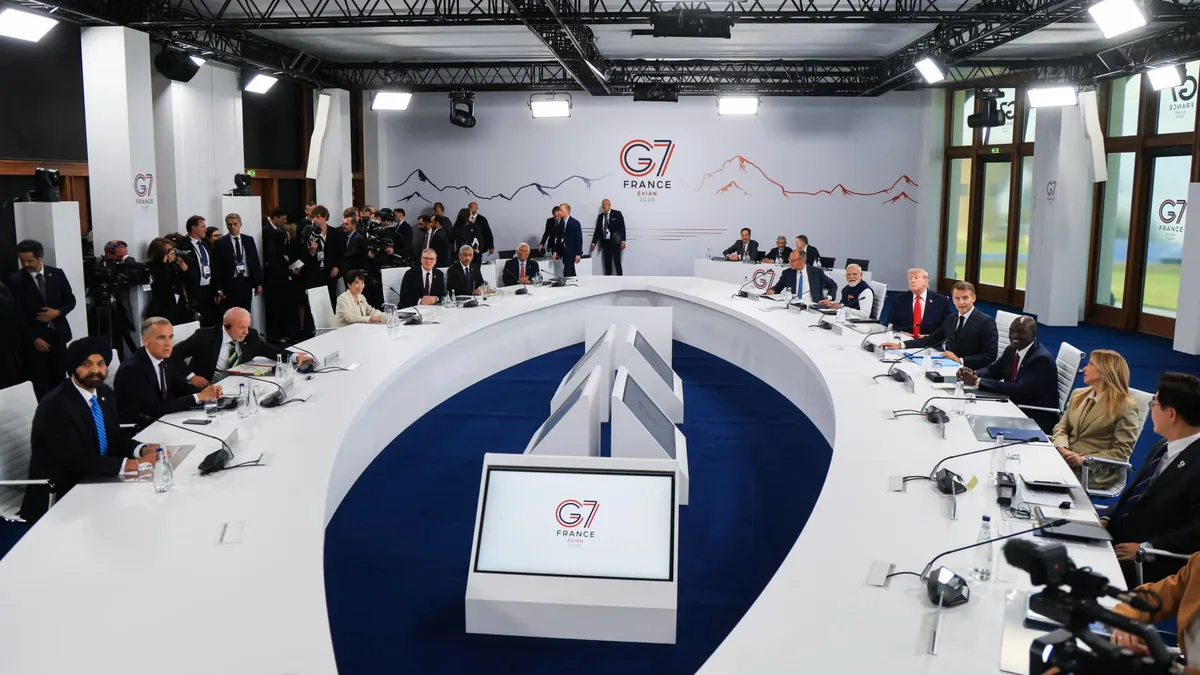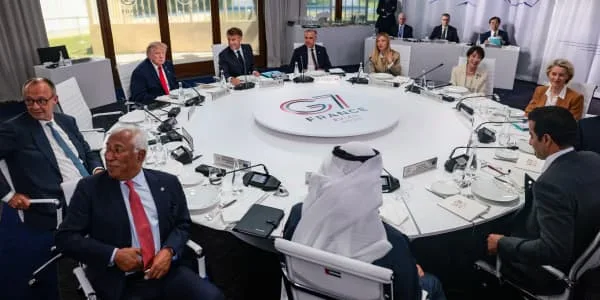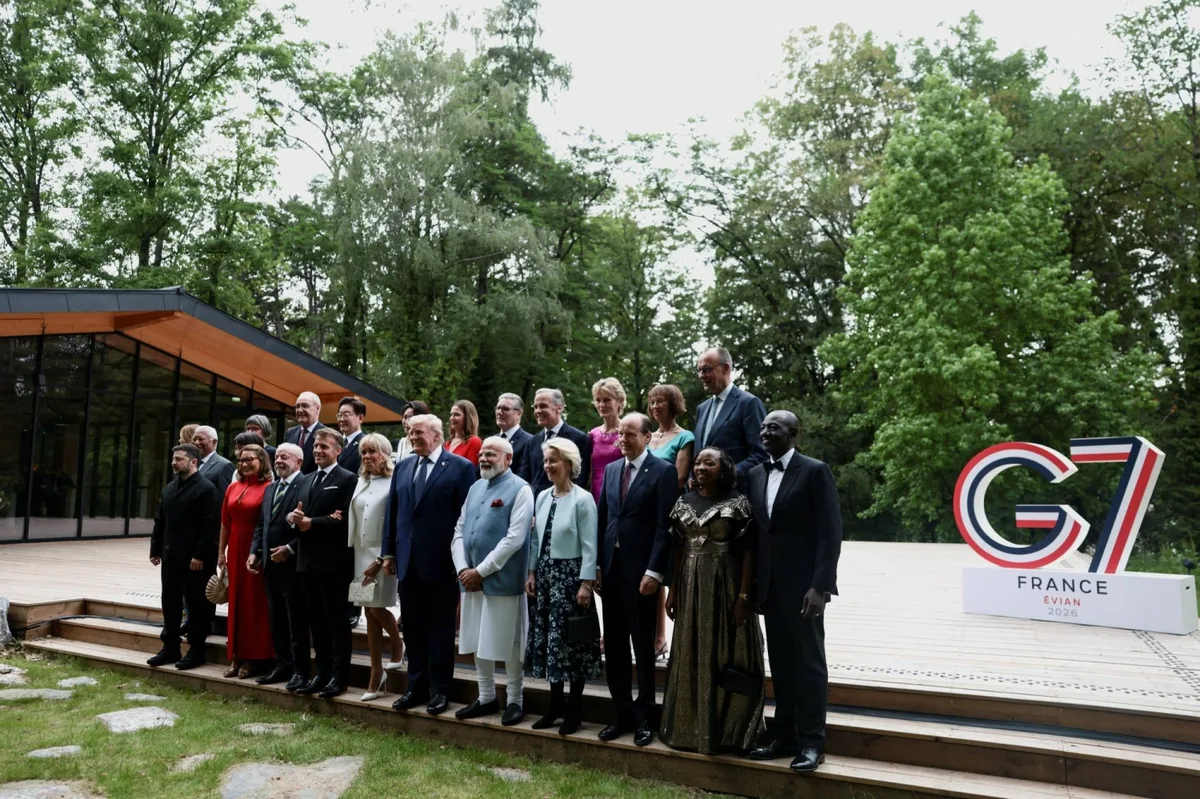
G7 leaders held talks on June 15, 2026, about giving select trusted partners access to advanced AI models developed by U.S. companies, including Anthropic, at the summit in Evian-les-Bains, France [1, 2]. Discussions centered on controlled access after Anthropic disabled access to its most advanced models, Fable 5 and Mythos 5, on June 12, following a U.S. government order aimed at safeguarding national security [1].
The U.S. President Donald Trump directed Anthropic to block foreign nationals from using these advanced models due to concerns about potential misuse [1, 2]. Before the restrictions, Anthropic had provided access to its Mythos model—which can detect code flaws and could be exploited in cyberattacks—to organizations across more than 15 countries in sectors like healthcare, communications, power, and water [1].
Representatives from G7 countries, US Commerce Secretary Howard Lutnick, and CEOs from leading AI firms such as Anthropic, OpenAI, MistralAI, as well as representatives from Meta and Google DeepMind, participated in the summit discussions [2]. Trusted partners envisioned for broader AI access include both countries and companies deemed eligible to enhance cybersecurity defenses, particularly against challenges posed by rivals like China [1].
European officials expressed concern about U.S. export controls restricting foreign access to these AI models. Henna Virkkunen, European Commission's technology chief, called on Washington to recognize Europe as a "trusted partner" and cautioned against discriminatory policies on AI access [2]. A White House official emphasized "an open line of communication with our allies" and commitment to addressing the national security issues posed by Anthropic's technology [1].
The G7 summit scheduled additional AI-focused sessions on June 17, featuring CEOs from at least 13 major AI providers to discuss regulation and technology infrastructure collaboration [1, 2].