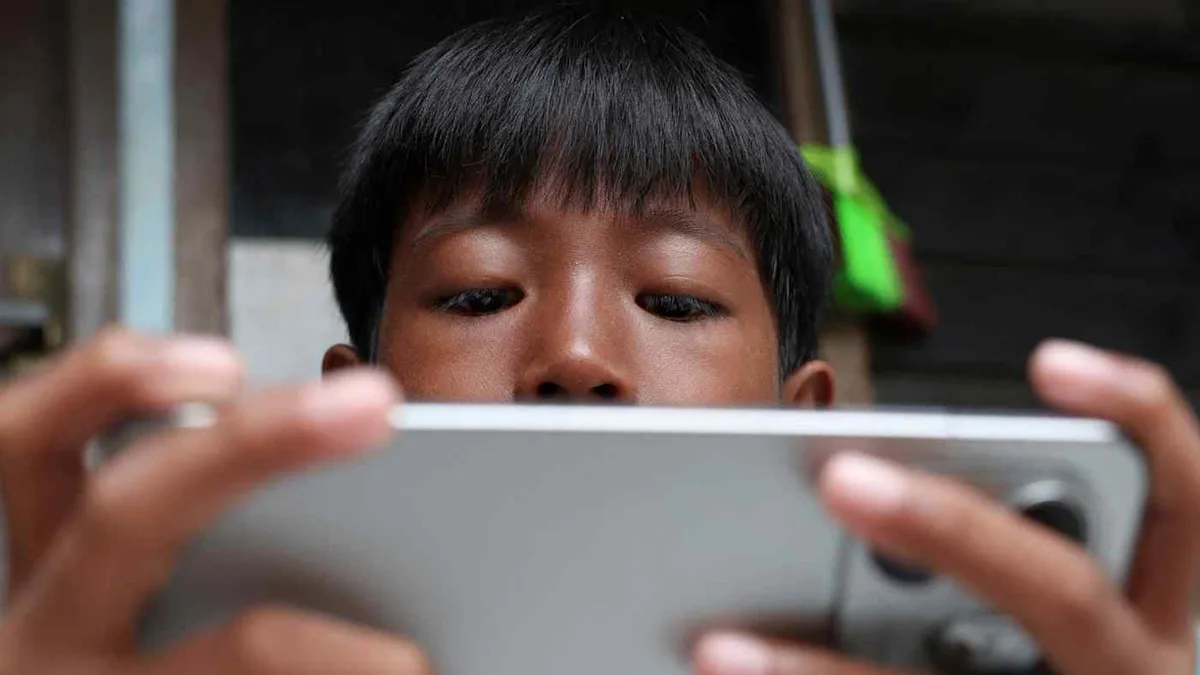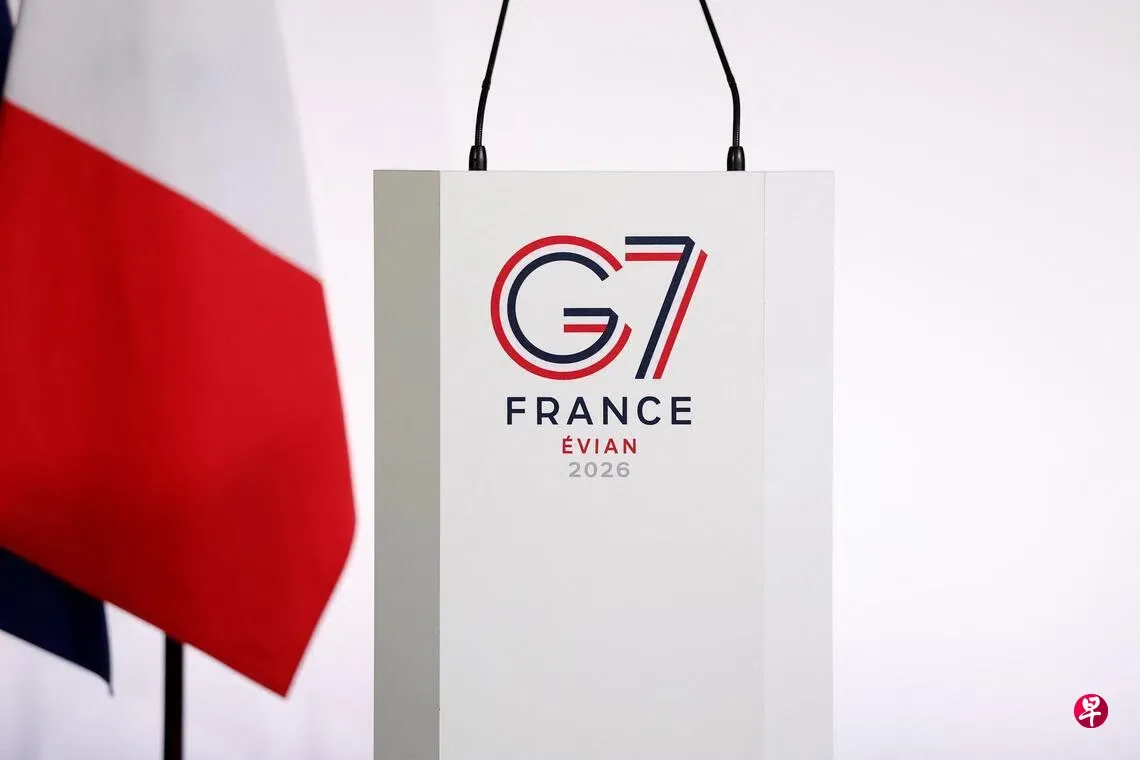
The Group of Seven (G7) countries will issue their first joint statement on protecting minors online at the summit in Evian, France, held in June 2026 [1, 2]. The statement will focus on shielding children from social media addiction and the misuse of artificial intelligence to create sexually explicit images [1, 2]. It also calls for safety measures on video-sharing apps and social networks, including settings to block age-inappropriate content [2].
While the G7 will set broad principles, specific age limits and implementation details will be decided independently by each member country [2]. The G7 digital ministers reached agreement in May 2026 on seven principles aimed at protecting youth, which include strict age verification, combating sexual abuse content, and providing parental control options [2].
Currently, no G7 country enforces a nationwide mandatory minimum age for social media use, though some have partial rules. For example, France requires parental consent for minors under 15 who wish to use social media, a law passed in 2023 [2]. Japan’s Ministry of Internal Affairs is drafting a report calling for stricter age verification and may introduce relevant laws within 2026 [2].
French President Emmanuel Macron described the issue as "十分紧迫," underscoring urgent concerns about the risks to minors online [2]. Governments worldwide are increasingly worried about the addictive nature of social media and its impact on young users [1, 2].
Alongside the online protection statement, the G7 summit in Evian will release documents on critical mineral supply chains, international balance of payments, and support for developing countries [2]. The joint statement on minors sets a concrete framework that member nations will adapt to protect youth from emerging digital threats.