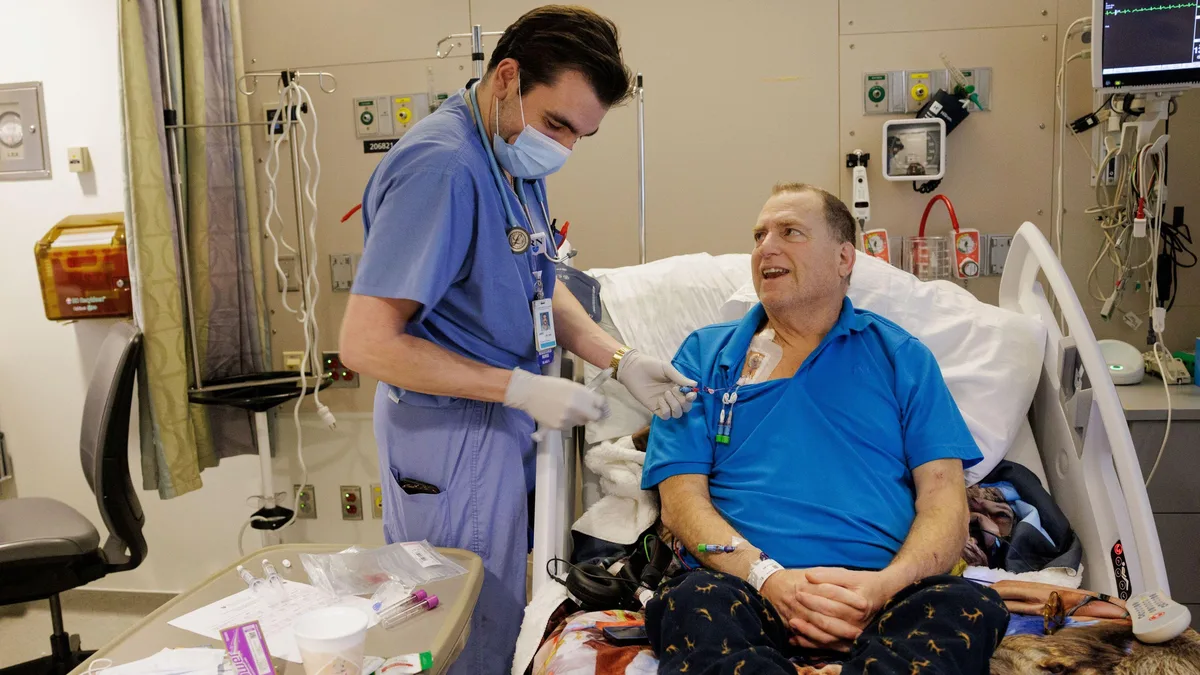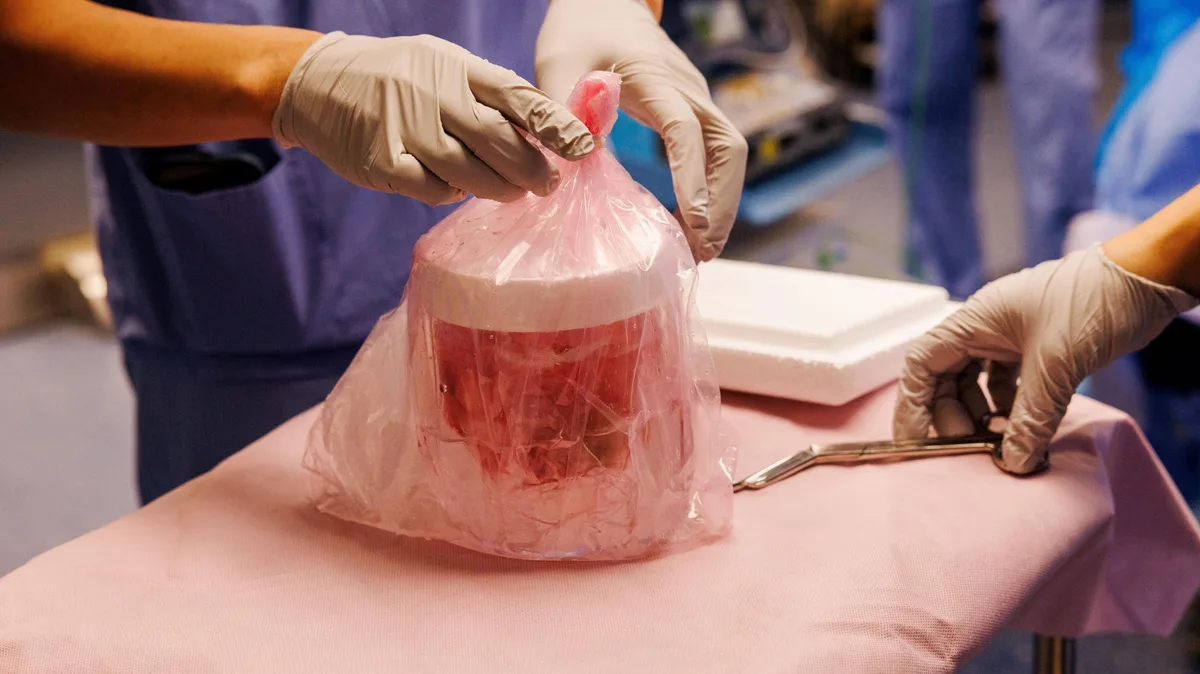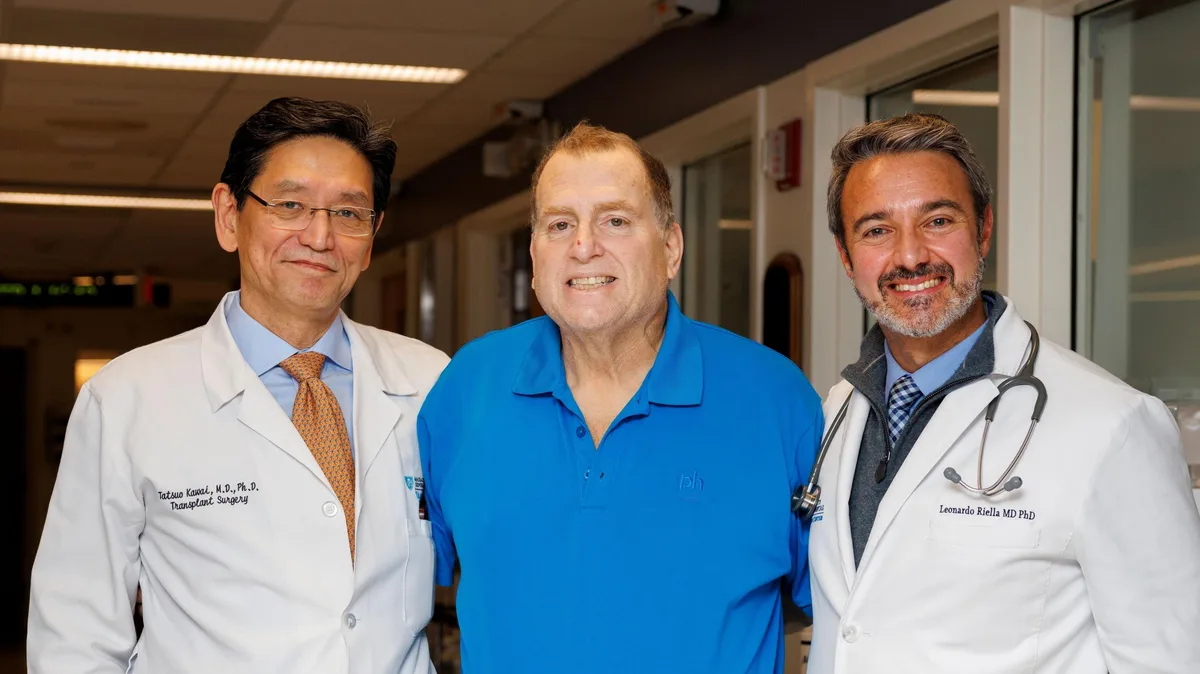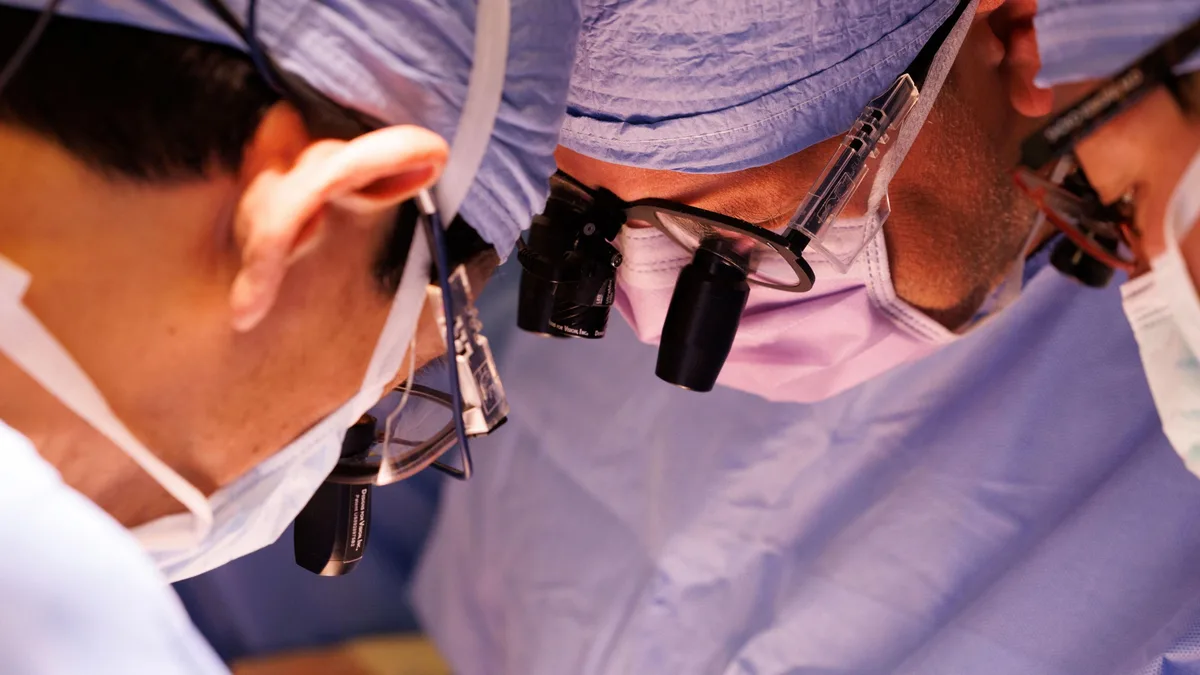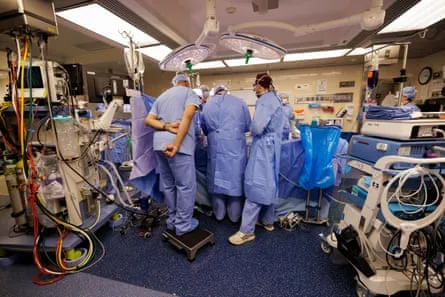
Tim Andrews, a 66-year-old man with end-stage kidney disease from type 2 diabetes, received a transplant of a genetically modified pig kidney on January 25, 2025, in the US [1, 2, 3]. The kidney came from a Yucatan miniature pig named Wilma and was altered with 69 genomic edits designed to humanize the organ and prevent rejection or virus transmission [1, 2].
The pig kidney worked immediately after transplantation and functioned effectively for a record 271 to 285 days before beginning to fail [1, 2, 3]. During this period, Andrews avoided dialysis and used the organ as a temporary "bridge" until a human donor kidney became available [1, 2, 3]. Andrews reflected on his experience, saying, "Hope is the biggest thing, the chance to be free from the [dialysis] machine and live your life," and added, "I was alive, and I hadn’t been in a long time" [1, 2].
When the pig kidney started to fail in October 2025, Andrews returned to dialysis briefly before receiving a human donor kidney in January 2026 [2, 3]. Mike Curtis, CEO of eGenesis, the company involved in developing the organs, said, "What we saw with Mr. Andrews was a radical improvement in his overall health while he was on the pig kidney versus if he had stayed on chronic dialysis" [3].
Pig kidneys have gained attention as a promising solution to the worldwide shortage of human donor organs for transplantation due to their similar size, function, and the ability to be genetically engineered to reduce rejection by the human immune system [1, 2, 3]. This case marks the first documented instance of a pig kidney functioning successfully as a bridge to a human transplant [2]. Andrews had only a 9% chance of receiving a human kidney within five years, underscoring the potential impact of xenotransplantation [2].
Previously, the longest survival of a pig kidney in a living human was 52 days, making Andrews's 271-day transplant an order of magnitude longer [2]. As of September 3, 2026, a different patient, a woman, has surpassed Andrews's record with a pig kidney functioning for 285 days [3]. That patient received her transplant in November 2024 at Massachusetts General Hospital, indicating rapid progress in pig-to-human transplantation research [3].