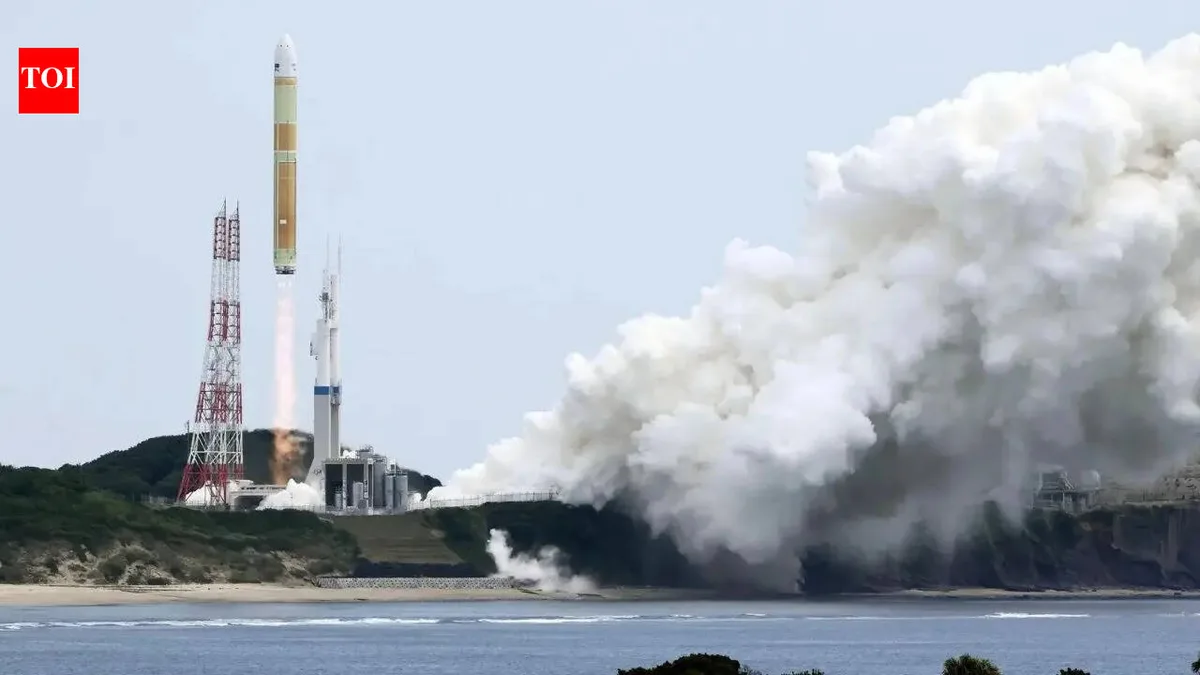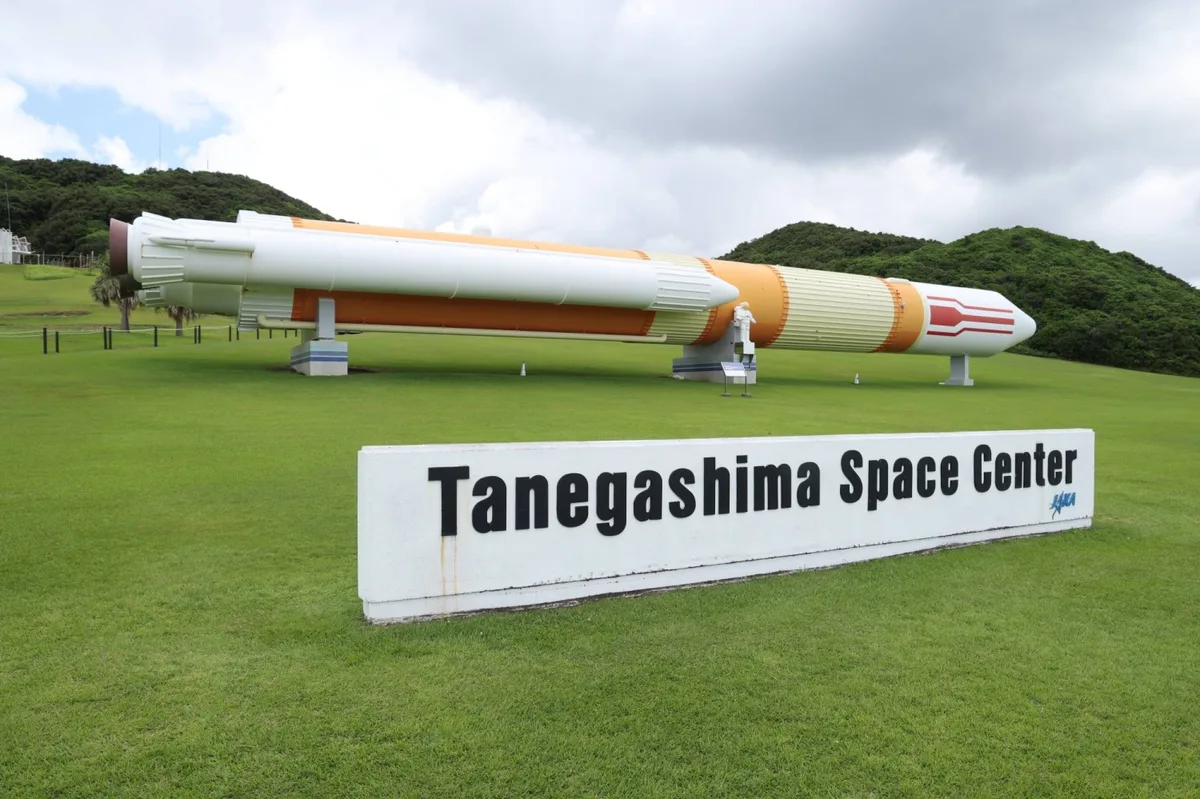
Japan launched the H3 Launch Vehicle No. 6 from Tanegashima Space Center at 9:53 a.m. local time on June 12, 2026, marking the first flight of the rocket’s low-cost '30 configuration' variant [1, 2, 3]. The rocket reached its target orbit about 16 minutes after liftoff [1, 3].
The '30 configuration' uses three first-stage liquid-fueled LE-9 engines and eliminates the solid rocket boosters found on other variants. It aims to be the lowest-cost model in the H3 series to boost Japan's competitiveness in the global space launch market [1, 2, 3].
The H3 carried six small satellites developed by universities and organizations that were believed to have successfully separated [2].
This launch resumes H3 flights after about six months of grounding following a failed mission in December 2025. That failure was caused by a second-stage engine malfunction that prevented payloads from reaching planned orbits [1, 2, 3]. Prior to this flight, the H3 series has experienced two failures, including an ignition failure on its debut flight in March 2023 [2].
The rocket was developed by JAXA and Mitsubishi Heavy Industries to replace the H-IIA and provide more affordable and flexible space access [2, 3]. JAXA and Mitsubishi aim to conduct six to eight H3 launches annually [2].
The next launches are expected to follow the successful flight, as the program works to steadily increase its annual launch rate.