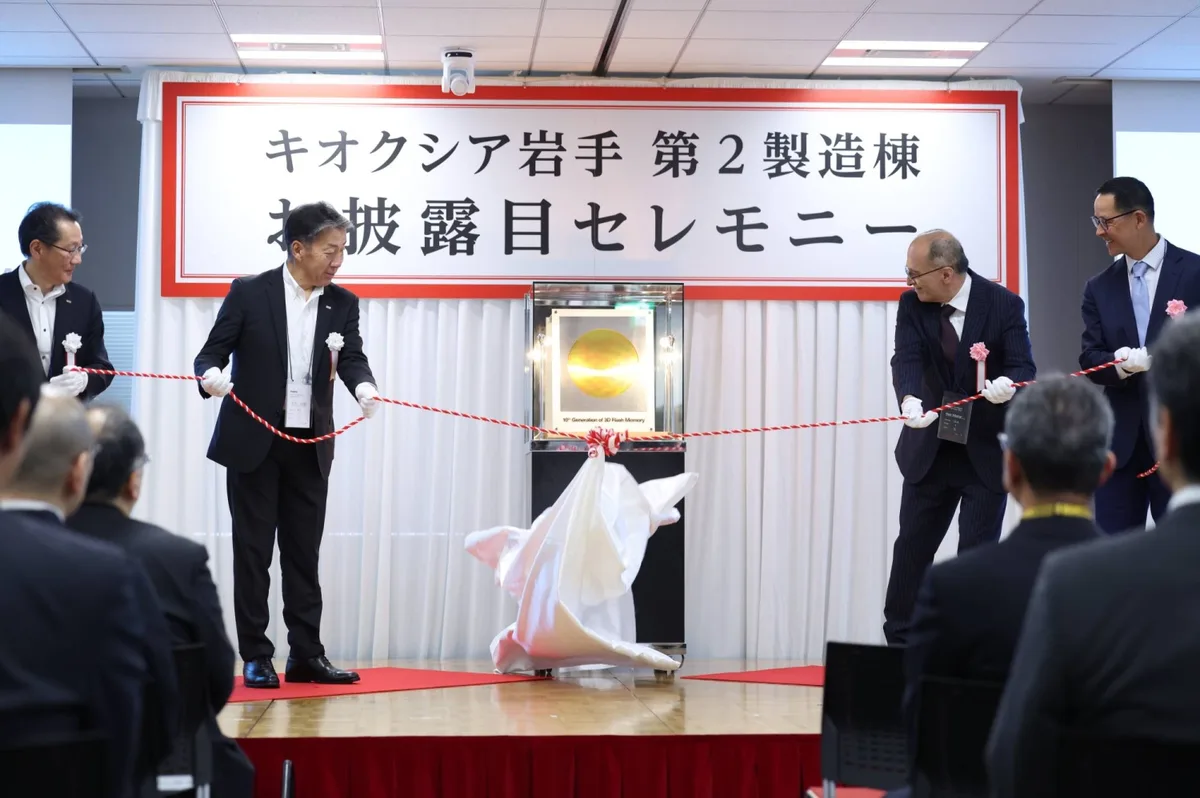
Kioxia started shipping samples of its 10th-generation high-density 3D NAND flash memory chips, developed in partnership with Sandisk, on July 3, 2026, from its Kitakami plant in Japan’s Iwate Prefecture [1, 2]. The new 332-layer chips store 59% more data than the previous 8th-generation models, marking a major leap in storage capacity for NAND flash memory [3].
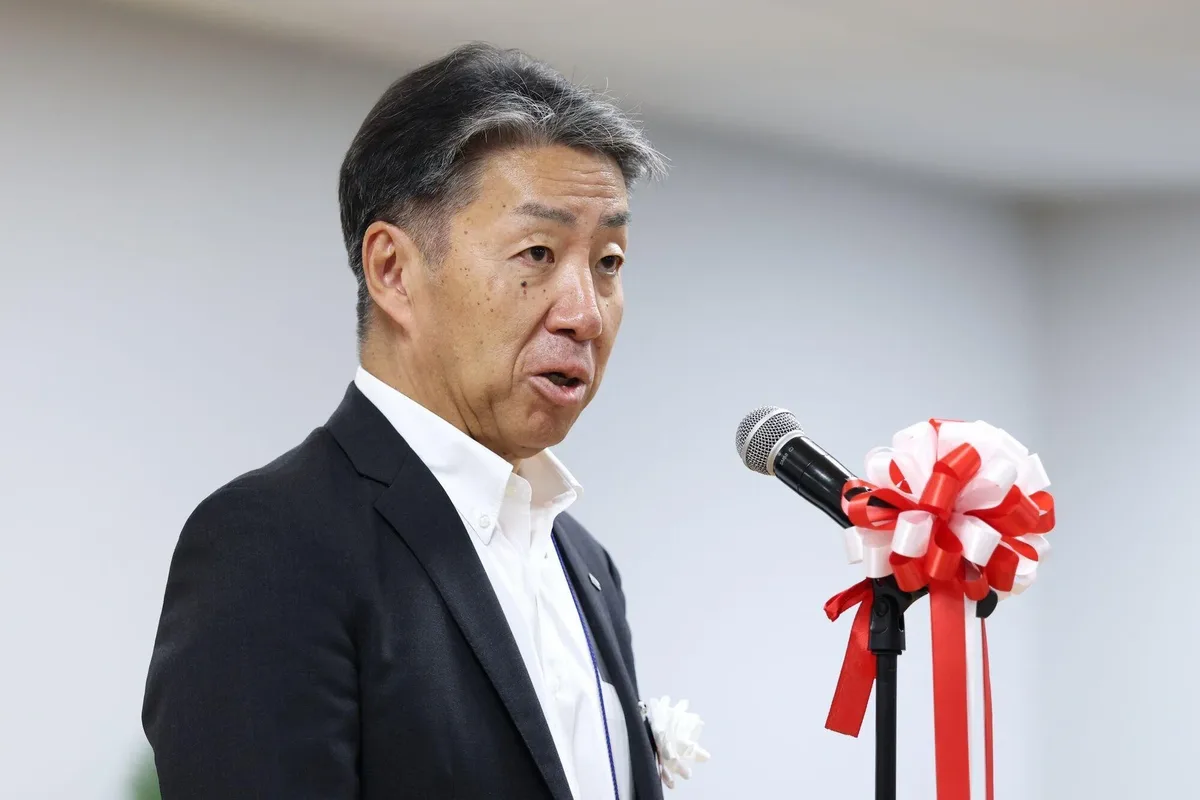
Production is focused at Kioxia’s second manufacturing facility (Fab2) at the Kitakami plant, which began operations in September 2025. The facility features state-of-the-art equipment to meet rapidly growing market demand. "We will expand production at Fab2, which is furnished with state-of-the-art equipment, to fully meet growing market demand," said Hiroo Ota, Kioxia CEO [1]. He added, "We will firmly respond to the market’s growth" [3].
Kioxia, formerly Toshiba Memory, was acquired in 2018 by a Bain Capital-led consortium for about 2 trillion yen (US$12–12.4 billion) [1, 2]. Since the start of 2026, its share price has surged approximately 680%, driving its market capitalization over US$250 billion—surpassing that of Toyota Motor [1, 2, 3].
While chipmakers traditionally focused on DRAM benefiting from AI, strong AI use for inference has increased demand for high-capacity NAND memory where Kioxia leads. Previously, DRAM chipmakers such as SK Hynix neglected NAND development, resulting in limited supply outside Kioxia. Consultant Satoru Oyama noted, "They haven’t been able to respond to the current NAND boom at all. That is why demand is now concentrated on Kioxia alone" [1].
Kioxia holds about 10% of the NAND flash market for AI data centers, behind South Korean firms Samsung Electronics with 40% and SK Hynix with 30% [3]. However, Kioxia’s chips offer "highly superior" data processing speed, a critical advantage for U.S. hyperscale data centers, according to analyst Akira Minamikawa [3].
The Kitakami fab also symbolizes U.S.-Japan technological partnership. Sandisk CTO Alper Ilkbahar said, "The fab is a symbol of the technology partnership between the US and Japan" [2].
Looking ahead, Kioxia plans to expand production capacity at Fab2 and aims to list American depositary shares on a U.S. exchange early in the next financial year [1].