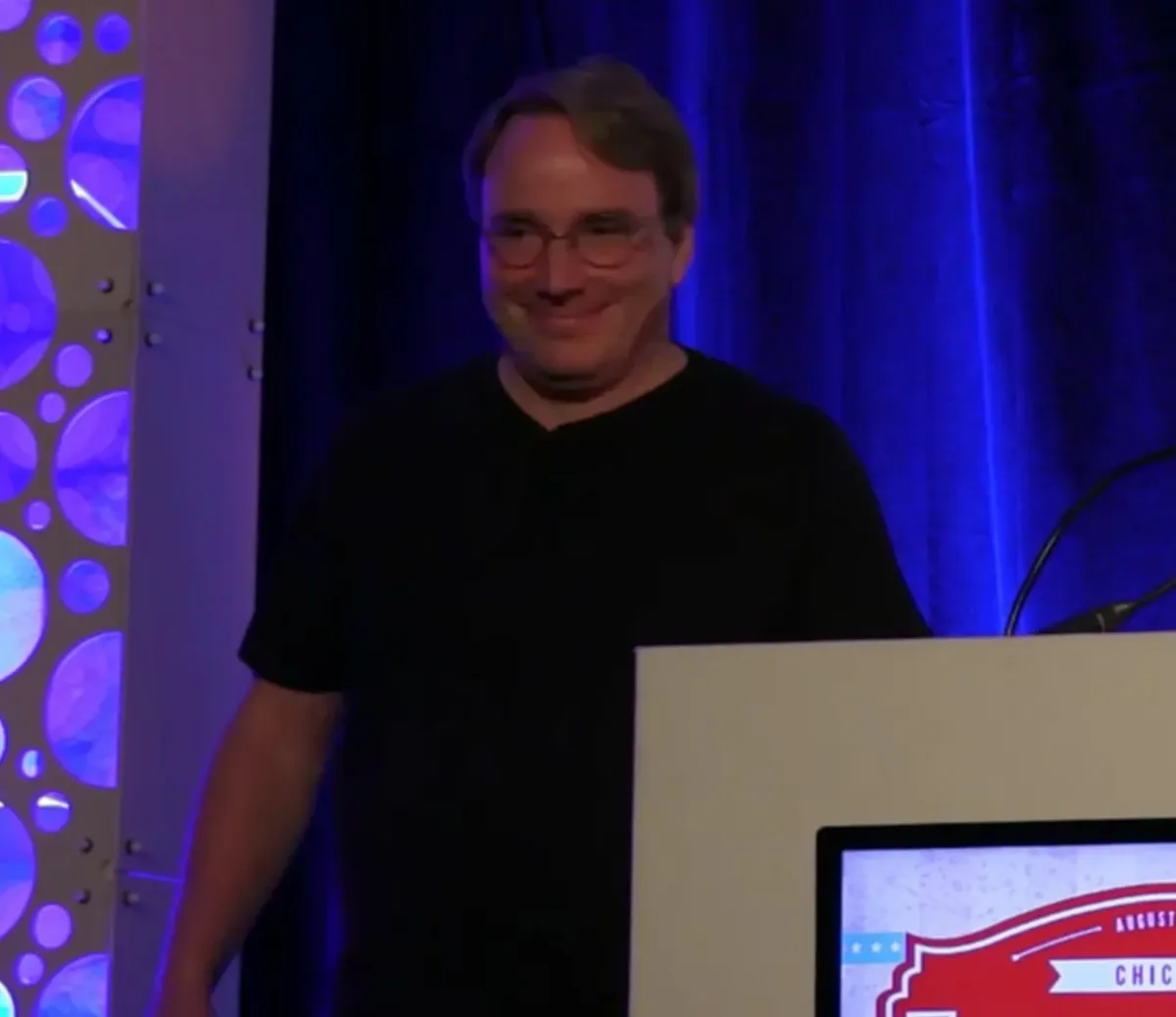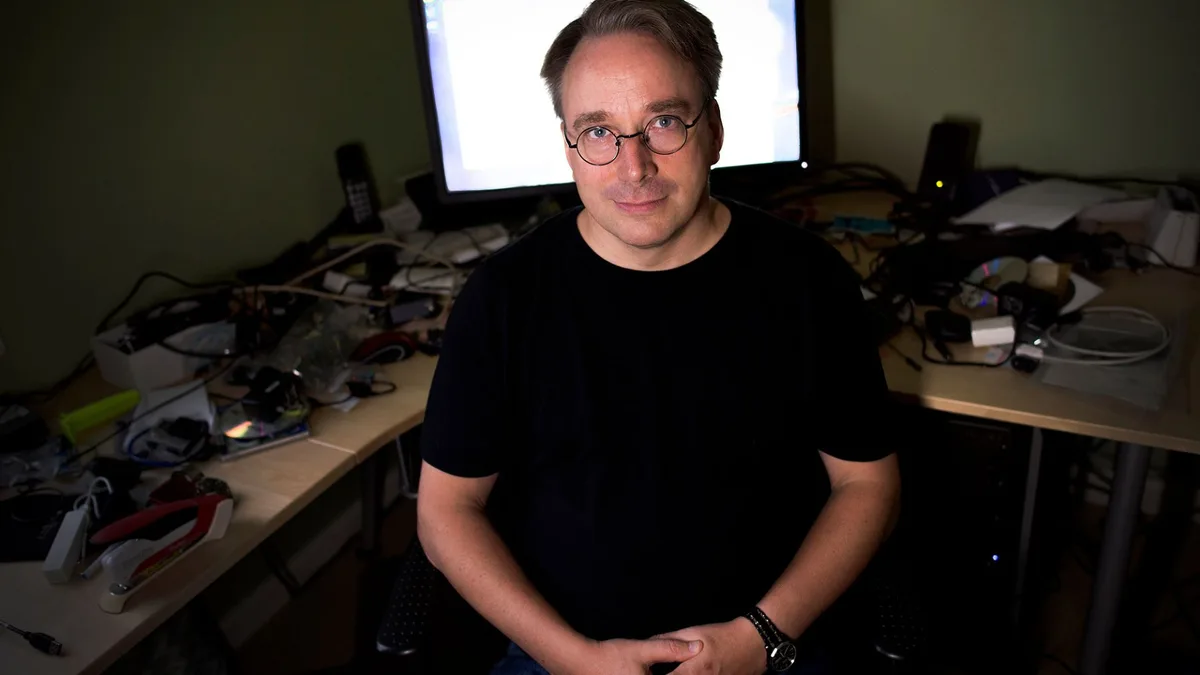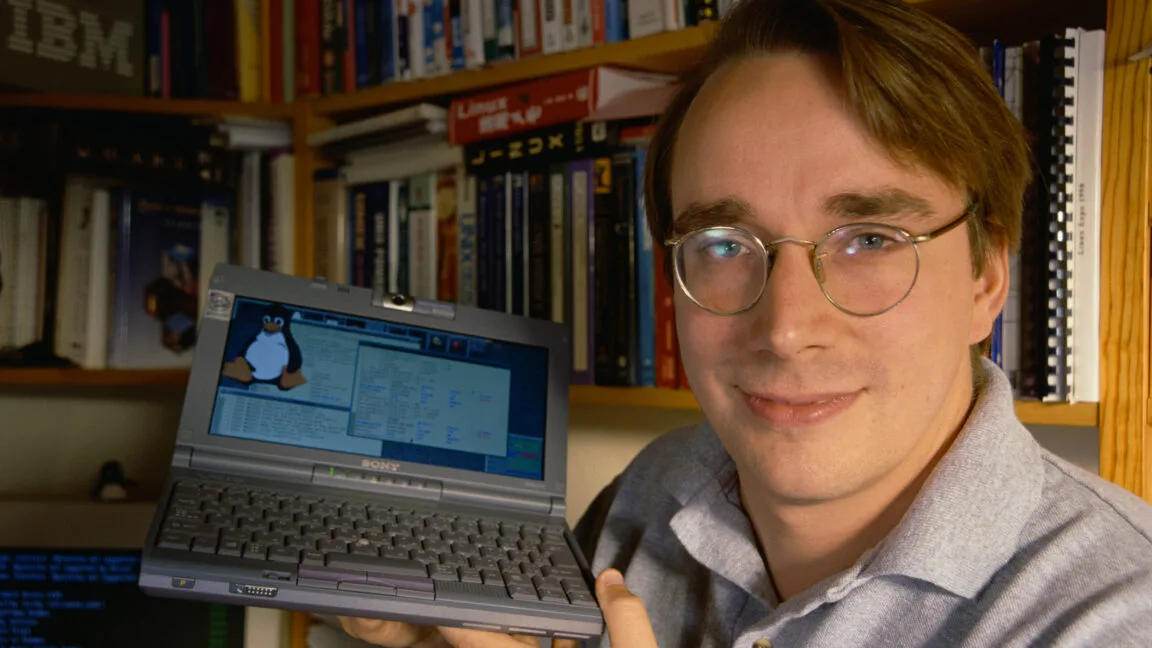
Linus Torvalds posted a strong message on the Linux kernel mailing list in July 2026 affirming that Linux fully supports the use of AI tools in kernel development and is not an anti-AI project [1, 2, 3]. He said, "Linux is not one of those anti-AI projects, and if somebody has issues with that, they can do the open-source thing and fork it. Or just walk away," making clear critics should either accept AI integration or leave [2].
Torvalds framed AI as a tool comparable to others used in development: "AI is a tool, just like other tools we use. And it's clearly a useful one," he said [1]. He stated he will "very loudly ignore people who try to argue against other people from using it," rejecting demands to restrict AI usage [3].
While acknowledging AI is imperfect and can create extra work for maintainers due to false positives and bug report noise, Torvalds countered that natural human intelligence is far from flawless. "Any body who points to the problems at AI had better be looking in the mirror and pointing at themselves at the same time," he said [4].
This stance contradicts calls from the Software Freedom Conservancy, which recommended supporting contributors who refuse to accept AI-generated code. Torvalds rejected accommodating such positions, underscoring that Linux will not exclude or favor contributors based on AI use [2, 5].
One AI tool stirring debate is Sashiko, a Linux kernel code review assistant claimed to detect 53.6% of the bugs fixed by humans, but with an estimated false positive rate near 20% [2, 4, 5]. The volume of AI-generated bug reports has caused frustration, as Torvalds noted in May 2026 when warning about AI flooding security lists with false alarms [4].
Torvalds’ view has shifted over the past year from skepticism to open support for cautious AI use in Linux development [1, 3, 4]. Meanwhile, research from the METR project shows mixed results on AI’s impact on developer productivity. A 2025 study found AI users reported feeling 20% more productive but actually showed a 19% productivity decline. A 2026 update suggested AI tools might speed up work, illustrating ongoing uncertainty [5].
There are broader concerns about AI coding tools, such as risks of prompt injection attacks and ongoing copyright lawsuits over training data involving artists’ works [5].
Torvalds’ latest statements close a recent chapter of debate by reaffirming Linux’s acceptance of AI tools and signaling no tolerance for factions seeking to bar AI use. The Linux community will watch closely for further developments as AI tools evolve within kernel development.