Binaural Studio, a browser-based audio tool for creating headphone sessions with binaural tones and spoken-word audio, was released as a local-first app requiring no backend or user account [1]. A fan project for Plants vs. Zombies Game of the Year Edition decompiled and modernized the game, adding cross-platform support, new rendering and sound systems, and modding features [2].
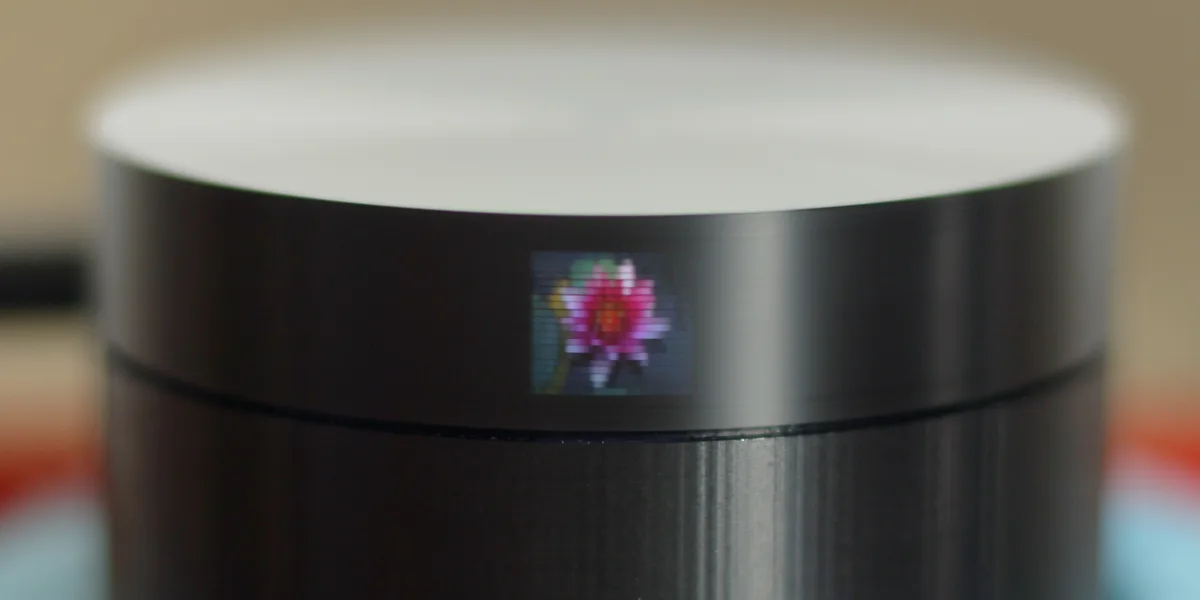
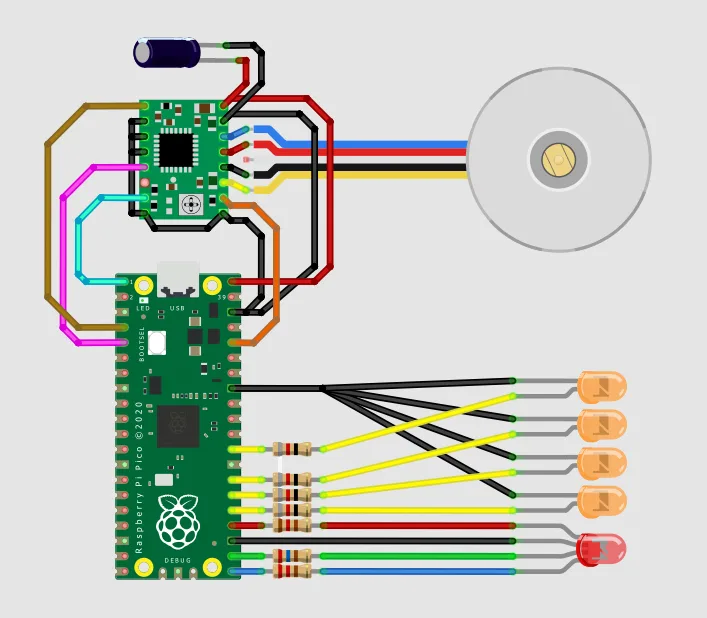
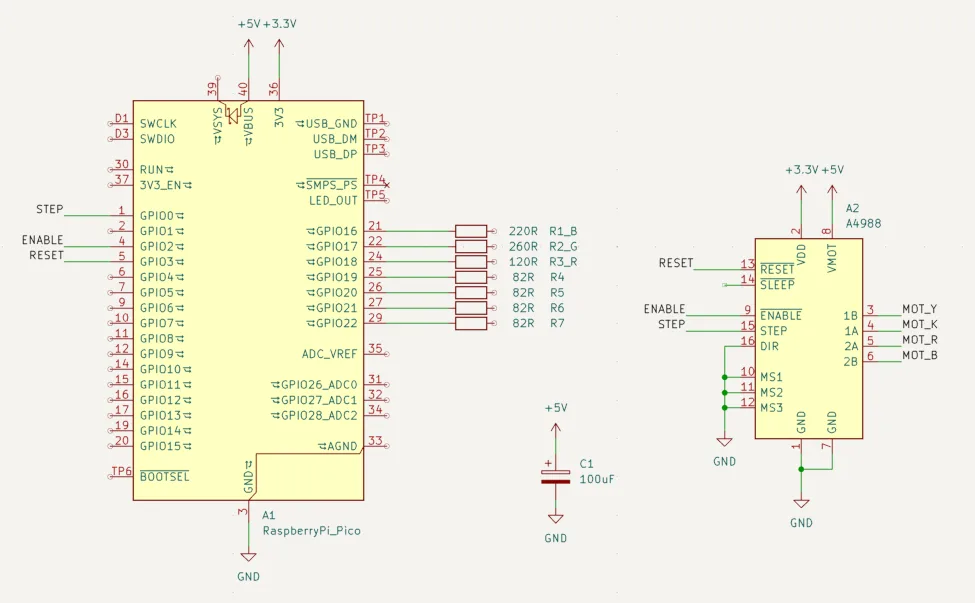
Scanwheel debuted as a DIY mechanical television project using a Raspberry Pi Pico, a stepper motor, LEDs, and custom 3D-printed parts to display images [3]. An advanced language model with 28.9 million parameters now runs fully on an $8 ESP32-S3 microcontroller by employing a novel Per-Layer Embeddings method for flash storage—far exceeding previous chip-based models limited to 260,000 parameters [4].
The 50 Years Phone project launched an open-source tool designed to extend the life of older Android phones by monitoring battery, storage, thermal, and RAM health while clearing caches automatically without requiring root access or hardware modifications [5]. CheapSecurity appeared as a self-hosted lightweight CCTV software for Linux single-board computers and USB webcams, storing footage locally and featuring motion detection with Telegram alert integration [6].
ctrlb-decompose premiered as a command-line and browser tool that compresses massive raw log line volumes into actionable anomaly-detecting patterns. One example reduced more than 1.2 million log lines to just 43 patterns, a 99.9% compression rate, all while using minimal memory [7].
Coding Tools MCP is a new runtime environment supporting file and patch operations and command execution, integrated with AI tools like Claude Desktop for safely managing codebases through flexible permission modes [8]. TripNest, a collaborative group travel planner web app, launched with role-based permissions, chat, itinerary management, flight info, and packing lists. It is built with React, TypeScript, Tailwind, and Supabase and has undergone security testing to fix major authorization bugs [9].
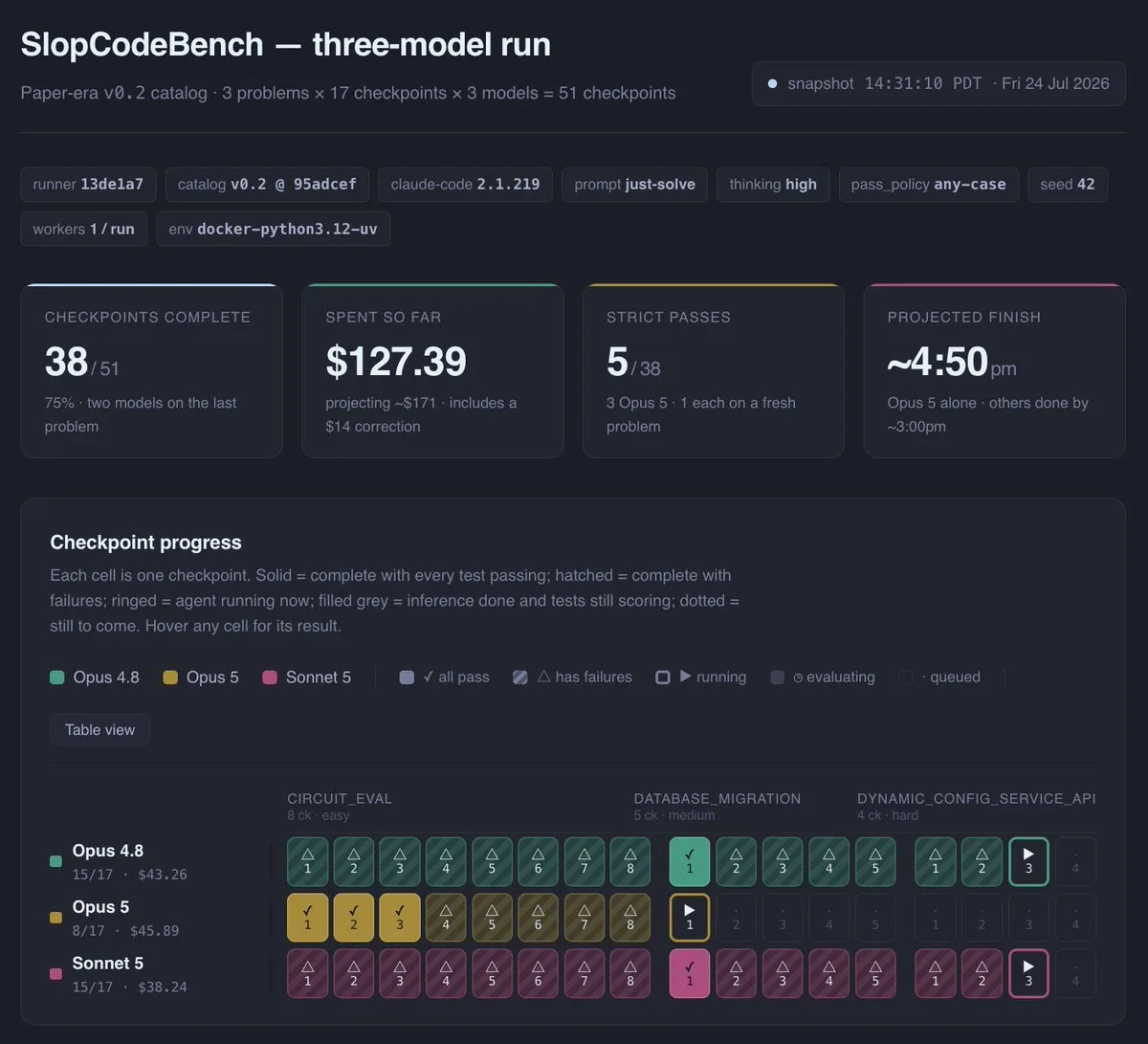
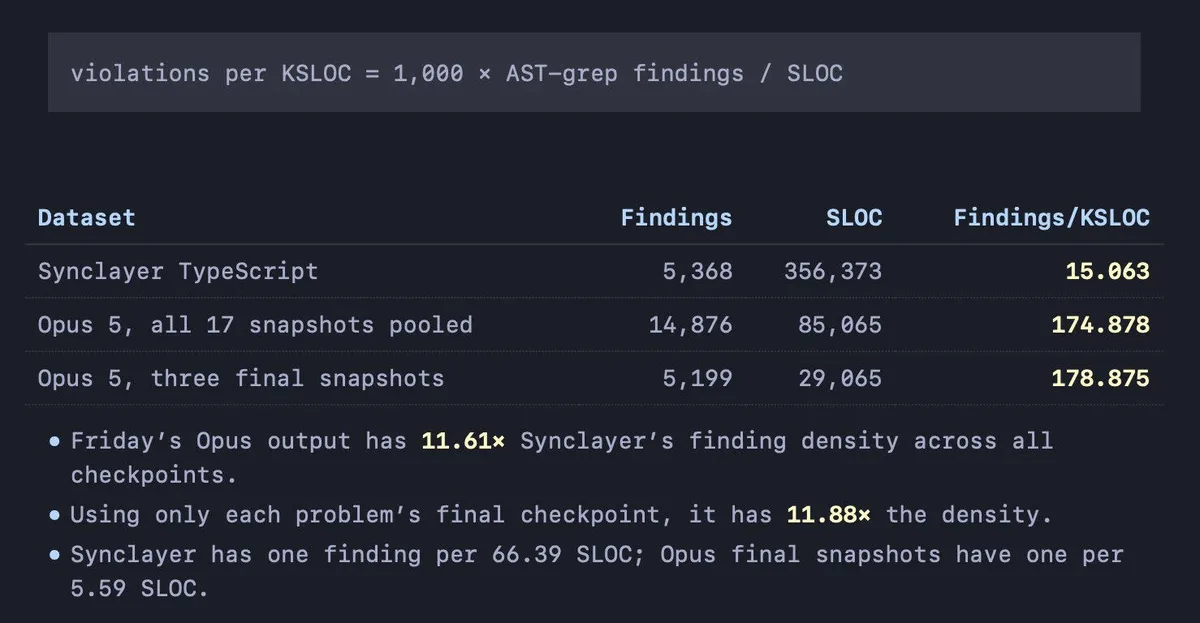
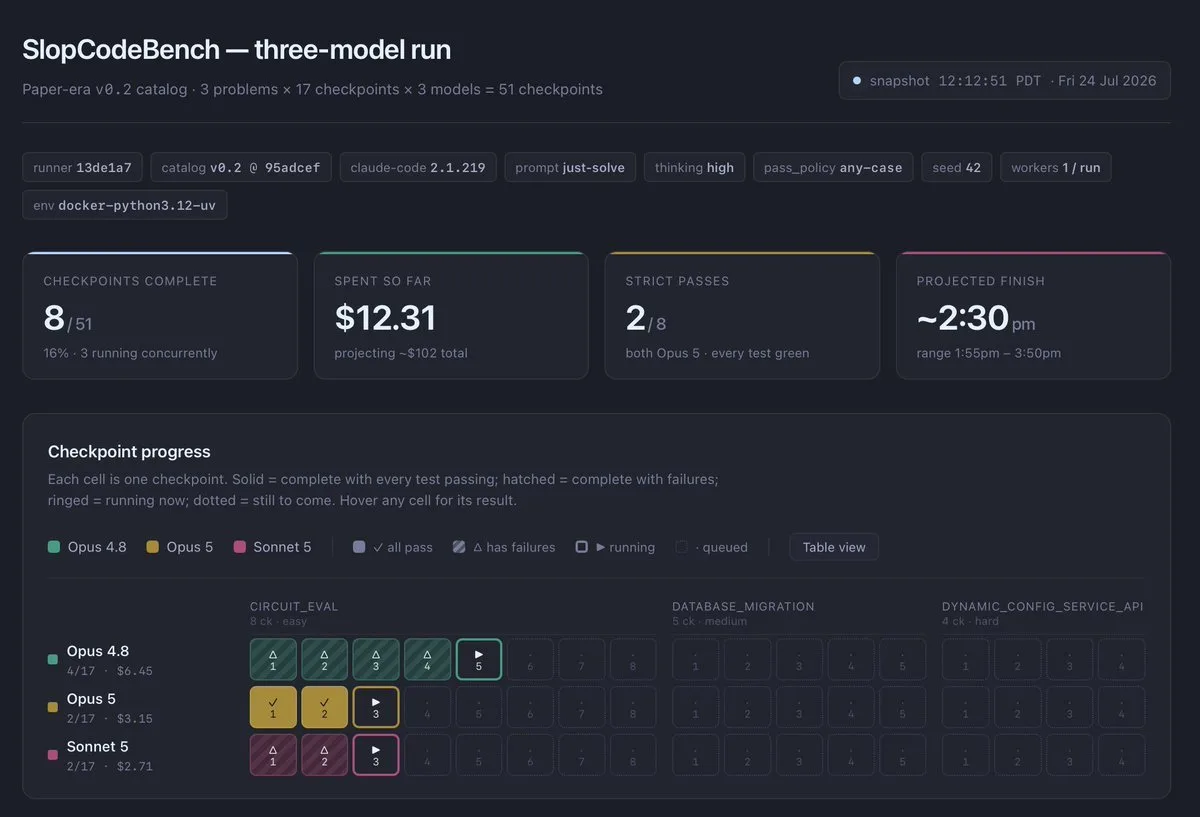
The Usenet Archive Toolkit (UAT) offers tools to generate offline, searchable Usenet message archives that merge multiple message sources into a unified format designed for fast, long-term access [10]. SlopCodeBench, introduced in March 2026, is a new coding benchmark featuring evolving challenge checkpoints that better simulate real software engineering tasks. Benchmark results show that even advanced AI models have low strict pass rates—11% for GPT-5.4, 17% for Opus 4.6, and 24% for Opus 5—indicating the ongoing difficulty of complex coding challenges [11].