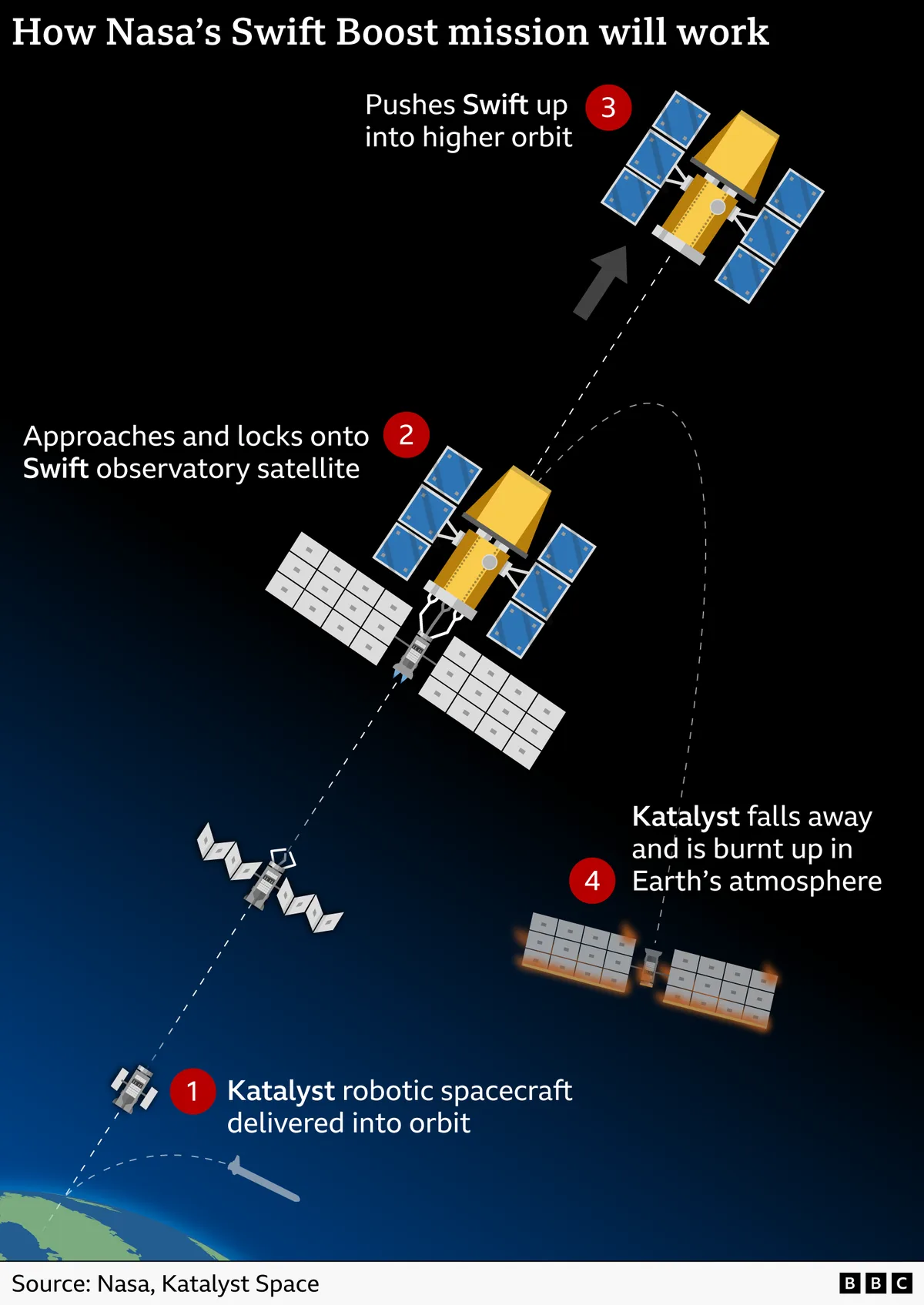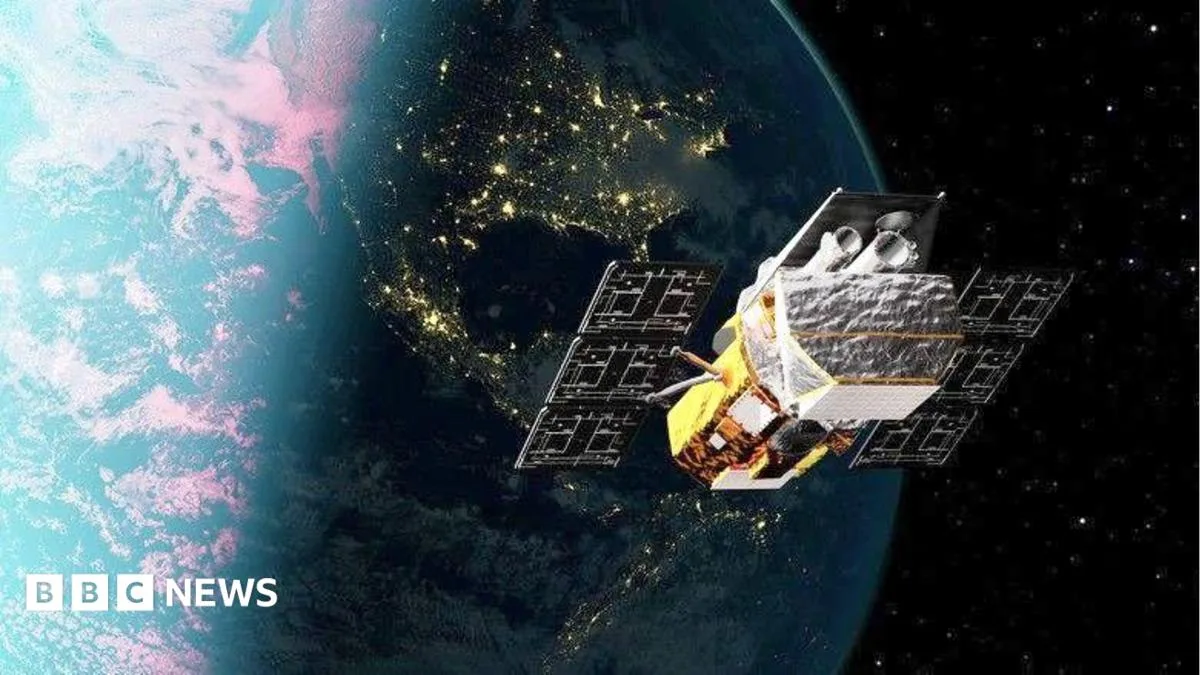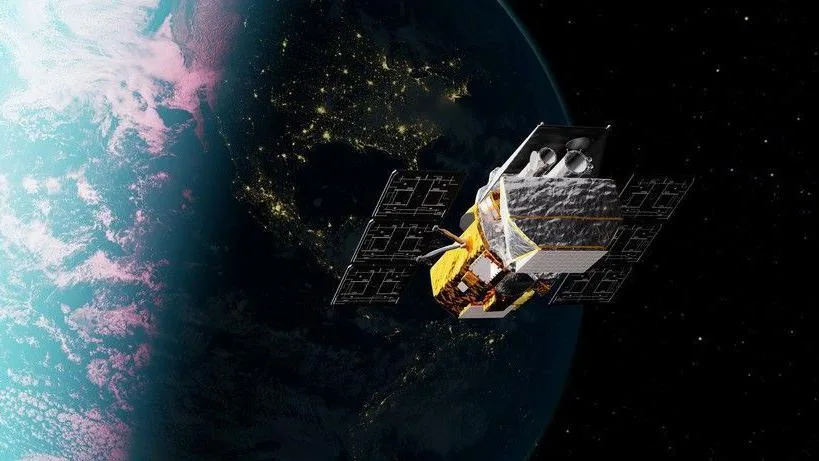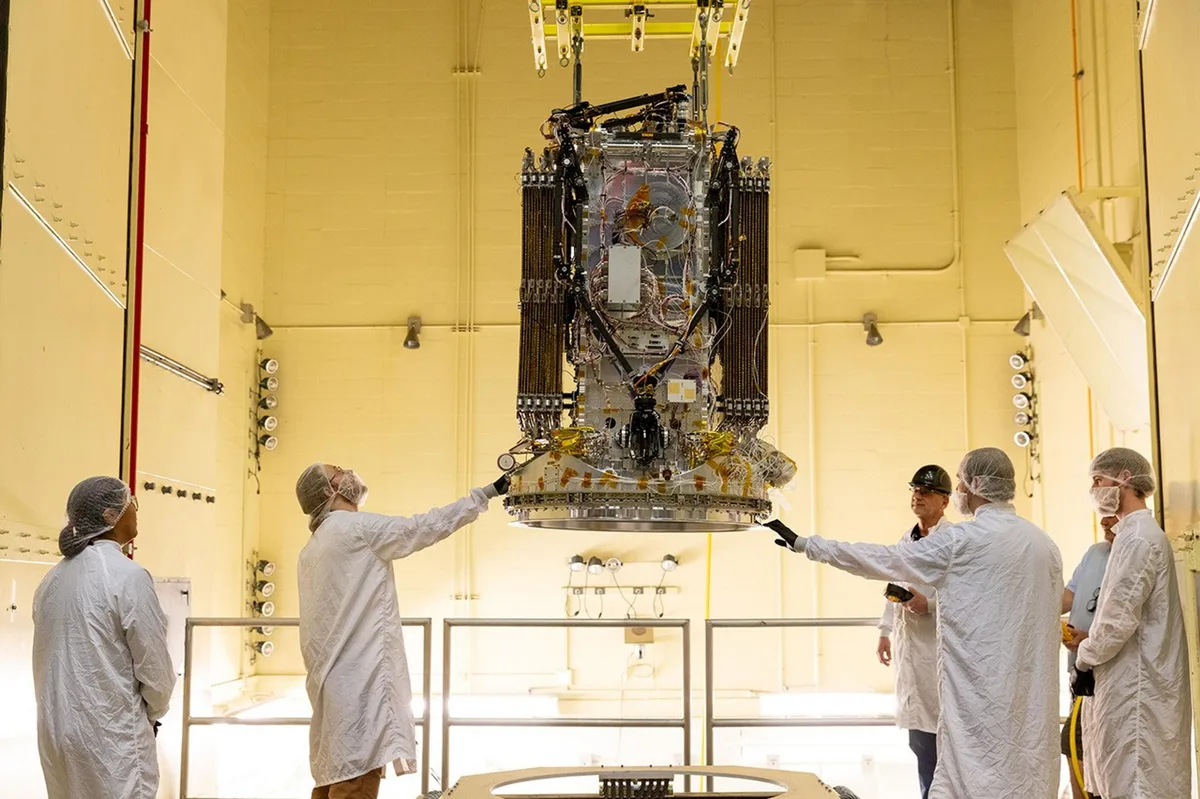
NASA launched a robotic spacecraft named Link on July 3, 2026, to intercept and rescue the Swift space telescope, which is falling toward Earth due to orbital decay [1, 2, 3]. The Link spacecraft lifted off at 0836 GMT from a Pacific Ocean atoll on a Pegasus rocket air-launched from a modified aircraft [2, 3].
Swift’s original orbit at launch in 2004 was about 600 kilometers (373 miles). Its orbit has since decayed to approximately 360 kilometers (220 miles) due to increased atmospheric drag caused by heightened solar activity [1]. This puts the telescope at risk of burning up on re-entry, a fate most low Earth orbit satellites face without intervention [1].
The mission aims to use robotic arms on the Link spacecraft to dock with Swift and boost its orbit approximately 300 kilometers (186 miles) higher, placing it in a safer altitude [1, 3]. The operation from launch to docking and orbit raising is expected to take several weeks to about a month [2, 3].
The mission was developed by American startup Katalyst Space Technologies at a cost of around $30 million. CEO Ghonhee Lee said, "What the Katalyst team has accomplished in just eight months is extraordinary. The team designed, built, tested, and integrated a robotic spacecraft capable of saving Swift" [1].
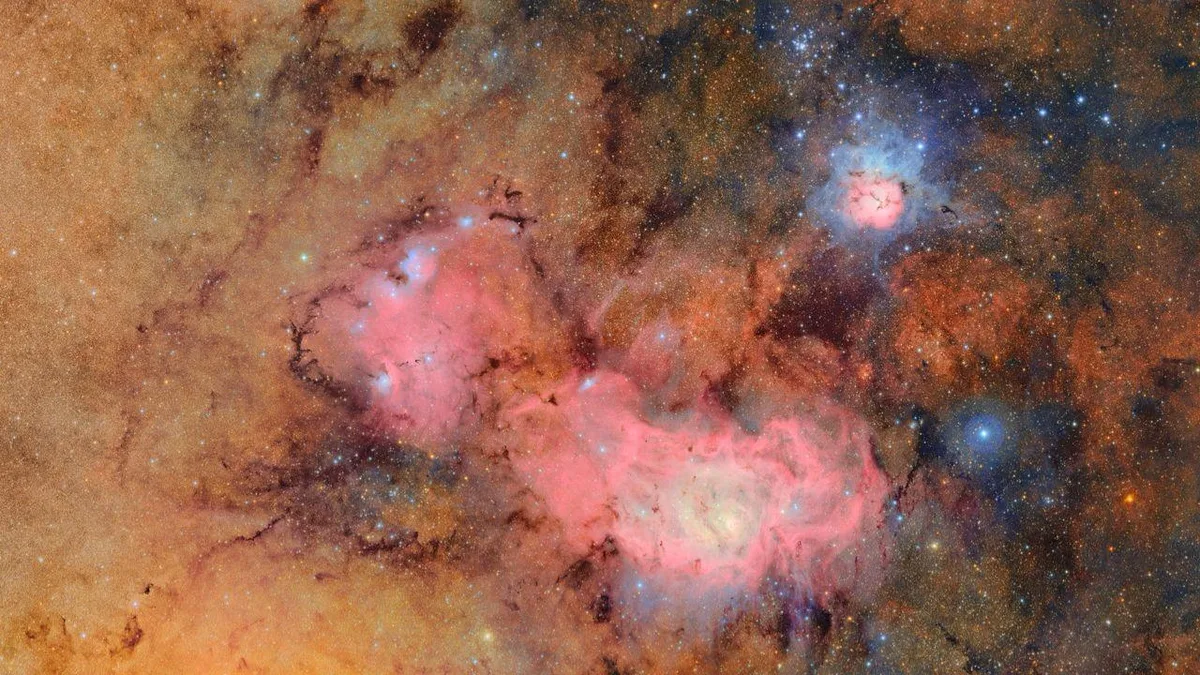
Swift studies gamma-ray bursts, the universe’s most powerful explosions, which cannot be observed by other means. Dr. Simeon Barber, a senior research fellow at the Open University, noted the telescope’s unique scientific value and said, "NASA obviously thinks it's worth a go. And the science community is hopeful about this because it's an important telescope that enables us to study super high-energy phenomena that we have no other means to study" [1].
NASA’s astrophysics division director Shawn Domagal-Goldman called the mission unprecedented, saying, "This is a lot of firsts stacked on top of each other. I'm just deeply thankful that we're even giving this a go" [3].
The mission could set a precedent for extending the operational lives of satellites via robotic servicing and refueling [2, 3]. The launch was originally scheduled for June 30 but delayed to July 3 due to weather and technical issues [2, 3].
NASA will monitor the Link spacecraft over the coming weeks as it attempts to dock with Swift and raise its orbit, aiming to complete the operation by early August.