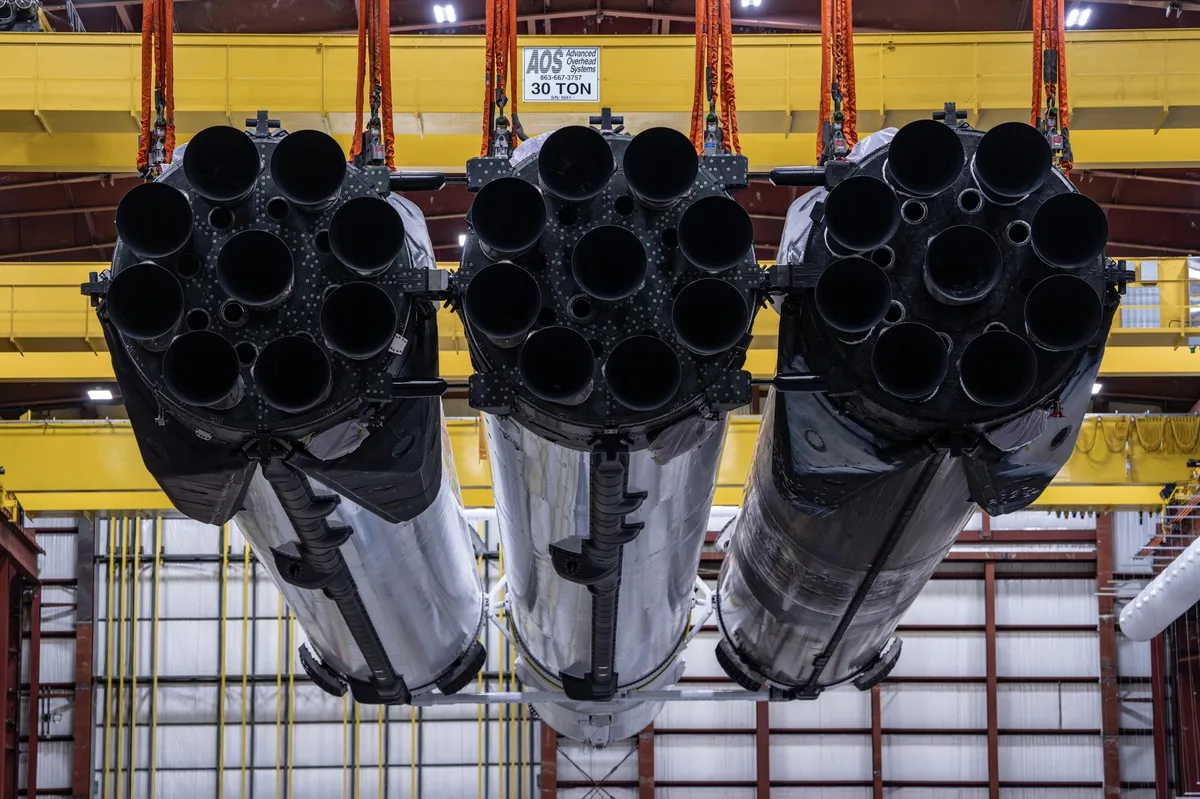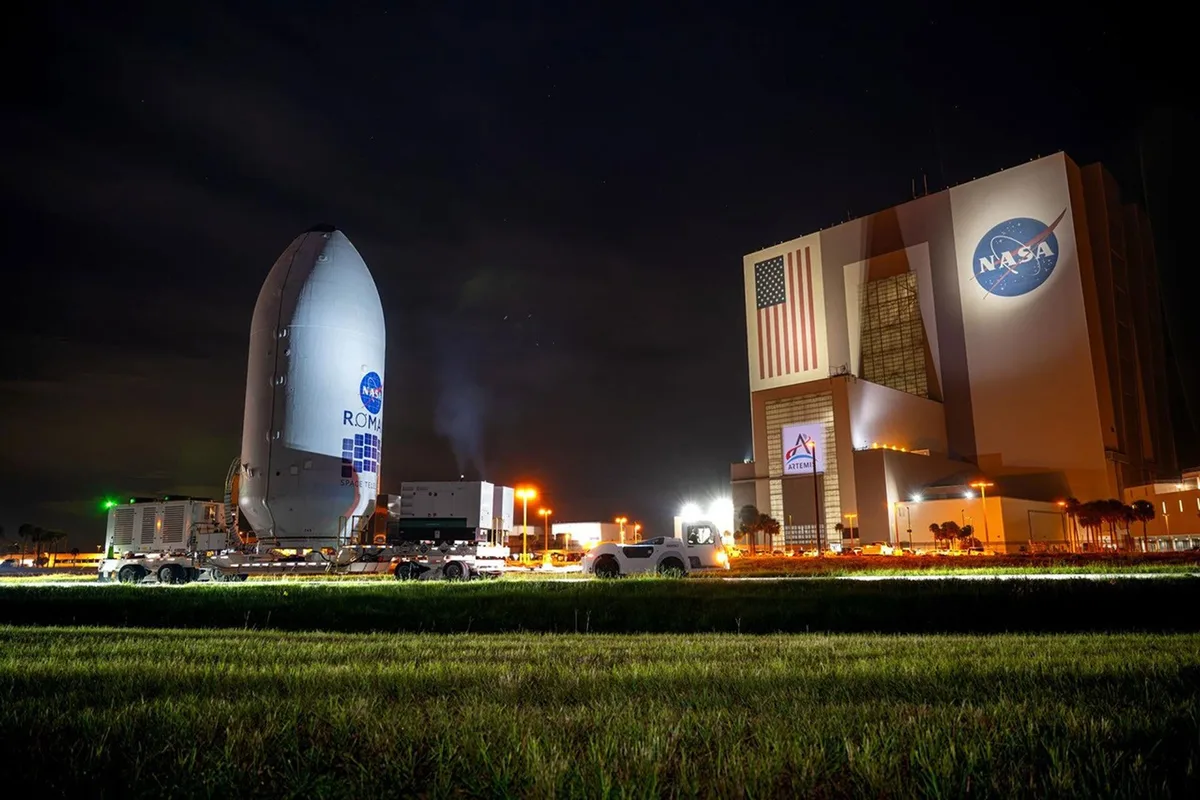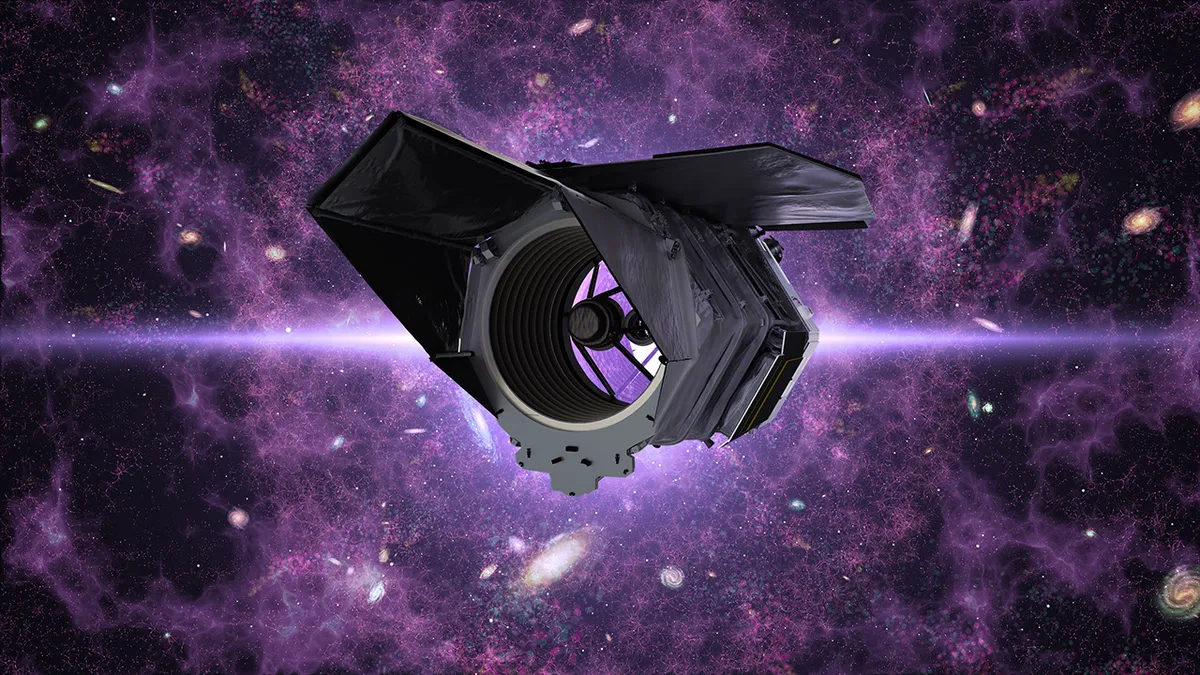
NASA launched the Roman Space Telescope on August 30, 2026, at 7:26 a.m. EDT aboard a SpaceX Falcon Heavy rocket from Florida [1, 2, 3]. The telescope is named after Nancy Grace Roman, NASA’s first chief astronomer and known as the “Mother of Hubble” [1, 2, 3].
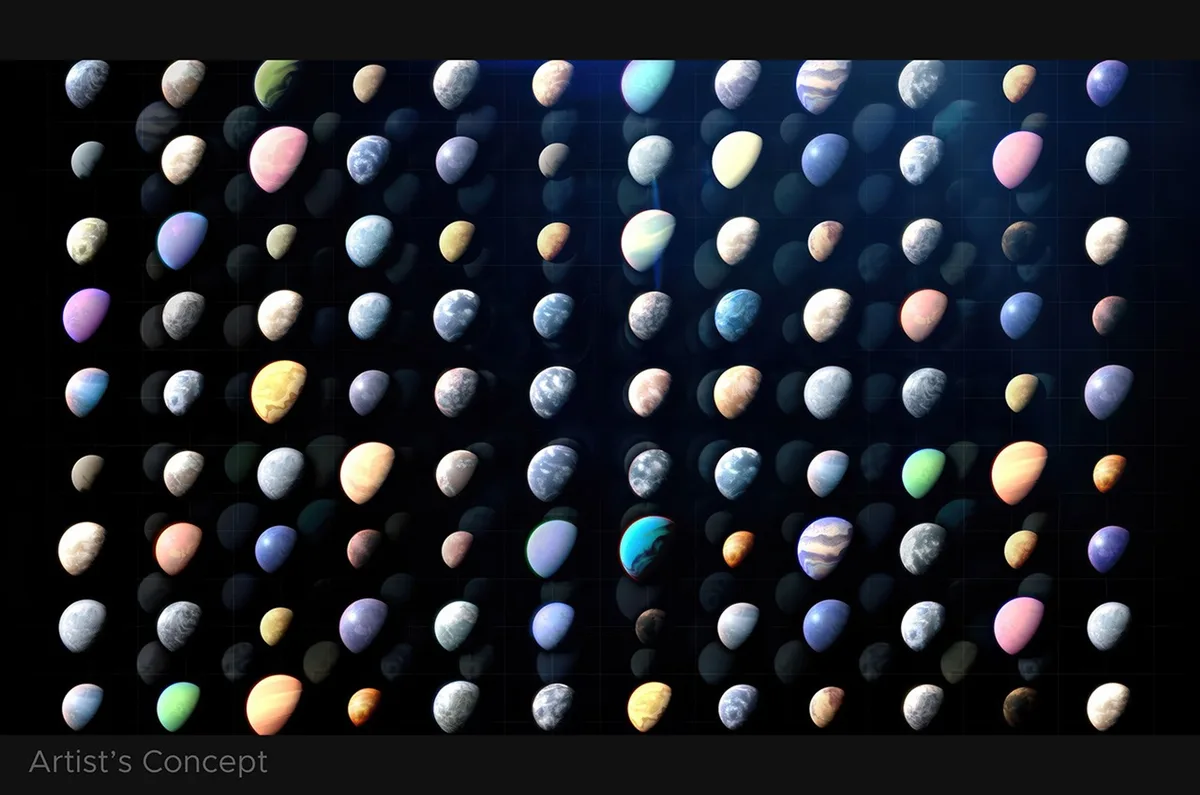
Roman is designed for a multi-year mission to map the universe on a scale never done before [1, 3]. It has a field of view more than 100 times larger than the Hubble Space Telescope and even wider than the James Webb Space Telescope [1, 2, 3]. This wide view will allow it to discover thousands of exoplanets and tens of thousands of supernovae [1, 3]. The telescope can also block starlight to directly image exoplanets and planet-forming disks, enabling scientists to take a broad census of planetary systems [2].
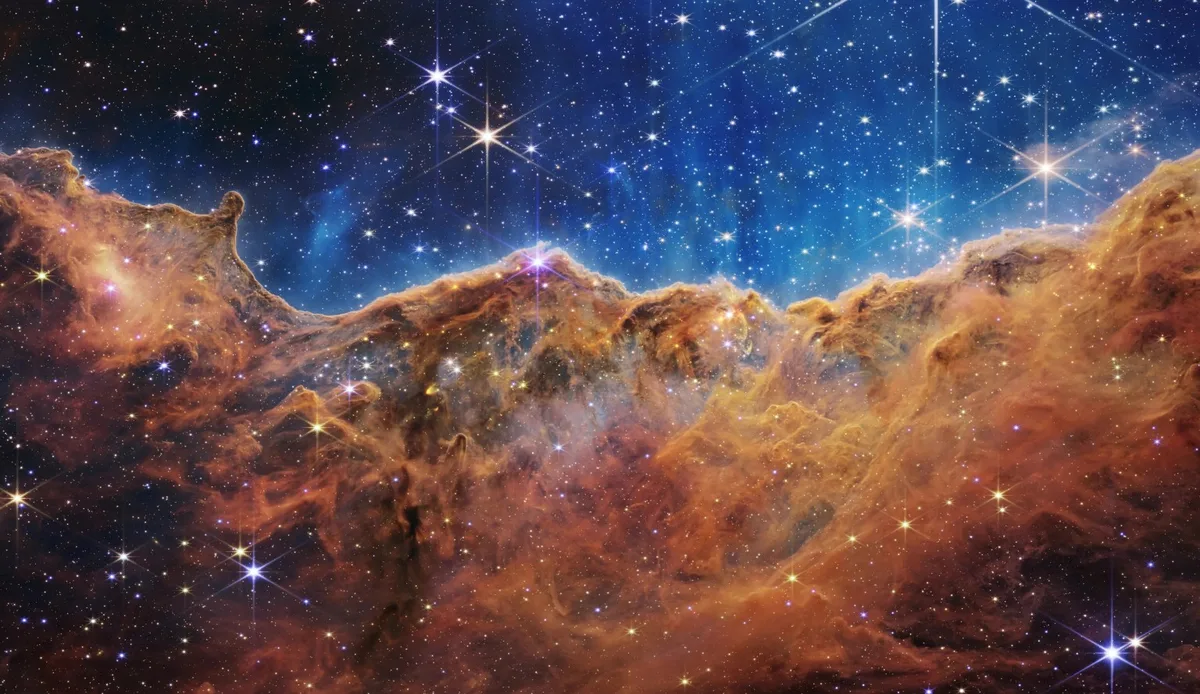
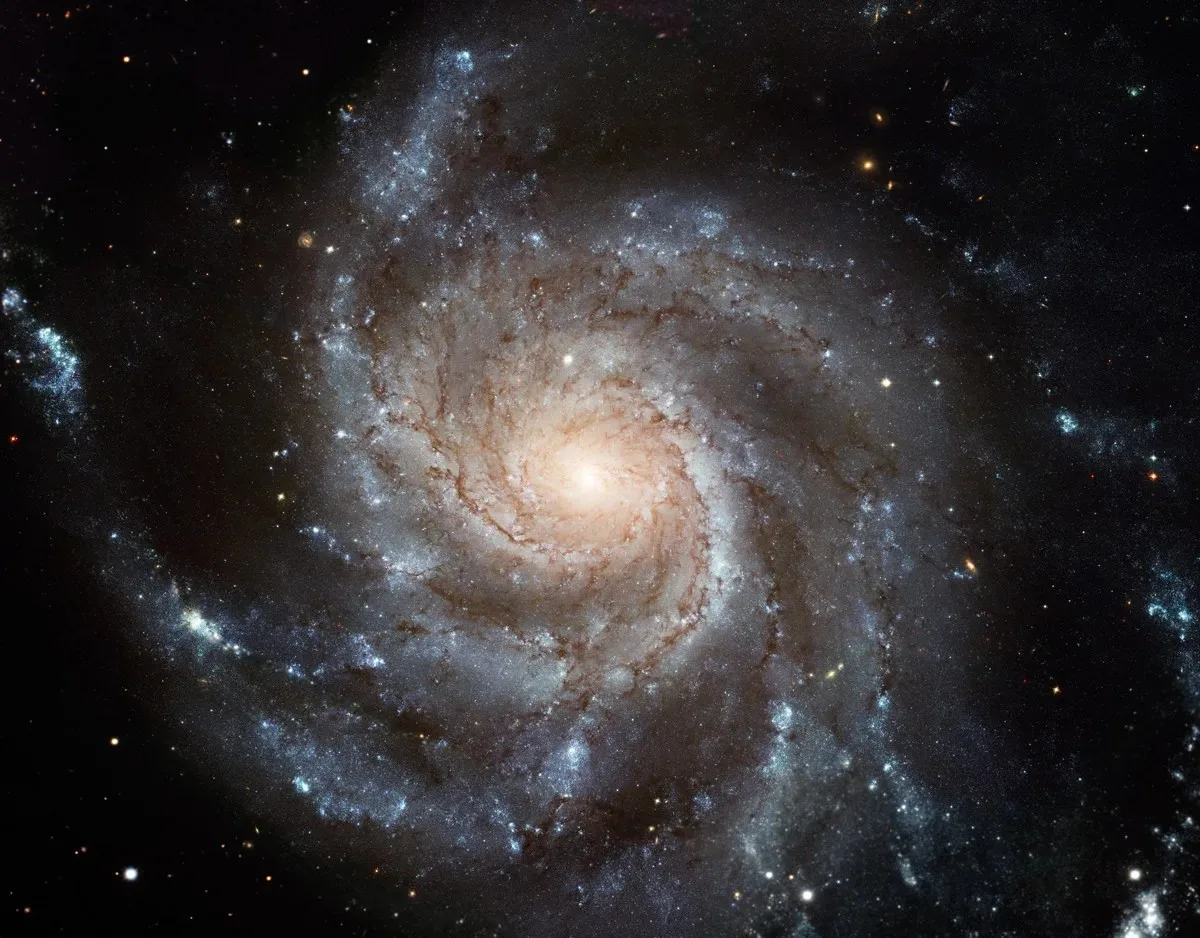
Equipped to detect infrared light, Roman can observe distant celestial objects and effectively look back in time [1, 2]. It will study dark matter and dark energy, which together make up about 95% of the universe [1, 3]. Roman will work alongside other observatories like James Webb, which offer greater precision and power [1, 3].
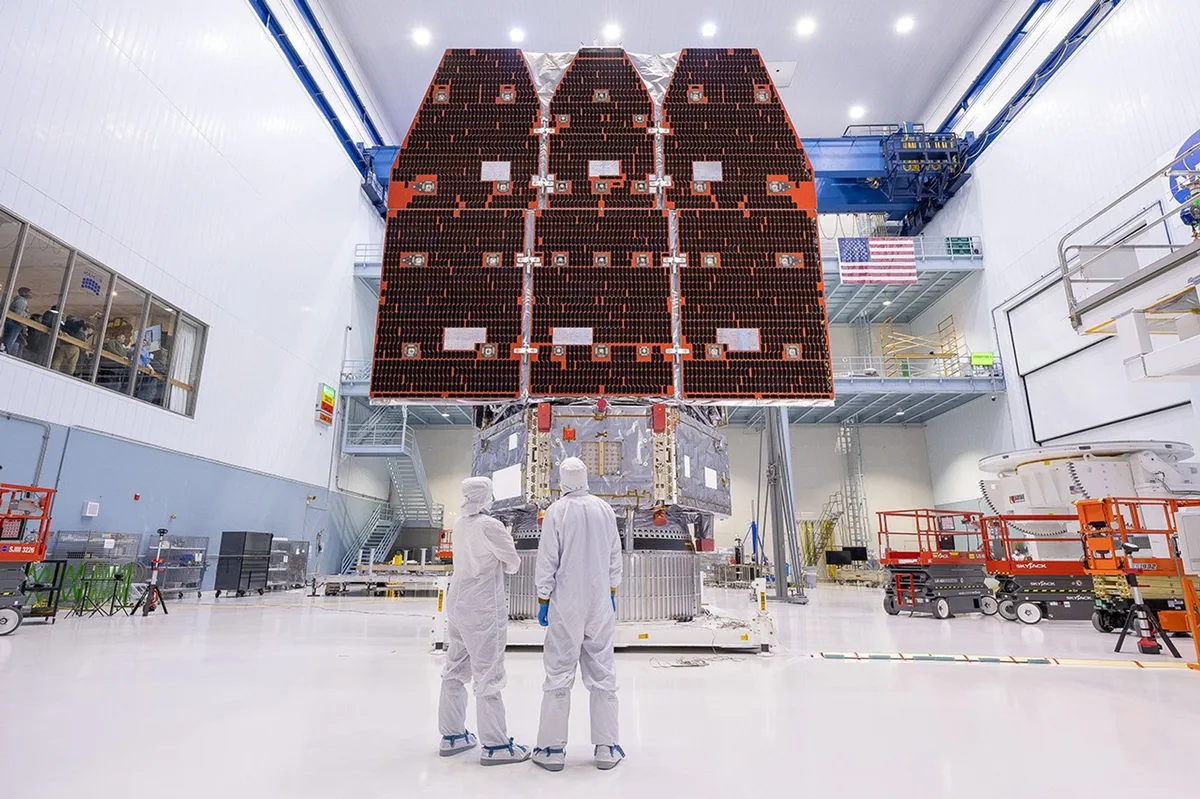
Developed over more than a decade, the $4 billion-plus project produced a telescope over 12 meters tall [1, 3]. From launch, Roman will travel to an operational orbit about 1.5 million kilometers from Earth, expected to arrive approximately 100 days after launch [1, 3].
US President Donald Trump said the telescope "will help unlock the secrets of the universe" [1]. NASA Administrator Jared Isaacman called it a tool that "will give the Earth a new atlas of the universe" [1]. Roman’s technical manager Dave Content said, "It will be the biggest catalogue of astronomical objects anybody’s ever produced, and it will help us understand how common are solar systems like our own" [1].
Roman’s arrival at its orbit in early December 2026 will begin its science operations, setting the stage for an ambitious cosmic survey ahead.