Nvidia and Toyota announced an expanded partnership to supply AI technologies for smart cities, traffic management, and vehicle manufacturing factories as of mid-July 2026 [1, 2]. This collaboration builds on their joint work since 2017, which initially focused on autonomous vehicle platforms like Nvidia Drive PX [1]. In 2025, the partnership extended to incorporate Nvidia's Drive AGX Orin platform for commercial vehicle fleets [1].
Toyota’s experimental Woven City in Shizuoka Prefecture serves as a real-world testbed for Nvidia’s AI projects, including smart city infrastructure and traffic systems [3, 4, 1]. Nvidia will also provide Toyota with its Omniverse platform to create digital twins of vehicle assembly lines. These digital models will help Toyota analyze and optimize production efficiency [1].
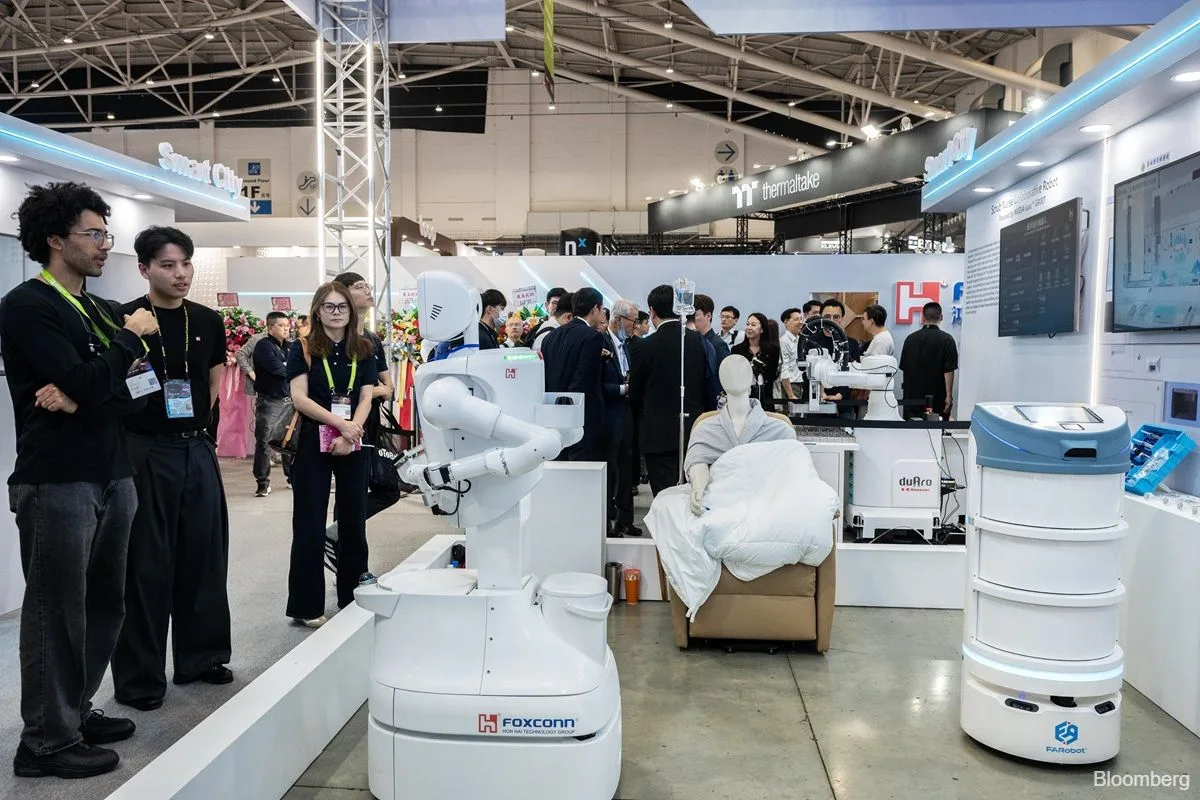
Deepu Talla, Nvidia’s vice president of robotics and edge AI, said, "We are expanding our partnership to advance physical AI across not only automotive but also robotics and smart cities" [1]. He added, "Extending the reach of AI beyond the data centre and integrating it directly into devices and machines is an industrywide focus this year" [2]. Nvidia’s goal is to embed AI capabilities directly into physical machines, encompassing robotics, automotive applications, and smart city infrastructure [1, 2].
Toyota will also leverage Nvidia’s Isaac robotics platform and Nemotron large language models to speed automotive software development [1]. Previously, Nvidia and Toyota worked with US-based Ready Robotics to enhance factory safety and productivity, signaling a deeper commitment to automation technologies [1, 2].
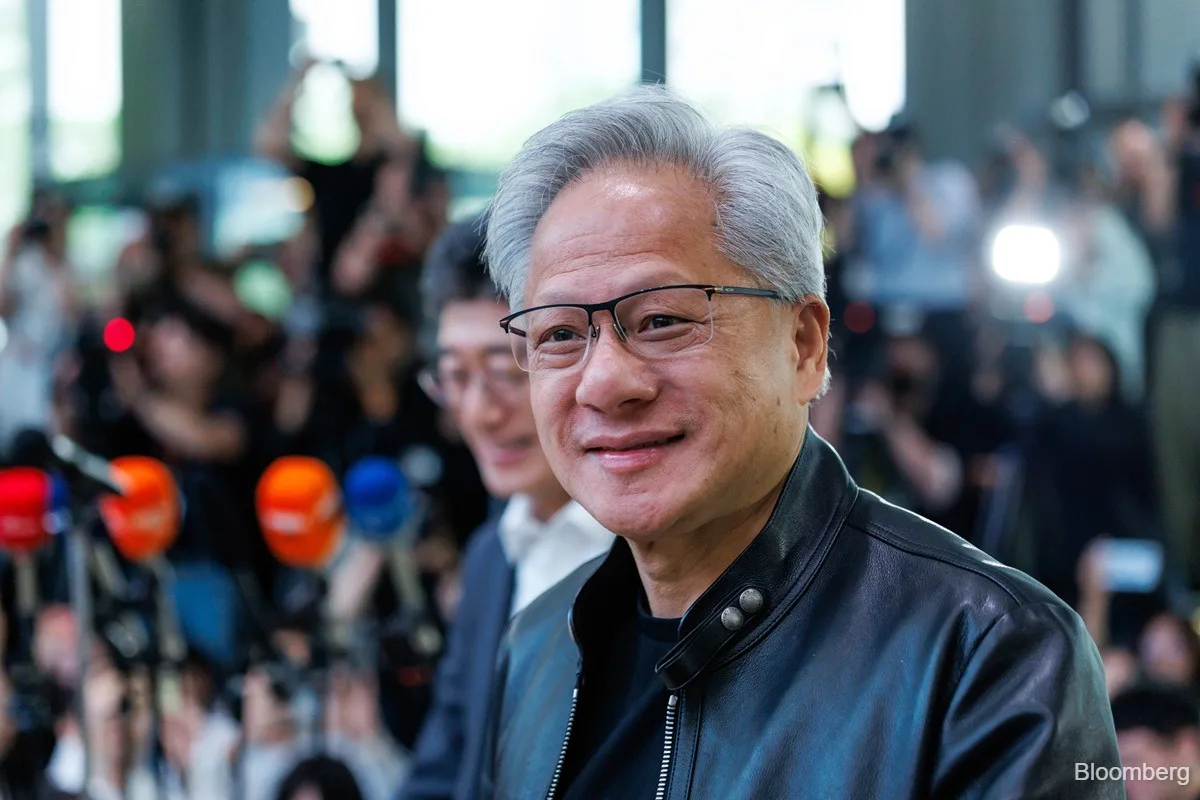
Nvidia CEO Jensen Huang visited Japan in mid-July 2026 to promote AI technology and partnerships, including this expanded collaboration with Toyota [1]. The companies plan to continue integrating AI into smart city environments and manufacturing lines.
Their partnership timeline began in 2017 with autonomous driving platforms, advanced in 2025 to commercial vehicle fleets, and expanded in July 2026 to smart cities and robotics applications, reflecting a steady deepening of AI integration [1, 2].