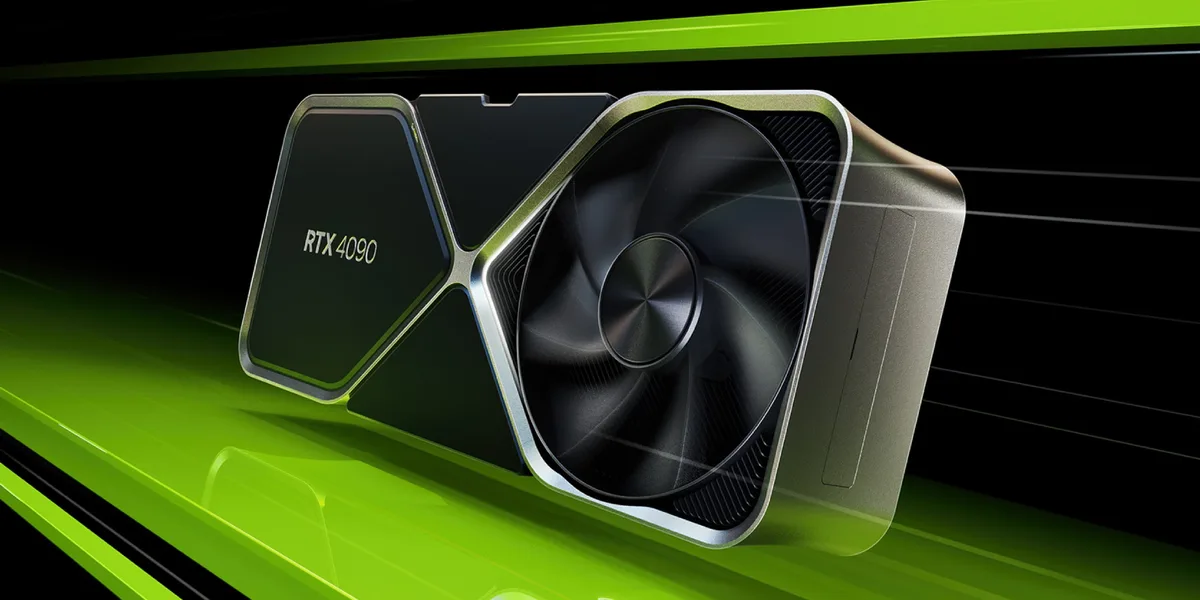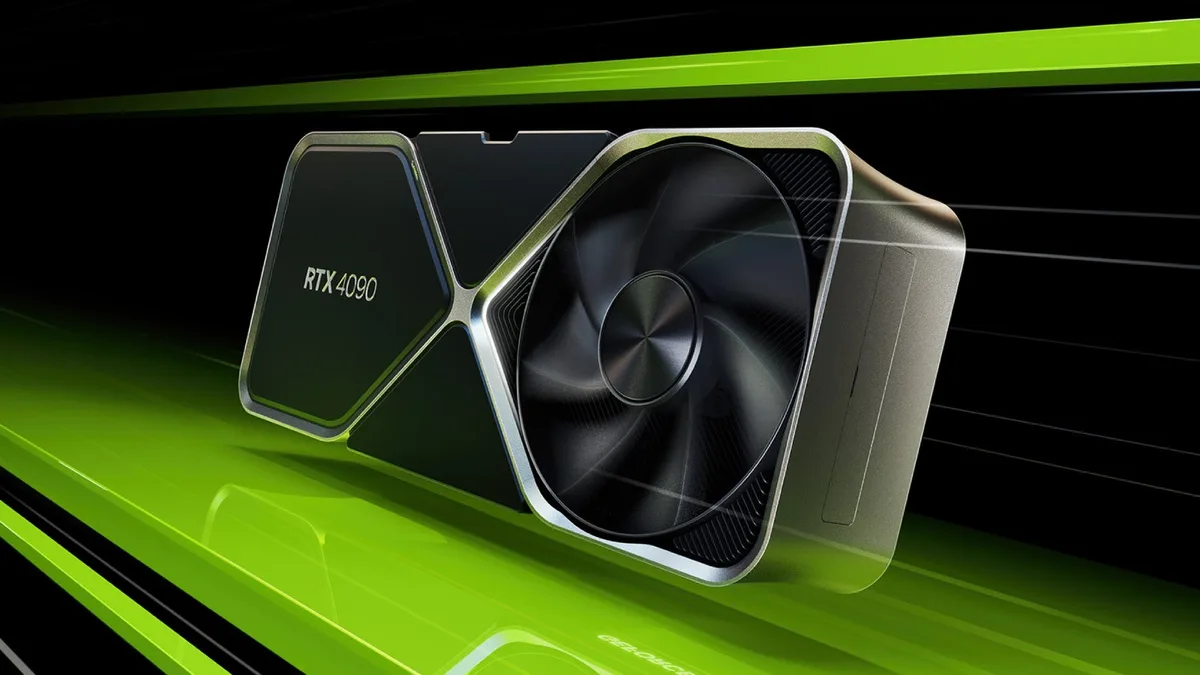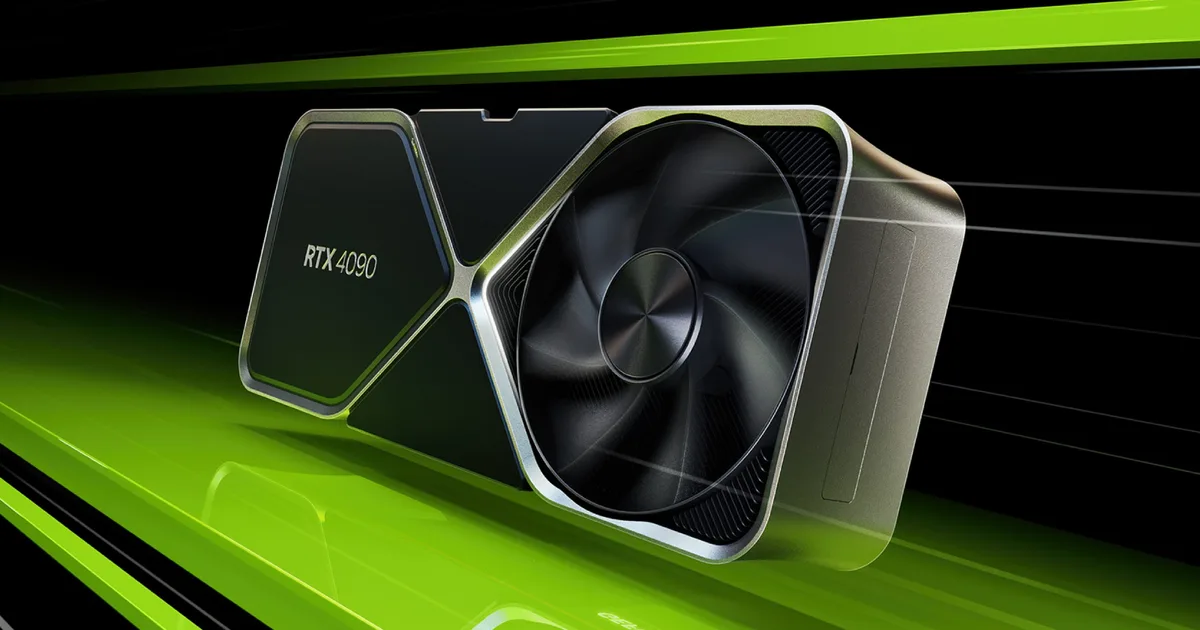
Nvidia raised prices on its GPU bundles by 20% to 30%, affecting a broader range of graphics cards including those with GDDR6 and GDDR7 memory variants, according to multiple reports this month [1, 2, 3]. This marks the company's third price increase in 2026, with a prior hike in May targeting high-end models like the RTX 5090 series [1, 3].
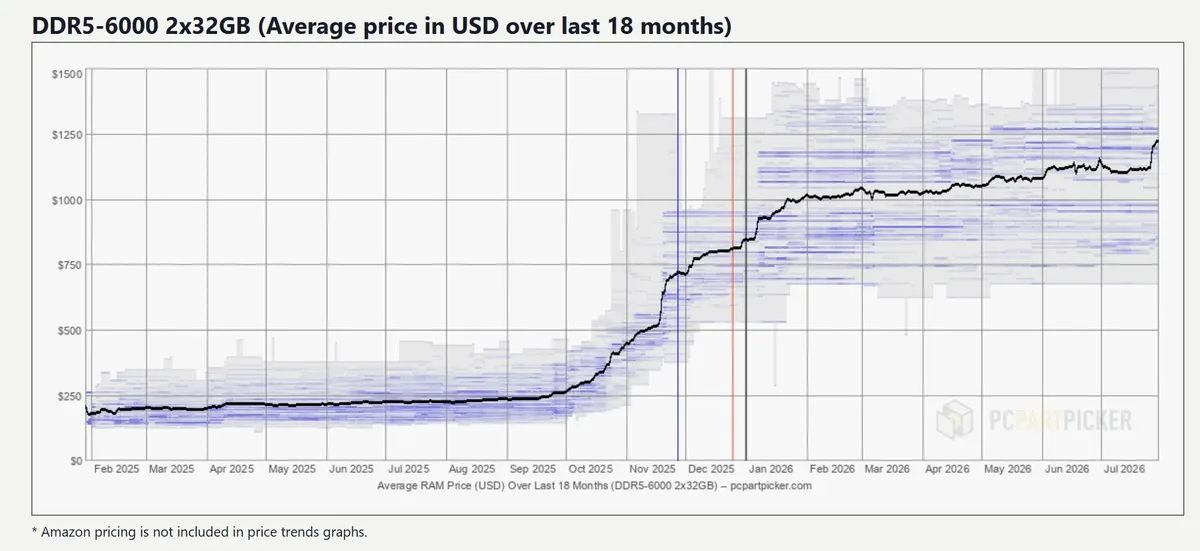
The price surge follows an extraordinary demand boost driven by the generative AI boom, which has significantly increased demand for specialized hardware components [1, 2]. Samsung and other major memory manufacturers have also raised DRAM prices by about 20%, adding to overall hardware inflation [1, 2, 3].
A key factor in the memory shortage is the shift by RAM producers away from consumer DRAM toward high-bandwidth memory optimized for AI data center workloads [2, 3]. This supply shift has diminished availability of gaming and consumer-grade memory.
Chinese retailers and e-commerce platforms have responded cautiously, reluctant to stock GPUs amid expectations of further price increases [1, 3]. Industry analyst Harukaze5719 reported that prices in the Chinese market for the RTX 5090 reached around $3,843 while the RTX 5080 is priced near $1,845, reflecting the recent upward trend [3].
Nvidia’s price hikes apply to GPU kits sold to partners like MSI and Asus, who pass higher costs on to consumers [2, 3]. The rising memory costs have also driven up prices for major gaming consoles including the Xbox Series X/S and PlayStation 5 during the past year [1, 2].
Industry sources anticipate the GPU market will remain challenging and prices elevated, as the memory supply crisis is expected to persist until at least 2029 [3]. Nvidia’s latest price increases could influence the market into the coming years.
The most recent price hike was implemented in August 2026, affecting a wider range of GPUs beyond the initial May increase focused on high-end models [1, 2, 3].