Nvidia's new DLSS 5 upscaling technology reduces game frame rates by 50 to 60 percent, regardless of the title being played, according to multiple sources. [1, 2, 3, 4] The AI-driven tool uses advanced multi-frame generation to improve graphical fidelity, but players and reviewers have criticized the significant performance hit. [1, 2, 3, 4]
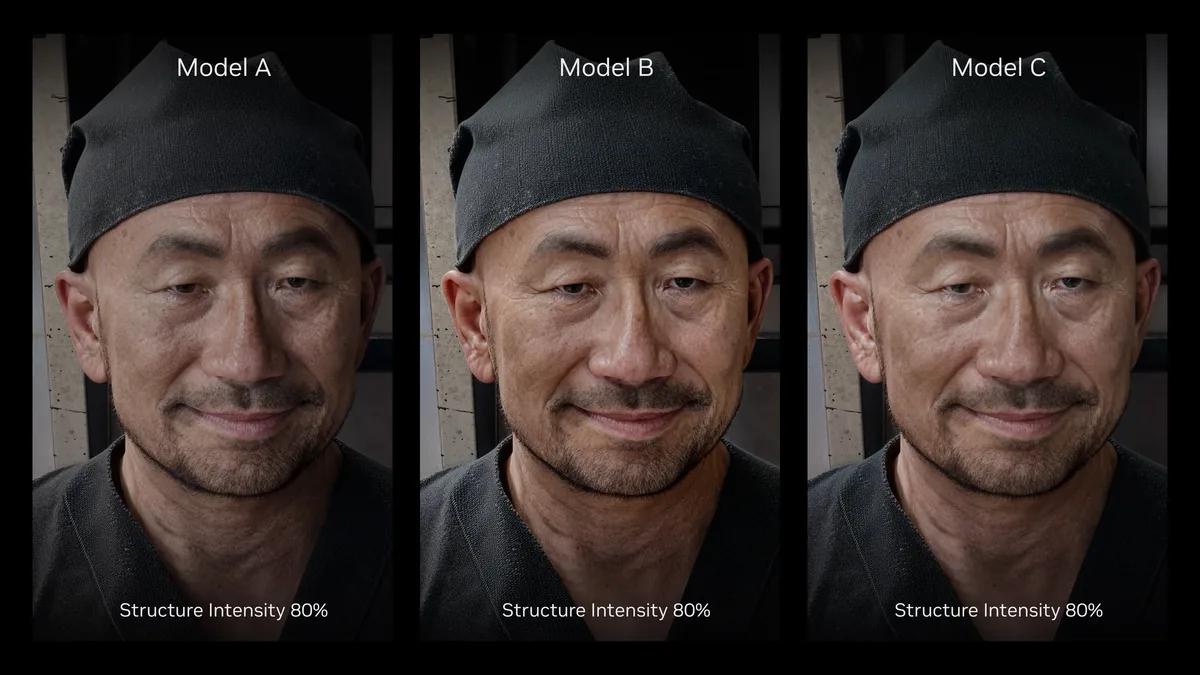
In demonstrations last week, Nvidia confirmed the steep drop in real-world frame rates to the press. [2, 3] PC Gamer’s Andy Edser reported, "Nvidia says turning DLSS 5 on will currently reduce performance by 50-60%, across all games." [2] Early showcases also faced backlash due to distorted or unnatural character models generated by the AI upscaling. [1, 3]
Six months ago, DLSS 5 required dual RTX 5090 GPUs to operate but recent optimizations have brought that figure down to a single GPU, delivering roughly a fivefold improvement in performance compared to the initial builds. [2, 3, 4] Despite this, Nvidia's advertised frame rates often include aggressive 6x Multi-Frame Generation boosts, which exaggerate the realized frame rate versus actual base game rendering. [2, 4]
For example, NBA 2K27 running on an RTX 5060 at 1080p Ultra settings with DLSS 5 and ray tracing hits around 258 frames per second when boosted by multi-frame generation, but the true base frame rate is closer to 43 FPS. [2, 4] On higher-end RTX 5090 and RTX 5080 GPUs at 4K resolution, DLSS 5 achieves roughly 370 FPS and 233 FPS respectively under these conditions. [4]
Some gamers have voiced frustration that Nvidia appears to be prioritizing AI-driven graphics and generative AI advancement over traditional gaming performance gains. [1, 3] Nvidia has stated it will continue to optimize DLSS 5 to address performance concerns. [4]
Nvidia plans to officially release DLSS 5 on September 3, 2026, coinciding with the launch of NBA 2K27, marking its first public availability. [1, 2, 3]