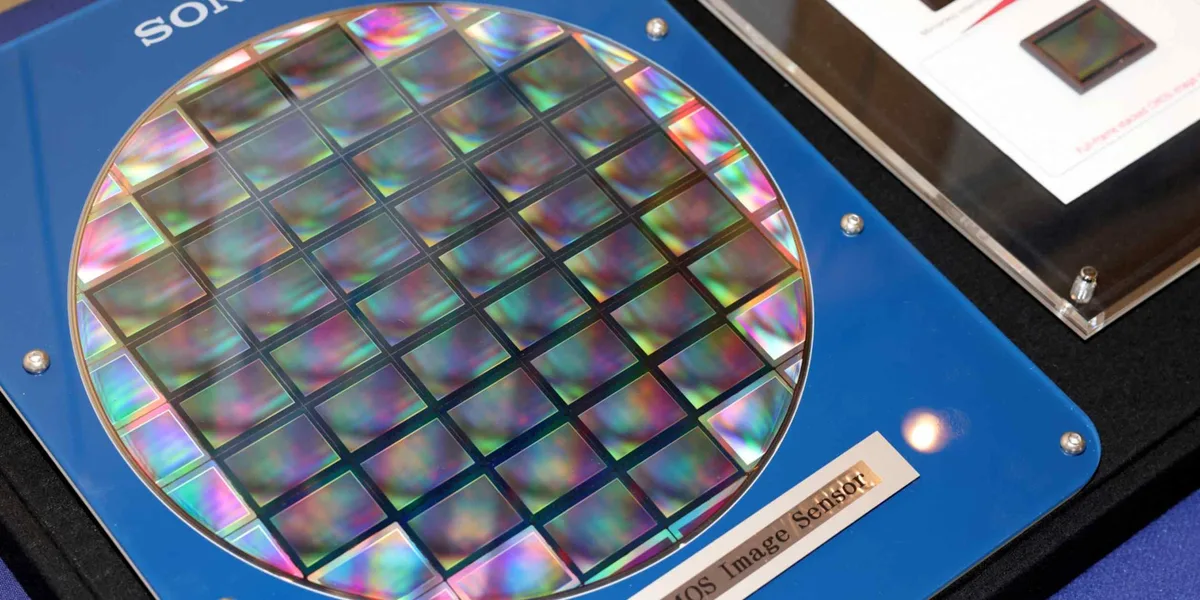
Sony Group and Taiwan Semiconductor Manufacturing Co. announced plans to invest approximately $6.3 to $6.4 billion (around ¥1 trillion) in a joint venture to develop and produce next-generation image sensors in Kumamoto Prefecture, Japan [1, 2, 3, 4, 5]. The new factory is expected to begin mass production in 2029 [1, 2, 3, 4, 5].
Sony Semiconductor Solutions Corp and TSMC will jointly develop image sensors aimed at robotics, autonomous vehicles, and other AI-driven applications [2, 3, 4, 5]. Sony will hold the controlling stake in the venture while maintaining minority shares in TSMC's existing chip plant in the region [2, 3, 4, 5].
The deal supports Sony’s shift toward an asset-light business model by focusing on intellectual property in music, film, and gaming while leveraging TSMC’s manufacturing strength [2, 3, 4, 5]. Historically, Sony has supplied high-end image sensors to companies like Apple, Huawei, and Samsung. This new venture seeks to expand into automotive and robotics sensing markets [2, 3, 4, 5].
Japan’s government is expected to consider providing financial backing for the joint venture, according to Trade Minister Ryosei Akazawa, who said, "Japan’s government will consider providing financial support to the venture" [5]. Toyo Research Advice Co analyst Hideki Yasuda described the investment as "virtually risk-free" for both companies, noting it lowers Sony’s capital burden while securing steady revenue for TSMC [4].
The announcement follows growing competition from South Korean and Chinese semiconductor firms [6]. Shares of Sony and TSMC rose by about 2.2% and 1.7% respectively the day the reports broke [2, 3, 4, 5].
Sony and TSMC reached a basic agreement to cooperate on next-generation image sensors in May 2026 [1, 4, 5]. The joint venture’s new factory in Kumamoto is scheduled to start mass production of these sensors in 2029 [1, 2, 3, 4, 5].