Spacelab was a reusable laboratory carried in the Space Shuttle cargo bay designed to provide astronauts with lab space and support scientific experiments in orbit [1, 2]. It featured a pressurized cylindrical module connected to the Shuttle by a tunnel, along with up to five unpressurized pallets exposed to space for external experiments [1, 2].
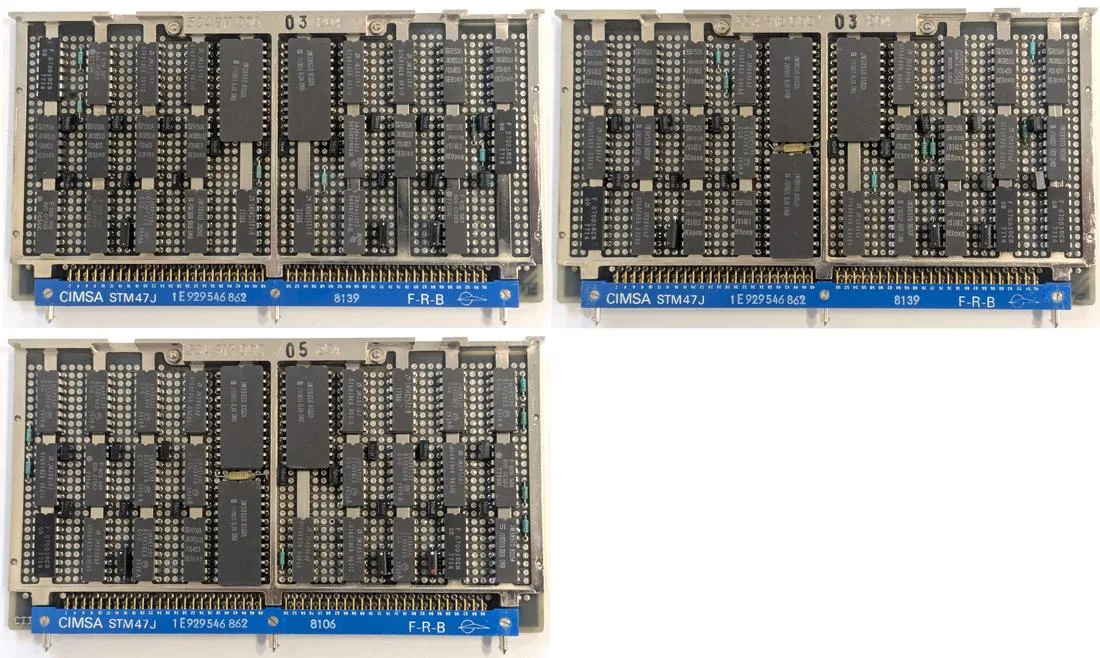
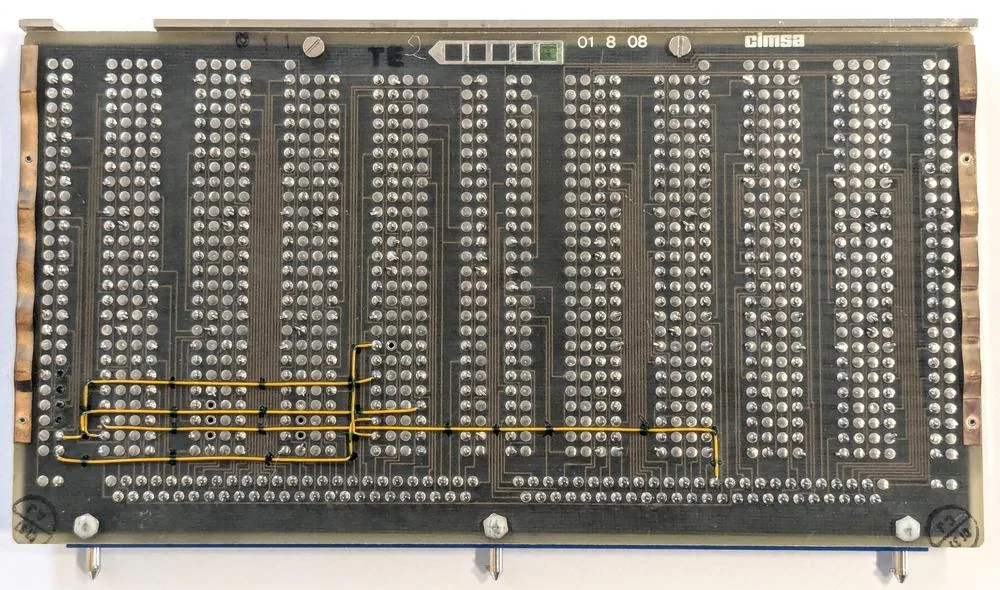
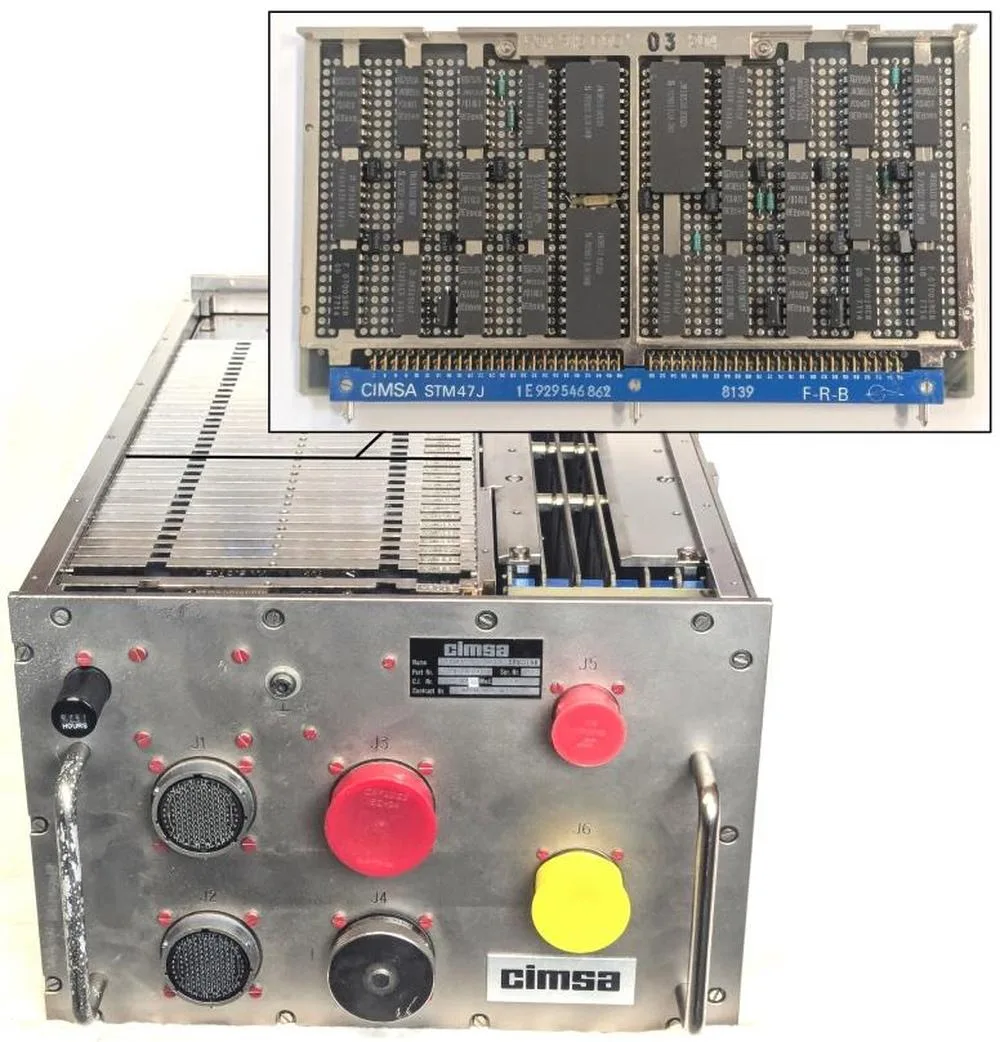
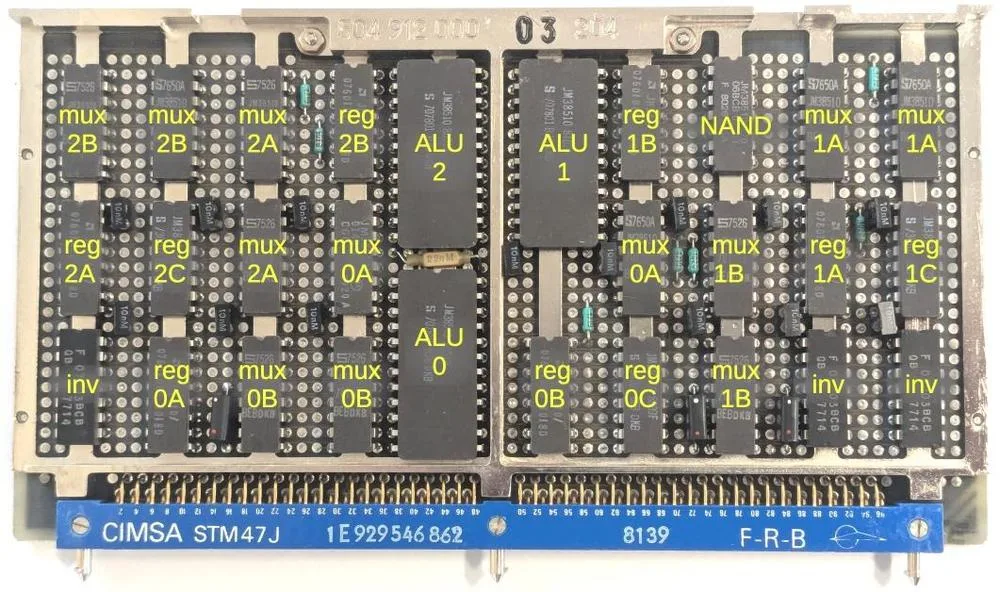
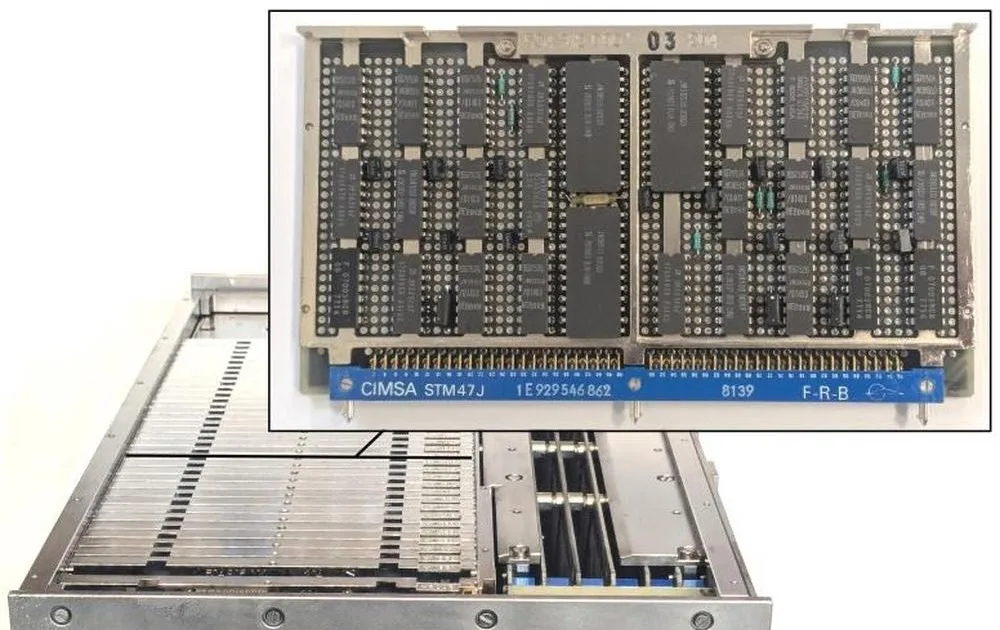
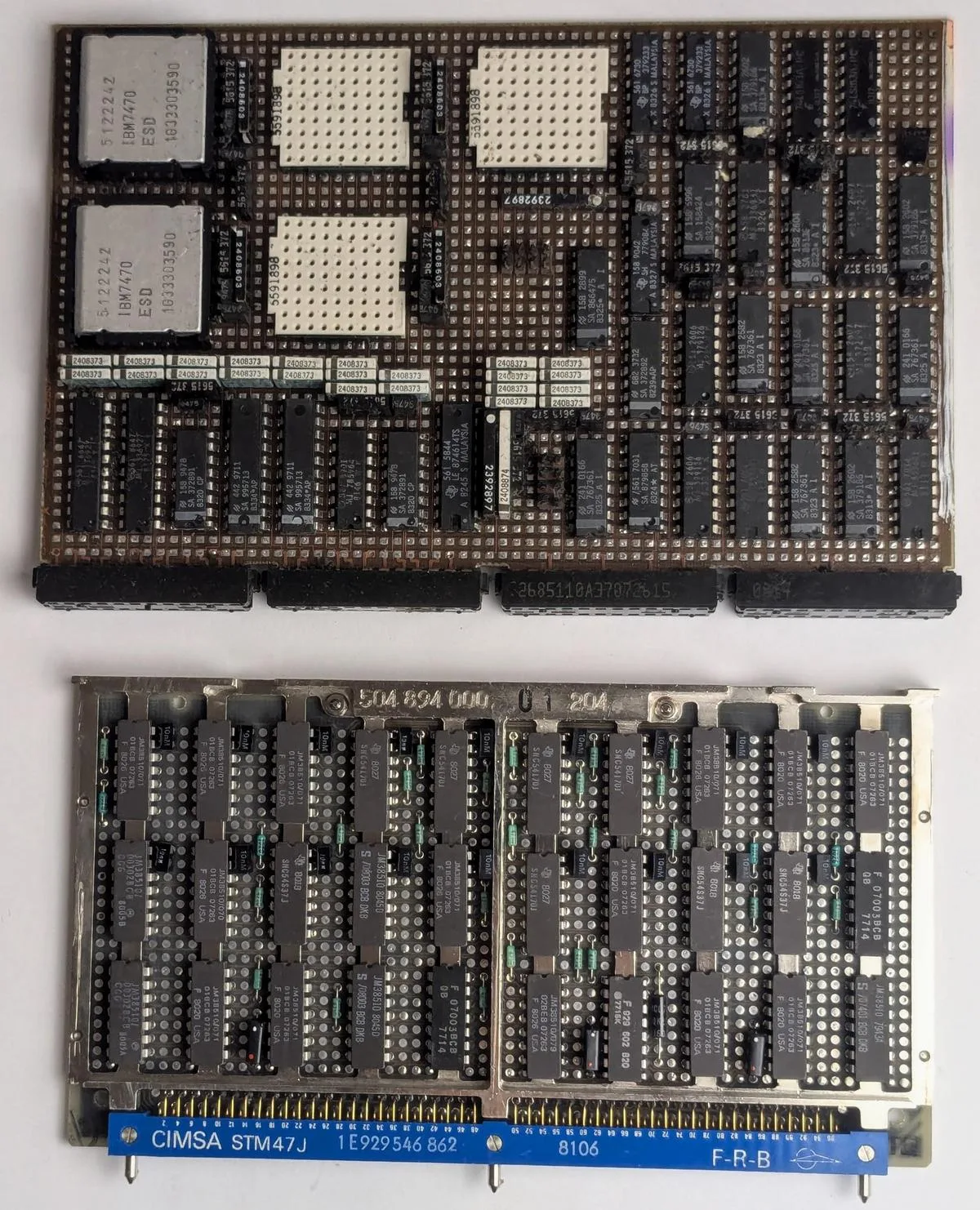
The core computing system for Spacelab was based on the French-built Mitra 125 MS minicomputer. Unlike typical microprocessor-based systems, the Mitra 125 MS comprised several circuit boards that together formed a 16-bit processor without a microprocessor chip [1, 2]. This militarized variant of the Mitra 125 was produced by the French company CIMSA [1, 2].
The Mitra line originated with the Mitra 15 minicomputer introduced in 1971 by French firm CII. This 16-bit machine used magnetic core memory and was designed for real-time automatic control applications [1, 2]. Mitra stands for "Mini-machine for Real-Time and Automatic Computing" in French, reflecting its intended use in managing experiments and systems that required precise timing [1, 2]. Approximately 8,000 units of the Mitra 15 were sold starting from 1971 [1, 2].
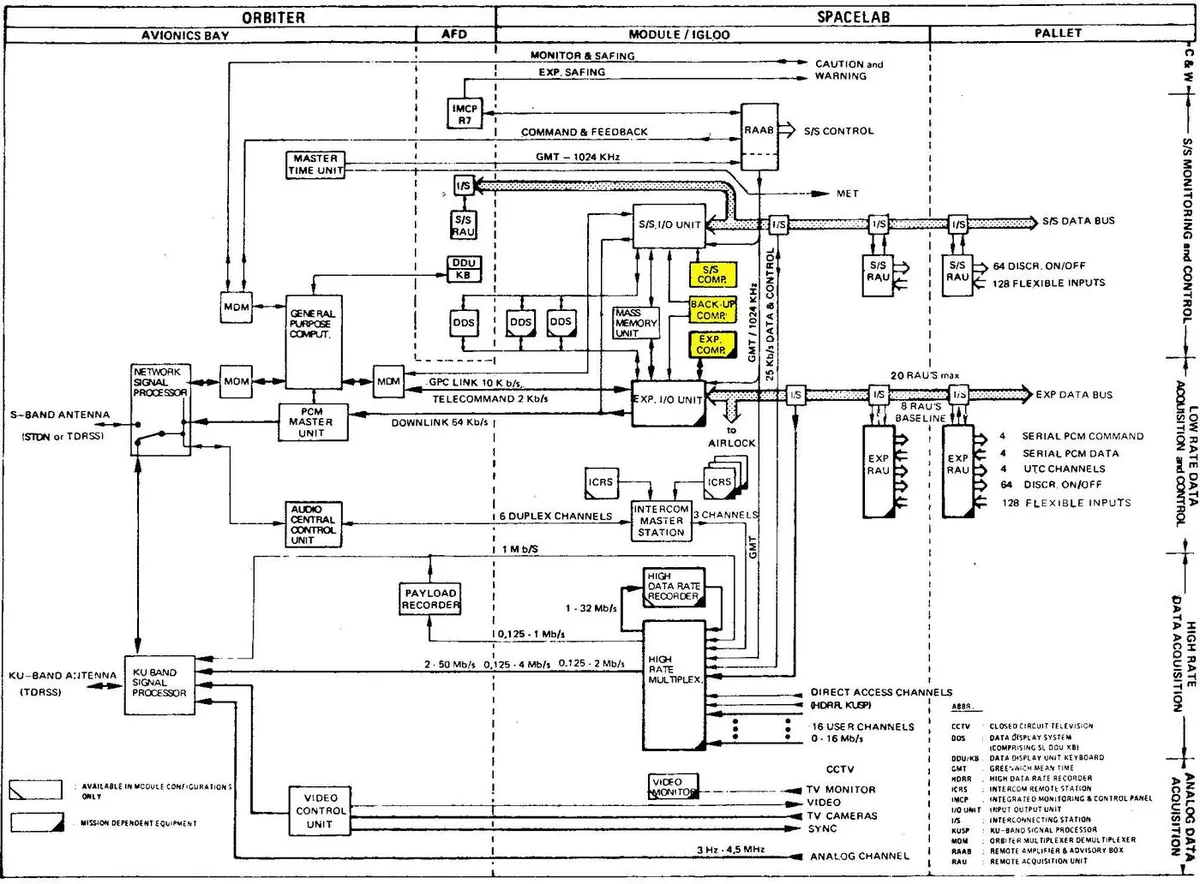
Each Spacelab mission operated with three Mitra 125 MS computers. The Subsystem Computer managed the overall Spacelab environment, the Experiment Computer handled experimental operations, and a Backup Computer provided redundancy to ensure mission safety and reliability [1, 2]. These machines formed the Command and Data Management Subsystem, which controlled the experiments and collected data for transmission or analysis [1, 2].
The integration of the French Mitra technology into NASA’s Spacelab program demonstrated international collaboration in space hardware, with the rugged and real-time capable minicomputers at the heart of mission control and experimental management.
Spacelab operations continued as part of the Shuttle program, utilizing this computing system for all phases of missions requiring onboard laboratory capabilities [1, 2].