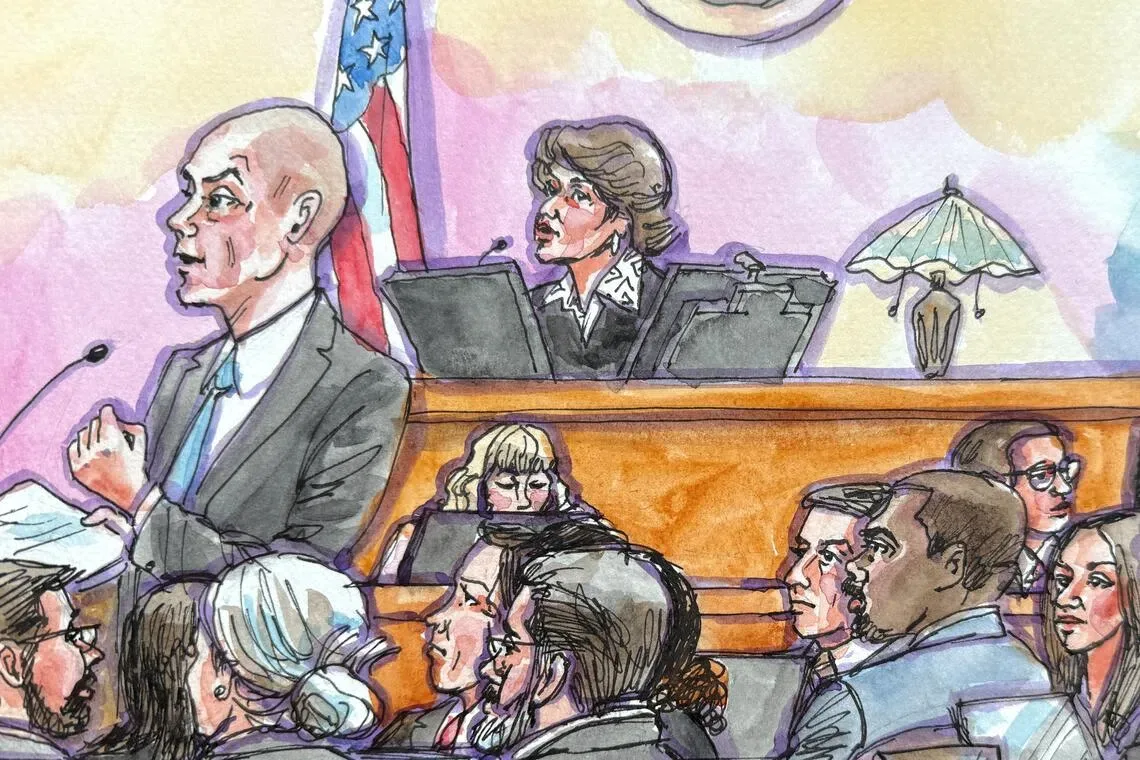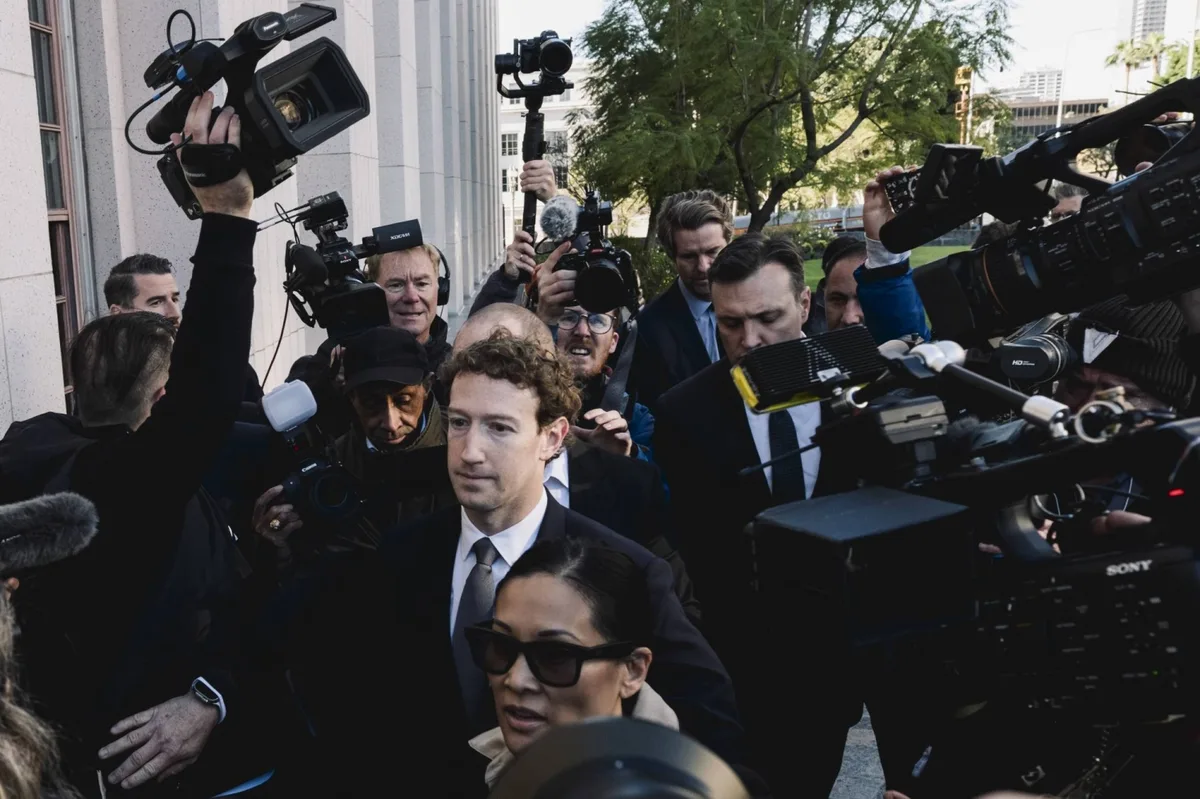
A bipartisan coalition of 29 US states sued Meta Platforms in 2023, accusing the company of designing Facebook and Instagram to hook children and teens, fueling anxiety and depression, and violating privacy laws by collecting data from children under 13 without parental consent [1, 2, 3]. The trial began on August 18, 2026, in federal court in Oakland, California, and is expected to last about six weeks [1, 2, 3].
The lead plaintiffs include California, Colorado, Kentucky, and New Jersey, spearheading the case against Meta [2, 3, 4]. State attorneys seek tens or potentially hundreds of billions of dollars in penalties, with some sources estimating damages around $200 billion and fines potentially reaching $1.4 trillion [5, 6, 7]. They also demand structural changes to Meta’s platforms, such as ending features like “like” counts and infinite scroll [1, 2].
California Deputy Attorney General Megan O’Neill accused Meta of business practices designed to "hook the users, hold them for as long as they can, harvest their data, and then hide the truth from the public." She added, "It worked especially well for kids. Meta needed kids, and it needed to reassure the people who cared about those kids that the kids are safe" [1, 2].
Meta denies the allegations, arguing it does not deliberately hook children or make its platforms addictive. Company lawyer Paul Schmidt said, "There can be no dispute that Meta has recognised people str...[some people face struggles], but research showed no clear link between social media use by adolescents and a lack of well-being." He added, "They don’t believe they’re going to do well if people don’t like their service" [1, 2]. Meta further stated that privacy laws prevent it from accurately verifying user ages or effectively blocking underage users [1, 8].
Internal Meta research introduced in court reflects mixed effects of Instagram on teens. About 1 in 5 teens say Instagram makes them feel worse, while 41% say it makes them feel better and another 41% say it has no effect [1, 8].
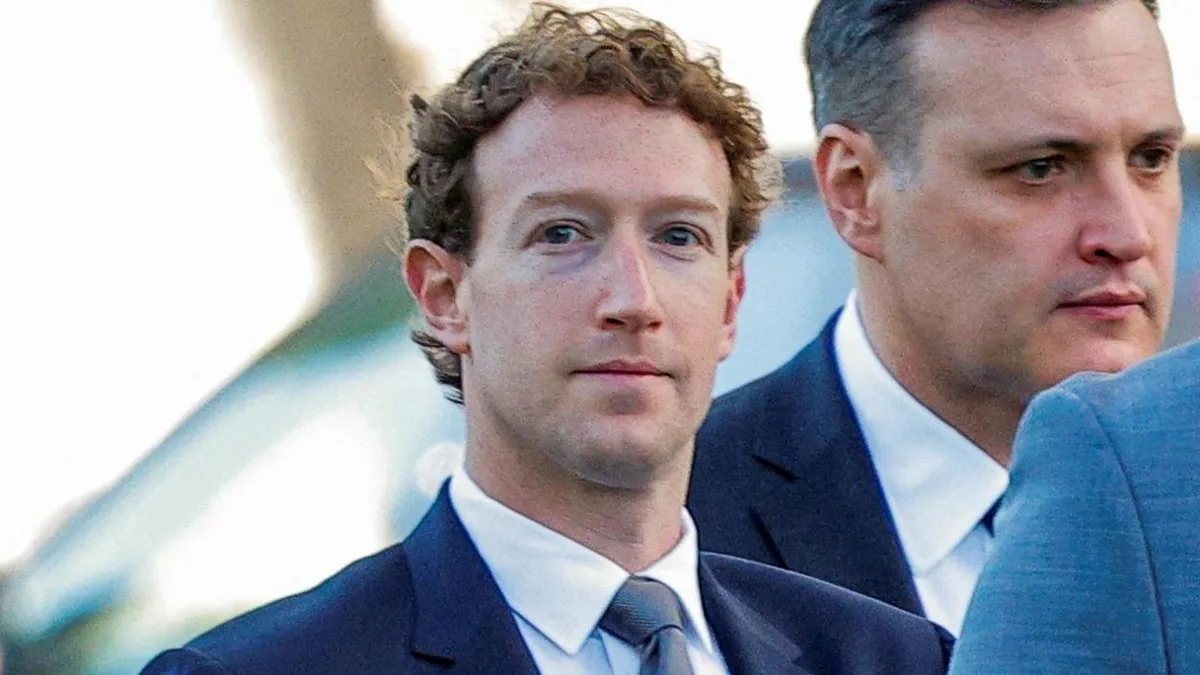
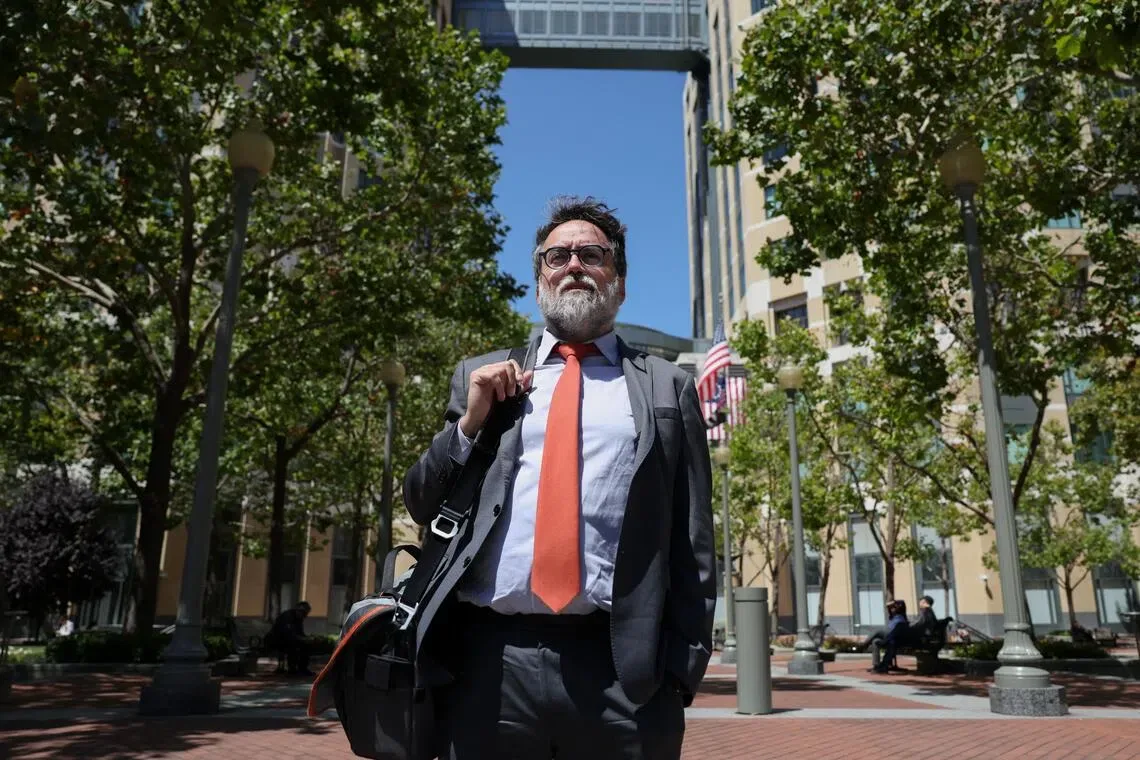
Former Meta engineering director Arturo Bejar testified on August 19, 2026, that CEO Mark Zuckerberg prioritizes growth and engagement over child safety. Bejar said, "If Mark makes something a priority, mountains move in months" and added bluntly, "You just cannot trust Mark Zuckerberg with kids." [4, 5]
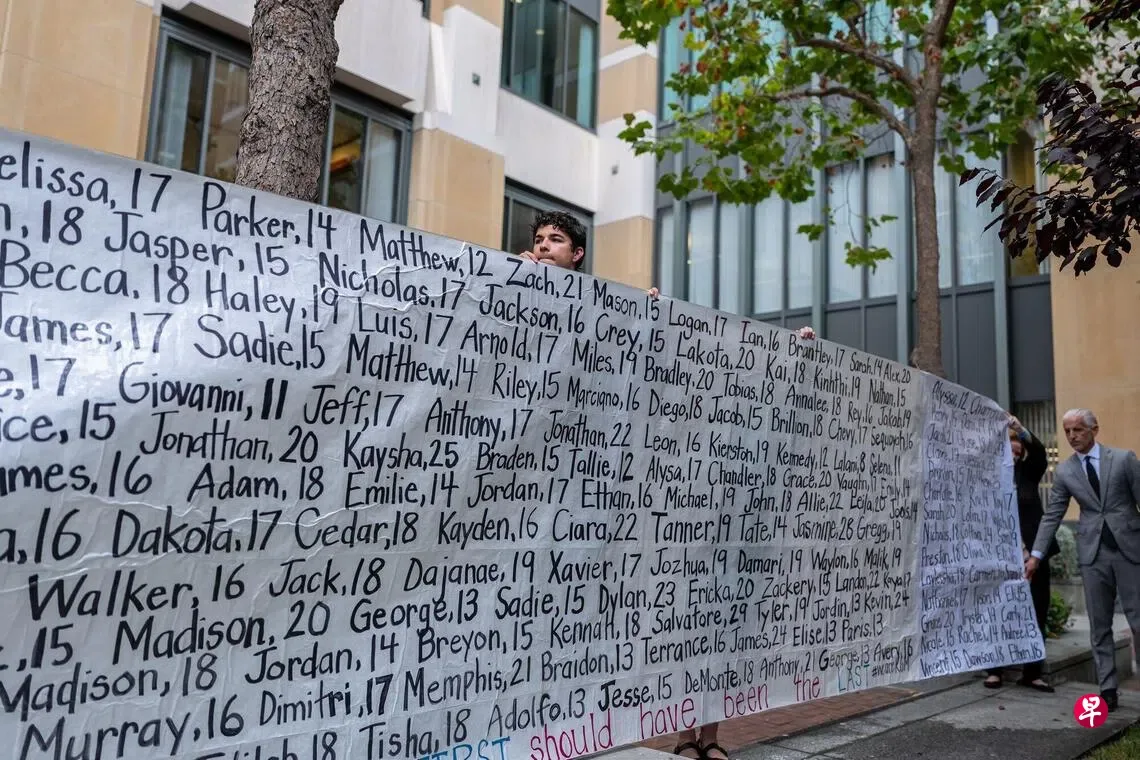
The states accuse Meta of misleading the public about Facebook and Instagram’s safety for children’s mental health [2, 3]. Some mothers protested outside the courtroom, blaming Meta CEO Zuckerberg and Instagram head Adam Mosseri for harms to their children [5]. Meta points to its 2024 launch of Instagram Teen Accounts, which introduced parental controls and features to limit contact with adults, as efforts to protect teens [9].
Judge Yvonne Gonzalez Rogers will decide whether Meta is liable and could impose civil penalties and order changes to the platforms if liability is found [2, 3]. The trial will continue over the coming weeks with testimony and evidence presentations scheduled.