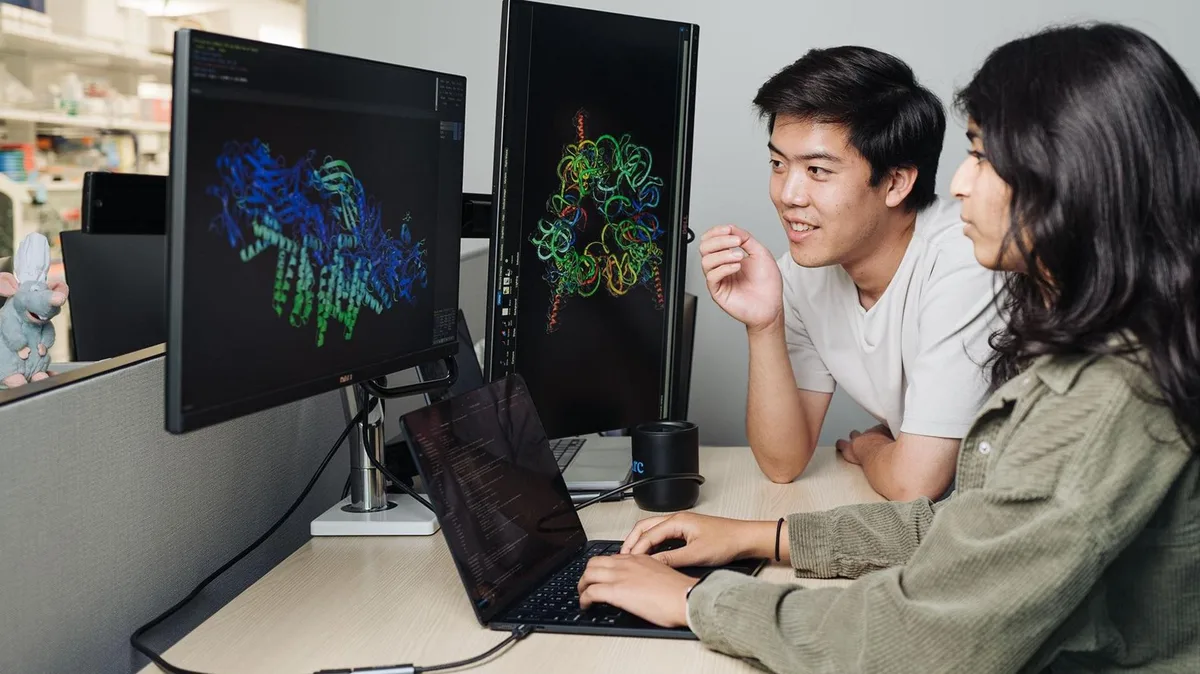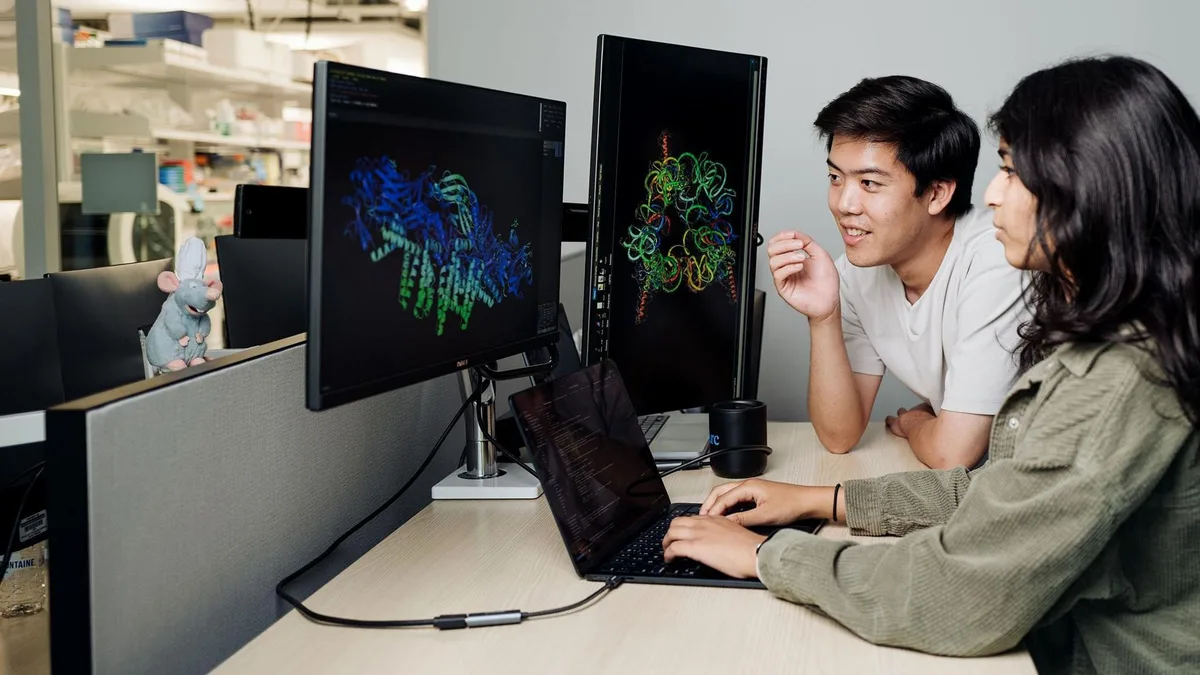
US researchers at Stanford University and the Arc Institute used generative AI models named Evo1 and Evo2 to design 302 novel viral genome sequences. Of these, 16 synthesized viruses proved fully functional bacteriophages capable of infecting and killing E. coli bacteria, including antibiotic-resistant strains [1, 2, 3, 4, 5, 6, 7, 8, 9]. The lab-created bacteriophages target only specific bacterial species and pose no threat to humans [1, 2, 3, 4].
The study, published in the journal Science on August 6, marks the first successful design of whole viral genomes from scratch by AI to produce infectious viruses in a laboratory setting [1, 2, 4, 5]. Brian Hie, assistant professor at Stanford, called it "a next step in the complexity that's designable by generative AI" and noted it was "new territory" for the team to create a complete genome that can replicate and function inside cells [1].
Evo1 and Evo2 operate like large language models but predict genetic code sequences — the 'language of life' — allowing researchers to create synthetic genomes with novel sequences absent from natural genomes [1, 2, 4, 10, 5, 6, 7, 8]. The experimental bacteriophage genomes contained approximately 5,400 base pairs, much smaller than minimal cellular genomes, highlighting current technical limits [2, 6].
Compared to natural bacteriophages, the AI-designed viruses demonstrated superior ability to kill E. coli, including strains resistant to antibiotics, suggesting potential for new therapeutic development [3, 4, 5, 9]. Researchers view this as a major scientific milestone for AI-assisted genome design to combat infections and genetic diseases [1, 2, 4, 5, 6, 7, 9]. Samuel King, a PhD student involved in testing, described seeing "clear spots" of bacterial destruction as "extremely exciting" [1].
The AI models were trained on millions of genetic codes from viruses, bacteria, plants, and humans but excluded data from human pathogens to reduce risk of creating harmful viruses infecting humans [1, 2, 4, 10, 5, 6, 7, 8, 9]. The team worked exclusively with bacteriophages in high-security labs and adopted safety measures to address biosecurity concerns [2, 6, 9].
Despite the therapeutic promise, experts warn of significant biosecurity and biosafety risks. Thomas Inglesby of Johns Hopkins University said, "The issue is no longer if generative viral genome design exists but how to ensure it is used without causing serious harm," while Moritz Hanke warned the technology could be used to engineer more transmissible or lethal viruses [2, 4, 6, 9]. Infectious disease specialist Isaac Bogoch highlighted the dual-edged nature: "AI-designed viruses could have some potential benefits... but that same ability... could easily become a serious biosecurity risk if applied to harmful pathogens." [3]
Marc Güell, professor of synthetic biology at Pompeu Fabra University, called the work "a very important turning point because for the first time in history, we start designing biology on a computer." [2, 6]
Worldwide media coverage began August 6-7, reflecting both enthusiasm for the breakthrough and urgency over safeguards [1, 2, 3, 4, 10, 5, 6]. Johns Hopkins experts stressed the need for strong regulatory frameworks and bans on applying this AI genome design technology to human, animal, or crop pathogens [2, 4, 6, 9].