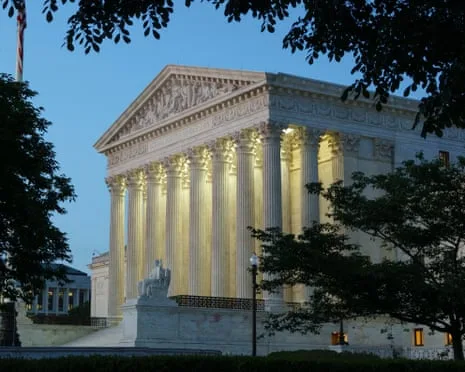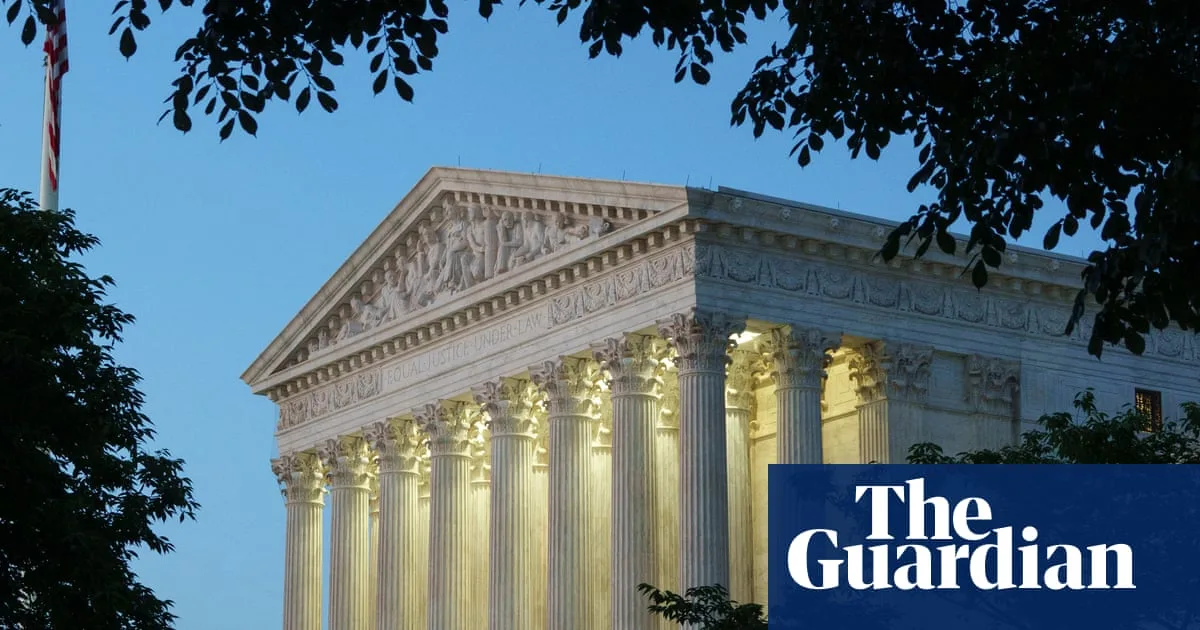
The US Supreme Court ruled 8-1 on June 4, 2026, to uphold the Federal Communications Commission’s system for levying fines against wireless carriers AT&T and Verizon for selling customers' real-time location data without consent [1, 2]. Chief Justice John Roberts, writing the majority opinion, said the FCC’s forfeiture orders "fit comfortably within the Supreme Court’s Seventh Amendment precedents." He explained that the orders do not settle the carriers' legal obligations or create an obligation to pay, since the government must prove its case to a jury if it sues to enforce the fines [2]. Justice Clarence Thomas was the sole dissenter [1, 2].
The fines originated after a 2018 FCC investigation revealed that several carriers, including AT&T and Verizon, unlawfully sold access to customer location data without user consent [2]. In 2024, the FCC imposed fines of $57 million on AT&T and nearly $47 million on Verizon, totaling $104 million combined [1, 2]. Additional fines were levied on T-Mobile ($80 million) and Sprint ($12 million), bringing total penalties on carriers close to $200 million [1].
Though both AT&T and Verizon paid the fines, they challenged the FCC’s internal forfeiture proceedings in court, arguing these violated their constitutional right to a jury trial [1, 2]. The appeals process produced conflicting outcomes, with the 5th Circuit overturning AT&T's fine and the 2nd Circuit upholding Verizon's, creating a split among circuit courts [2]. The Supreme Court’s ruling resolves this split, affirming the FCC’s authority under its forfeiture process.
Roberts' opinion stressed that the FCC's forfeiture orders do not constitute a final determination requiring immediate payment. Instead, carriers retain the right to seek jury trials if the government attempts to enforce the fines through lawsuit [1, 2].
The Supreme Court’s ruling clears the way for the FCC to continue imposing fines through its administrative processes, subject to constitutional protections for jury trials in enforcement actions.