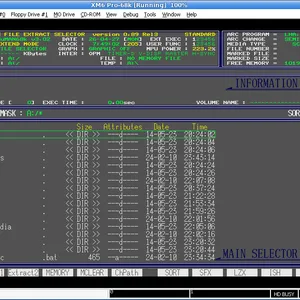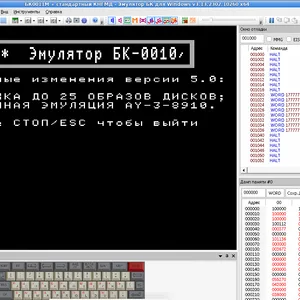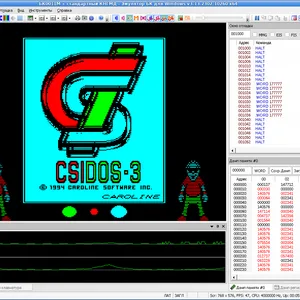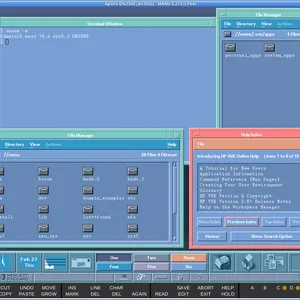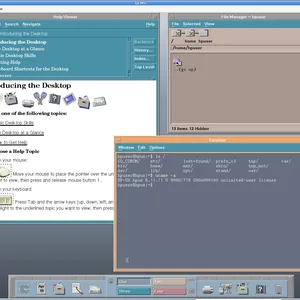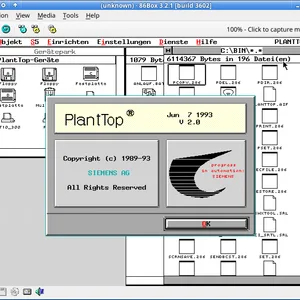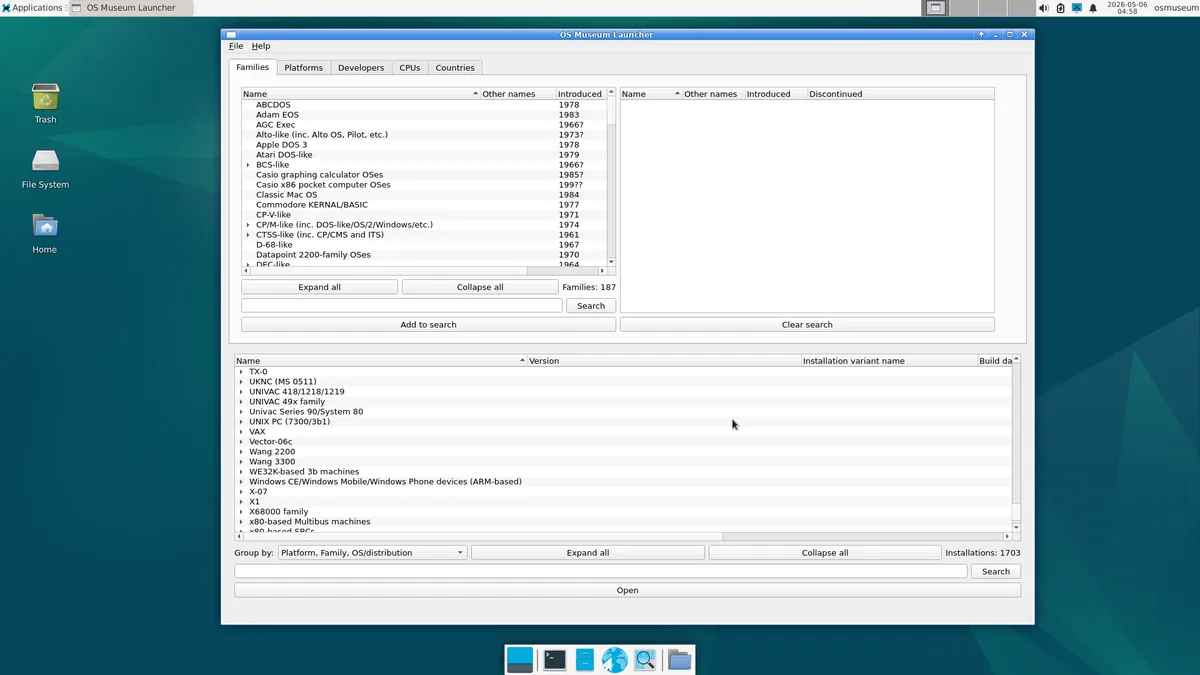
The Virtual OS Museum opened to the public, offering a virtual archive of operating systems running in emulation on Linux virtual machines compatible with QEMU, VirtualBox, and UTM [1, 2]. The museum includes a custom launcher designed to work independently of emulators. It comes pre-installed and pre-configured with a wide selection of operating systems and emulators, as well as snapshot features and hypervisor installers for Windows, macOS, and Linux [1, 2].
The collection spans a vast range of platforms, dating back to the Manchester Baby computer of 1948. It encompasses early mainframes, minicomputers, Unix variants, home computers, personal computers, mobile systems, embedded devices, and rare or research operating systems [1, 2]. The archive contains over 1,700 installs, covers more than 520 hardware platforms, and includes upwards of 570 distinct operating systems [2].
Users can choose between two versions of the museum. The full offline edition is available as a 121GB zipped download. A smaller 14GB zipped "lite" version downloads system images on demand to save initial disk space [2].
The Virtual OS Museum aims to preserve the history and diversity of operating systems through accessible virtual emulation environments that function on modern computers across multiple host platforms [1, 2].