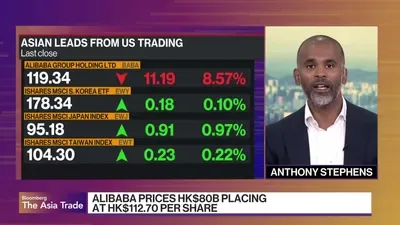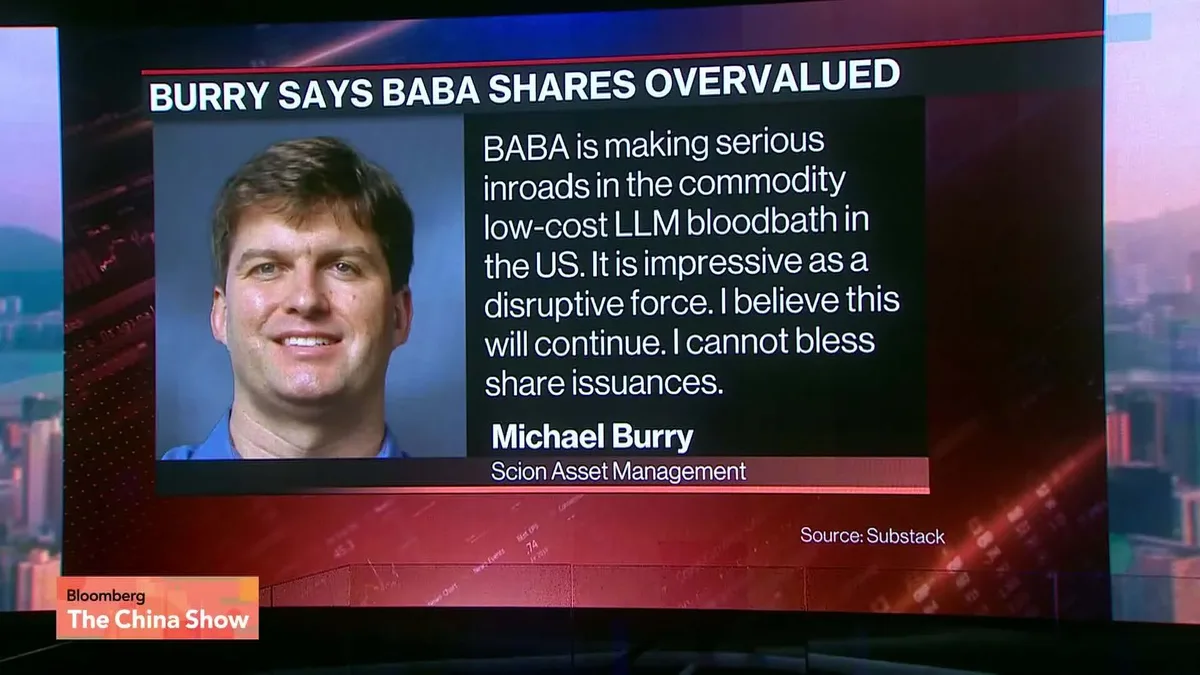
Alibaba raised HK$80 billion (about US$10.2 billion) through a secondary share sale in Hong Kong, issuing 710 million new shares at HK$112.70 each, an 8.4% discount to the previous close on August 24 [1, 2, 3]. The shares were priced at a 3.6% discount compared to Alibaba’s New York-listed shares and represent roughly 3.7% of the company’s 19.17 billion total outstanding shares [2, 3]. This offering is the largest primary follow-on by a Hong Kong-listed company ever and the third-largest globally so far this year after Alphabet and Intel [2, 4].
The share sale attracted strong investor demand, generating orders totaling US$28 billion, which included about US$6 billion from long-only and sovereign wealth funds [5]. Despite the strong orders, Alibaba’s Hong Kong-listed shares dropped between 8% and 10% immediately following the announcement, marking their biggest decline since April 2025 [2, 3, 4]. Some investors voiced concerns about dilution and the company’s ability to compete outside its traditional e-commerce strength, with analyst Yang Tingwu stating, "Alibaba’s DNA is in e-commerce, not advanced tech. No matter how much it invests in AI hardware, it will likely be outmanoeuvered by competitors in tech innovation" [5].
Alibaba plans to allocate all of the share sale proceeds toward developing artificial intelligence, including investments in chips, AI infrastructure, and AI models [2, 3, 6]. The company has pledged to invest 380 billion yuan (US$56.5 billion) over the next three years to advance AI capabilities from chipmaking to large-language models [2, 7]. CEO Eddie Wu explained the strategy, saying, "In order to be able to capture that future growth, we first need to make these capex investments to build out the necessary compute capacity" [4].
The company’s recent quarterly results showed a 75% year-on-year net profit decline, mainly due to increased AI-related spending, but Alibaba has accelerated its expected payback period for AI investments to 2.5 years, down from 3 years, citing strong demand [2, 4].
Following the share sale, chairman Joe Tsai purchased an additional 720,000 Hong Kong-listed shares for about HK$82 million, and together with CEO Eddie Wu, they bought over HK$200 million worth of shares in total between August 24 and 25 [8, 9]. Alibaba founder Jack Ma also increased his holdings by more than HK$600 million in shares after the sale, signaling confidence in the company’s AI prospects [8, 9].
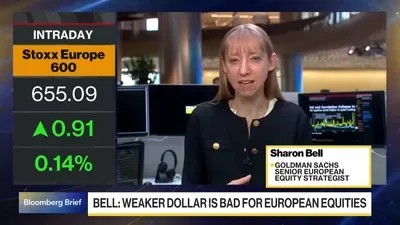
Alibaba’s capital raise puts it alongside major US tech players conducting large funding rounds this year, with law professor Winston Ma noting, "Alibaba’s placement – landing alongside massive capital raises by Alphabet and Intel in the US – proves that American and Chinese tech giants are operating off the exact same strategic playbook" [5].