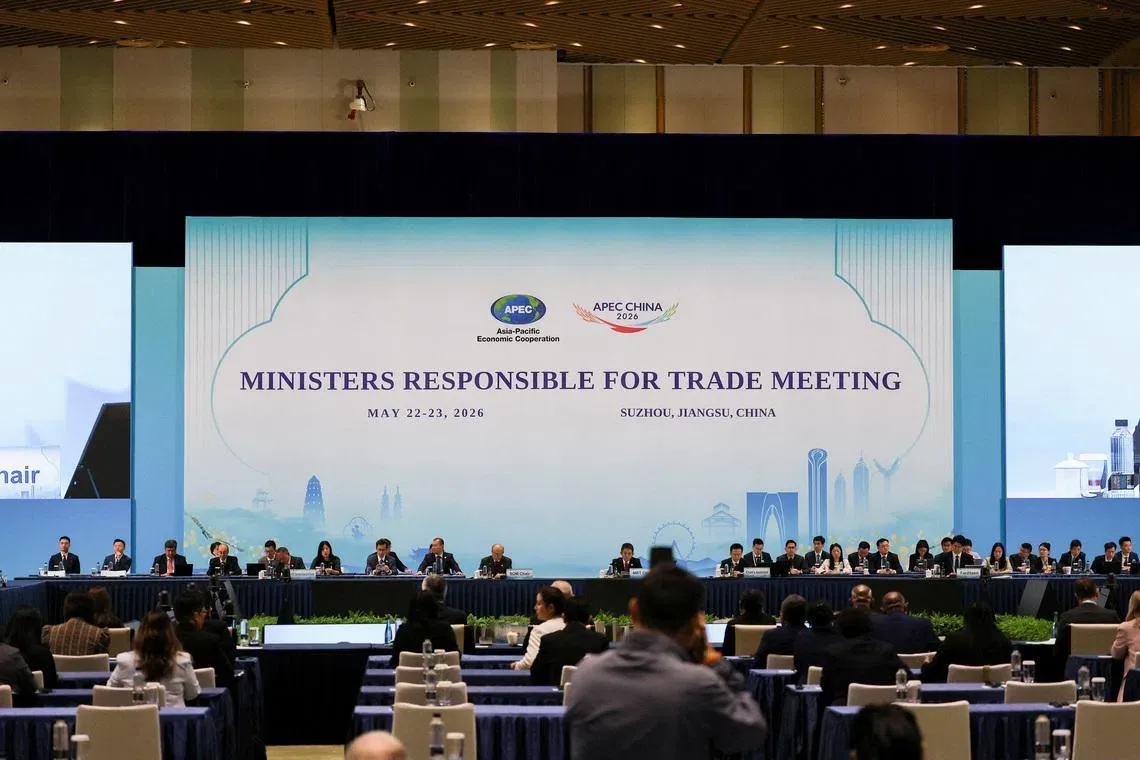
The 2026 APEC Trade Ministers Meeting opened on May 22 in Suzhou, China, bringing together key trade officials to address trade cooperation, supply chains, and digital trade across the region [1]. The meeting followed a high-profile Beijing summit earlier in May between U.S. President Donald Trump and Chinese President Xi Jinping, setting the backdrop for discussions [2, 1].
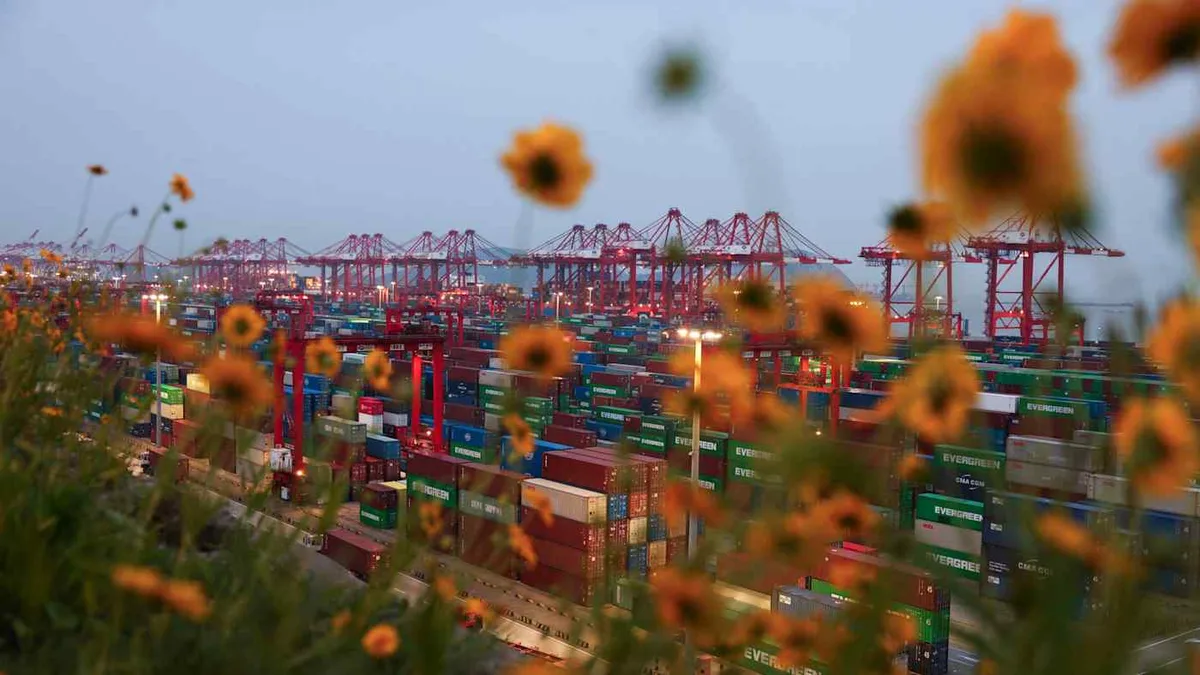
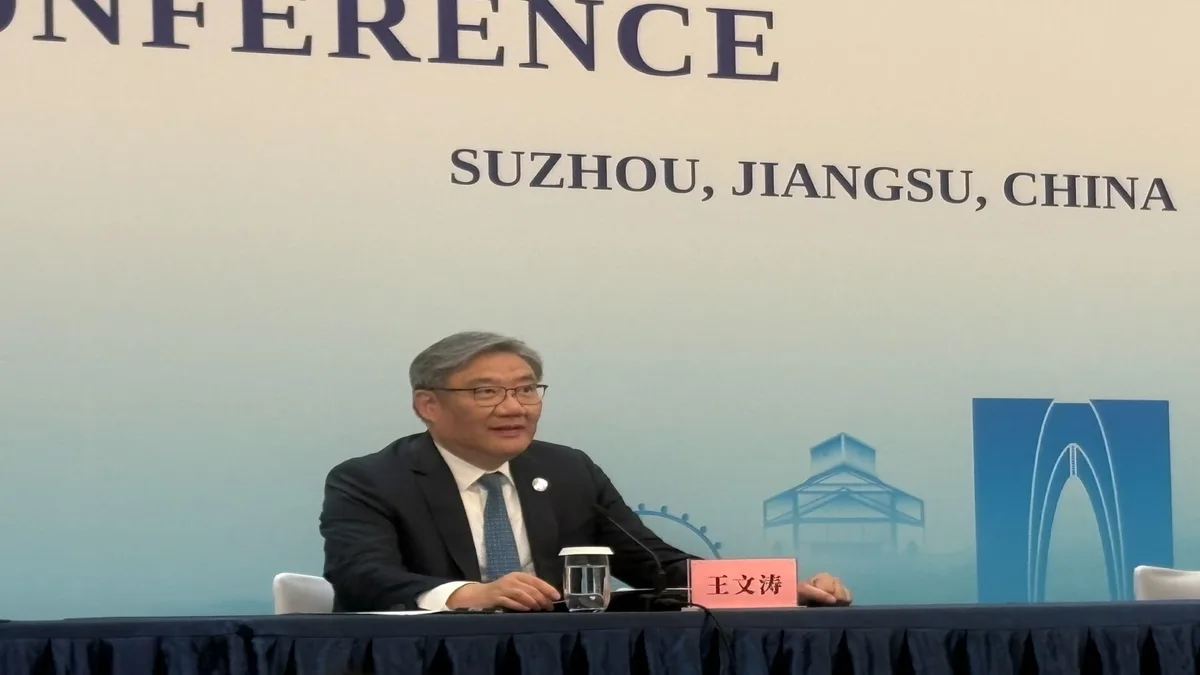
China emerged early in the talks with a record trade surplus nearing US$1.2 trillion for 2026, highlighting ongoing trade imbalances in the region [1]. China’s Commerce Minister Wang Wentao told reporters on May 23 that confirming the vision for a Free Trade Area of the Asia Pacific (FTAAP) remained a key outcome of the meeting. He noted that amid increasing global economic uncertainties, members renewed commitment to advancing economic integration through the FTAAP agenda [3, 4, 5]. Wang said, "In the context of rising uncertain and destabilizing factors in global and regional economic development, members redirected their attention to the FTAAP with commitment to continuing advancing economic integration through the FTAAP agenda."
U.S. officials expressed caution toward FTAAP, viewing it more as a process than a finished agreement. Casey K. Mace, U.S. Senior Official to the APEC Forum, said, "FTAAP, is really, it's more an agenda than it is a kind of destination. The U.S. has been active in elements of FTAAP such as competitiveness, labor standards and trade facilitation" [3]. Mace also highlighted the U.S. goal "to position American technology and digital companies as the global leader," reflecting efforts to boost U.S. influence in digital trade and AI [4].
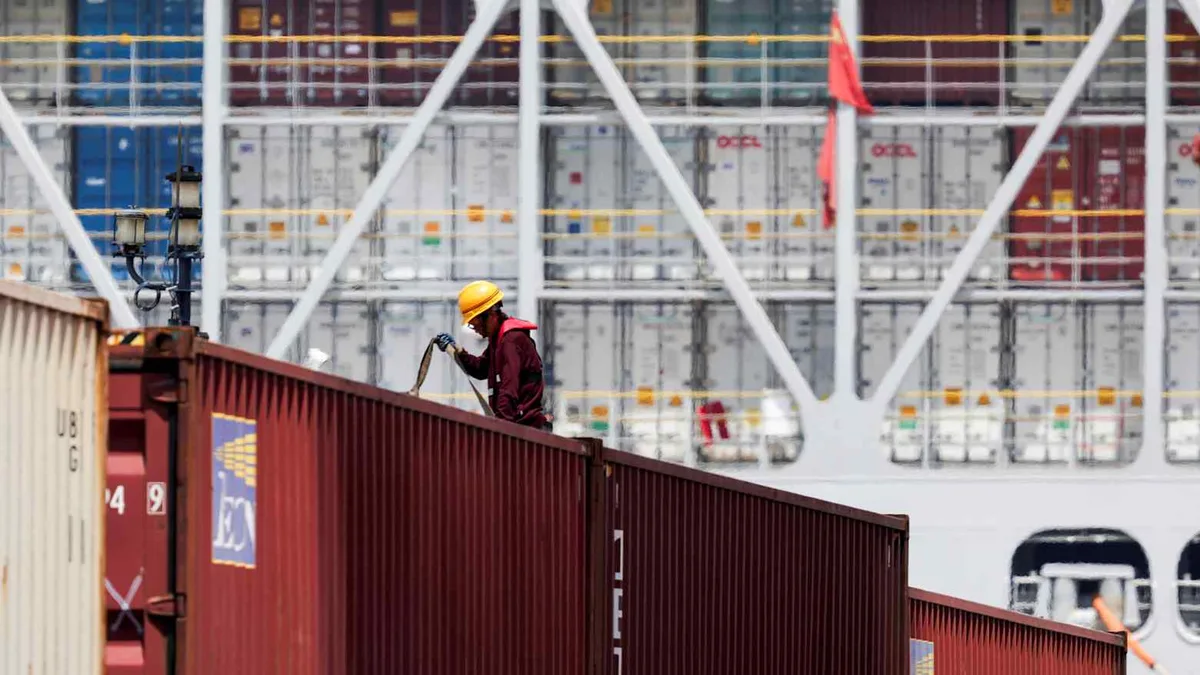
Trade tensions continued as the two sides remained split on tariffs. China committed to purchasing 200 Boeing airplanes and $17 billion annually in U.S. agricultural products through 2028, a key part of the Trump-Xi accord. However, China said tariffs will remain lower for longer, supporting freer trade, while the U.S. favored trade protections and maintained its tariff policies [3, 4, 5].
The meeting underscored intensified competition between the U.S. and China for AI leadership and digital trade dominance in Asia-Pacific. China aims to expand e-commerce and AI trade exchanges in the region, while the U.S. will promote its tech firms at a planned APEC Digital Week in Chengdu in July 2026 [4, 5].
China's international trade representative Li Chenggang said, "The more turbulent the times, the more we must adhere to seeking common ground while reserving differences, working together to overcome difficulties, striving to reach more consensus, leading the Asia-Pacific economy through the crisis and injecting confidence into the global economy" [1].
The meeting will be followed by the APEC Digital Week event in Chengdu in July, focusing on digital trade and AI cooperation [4, 5]. Meanwhile, officials from both sides acknowledged the need to finalize economic details from the Trump-Xi summit but gave no concrete timeline for implementing "constructive strategic stability" agreements [3, 4, 5].