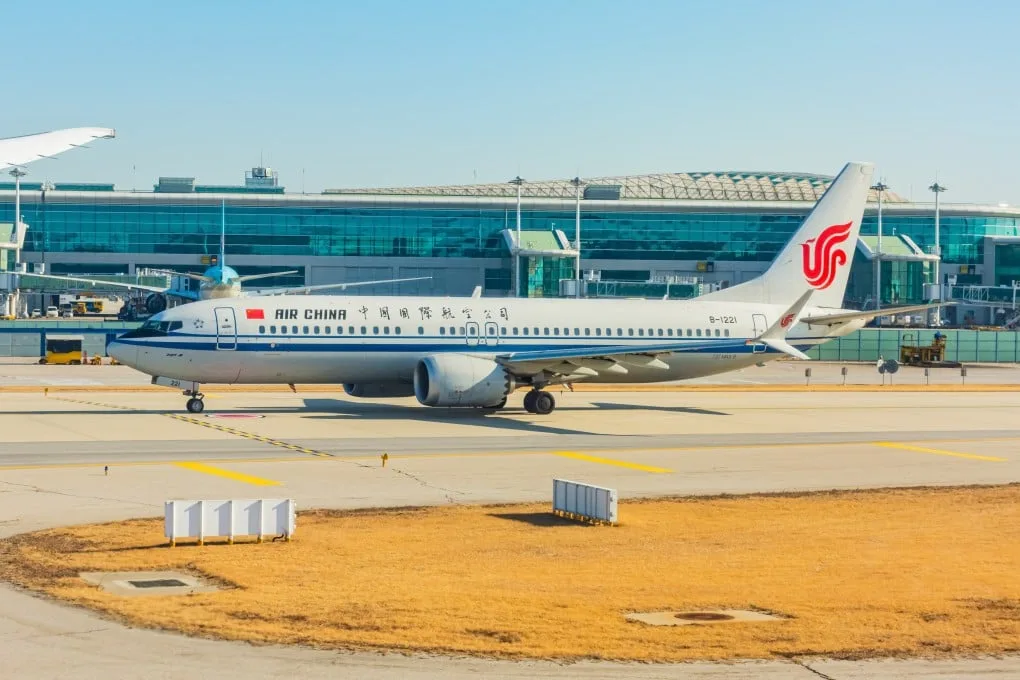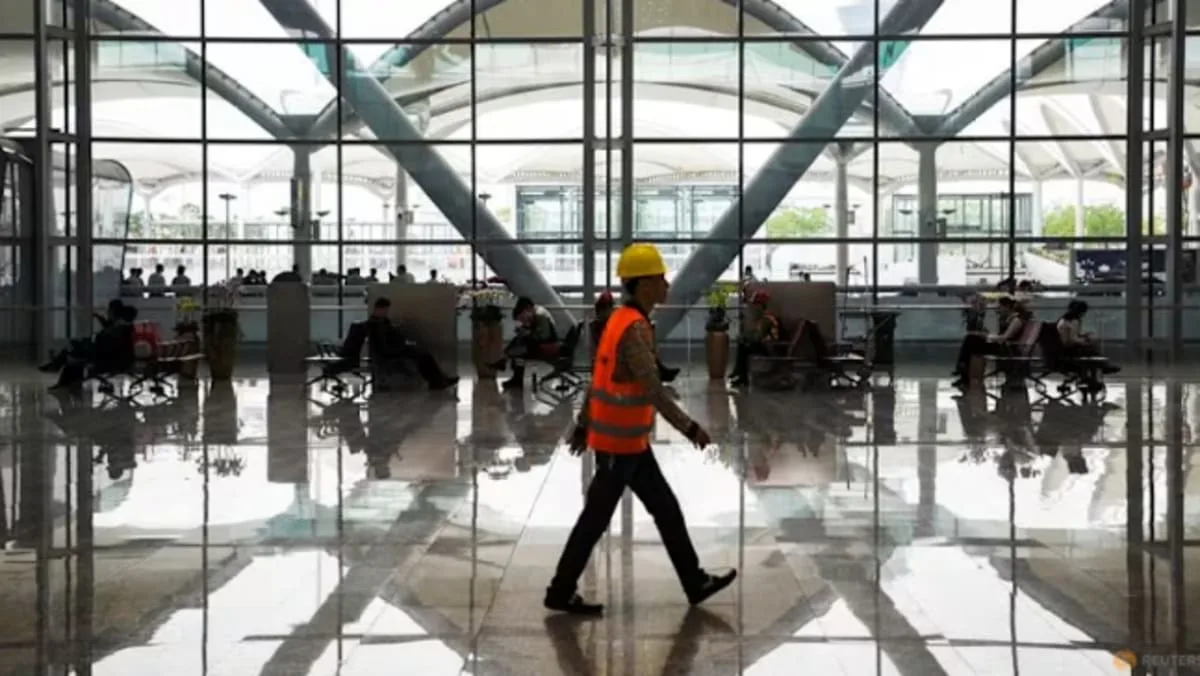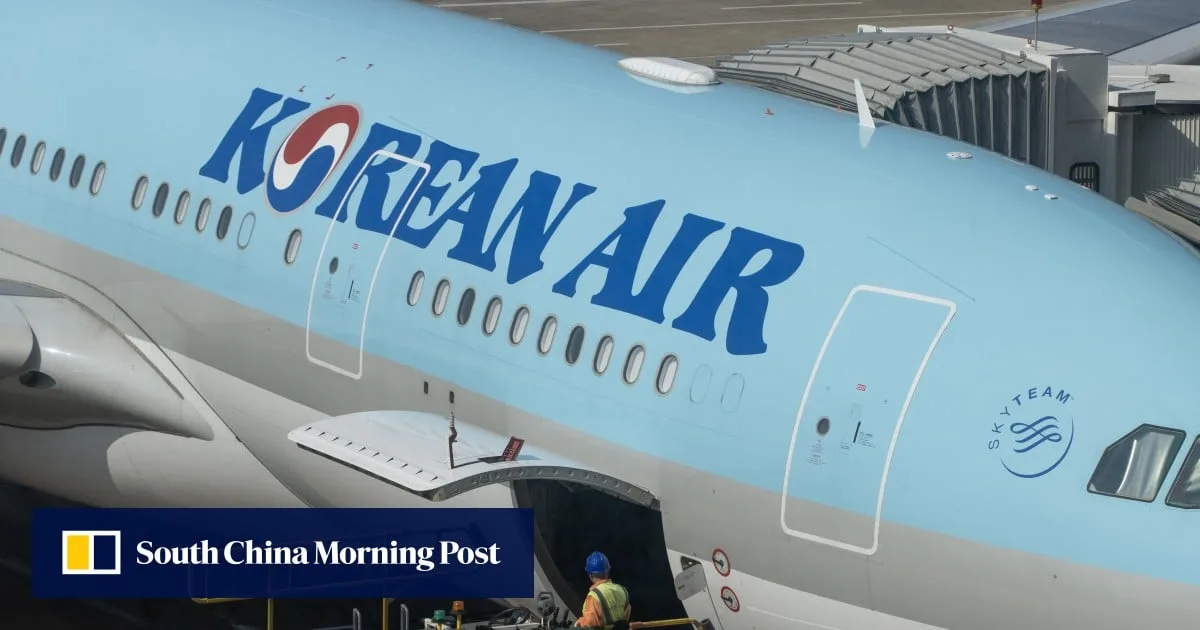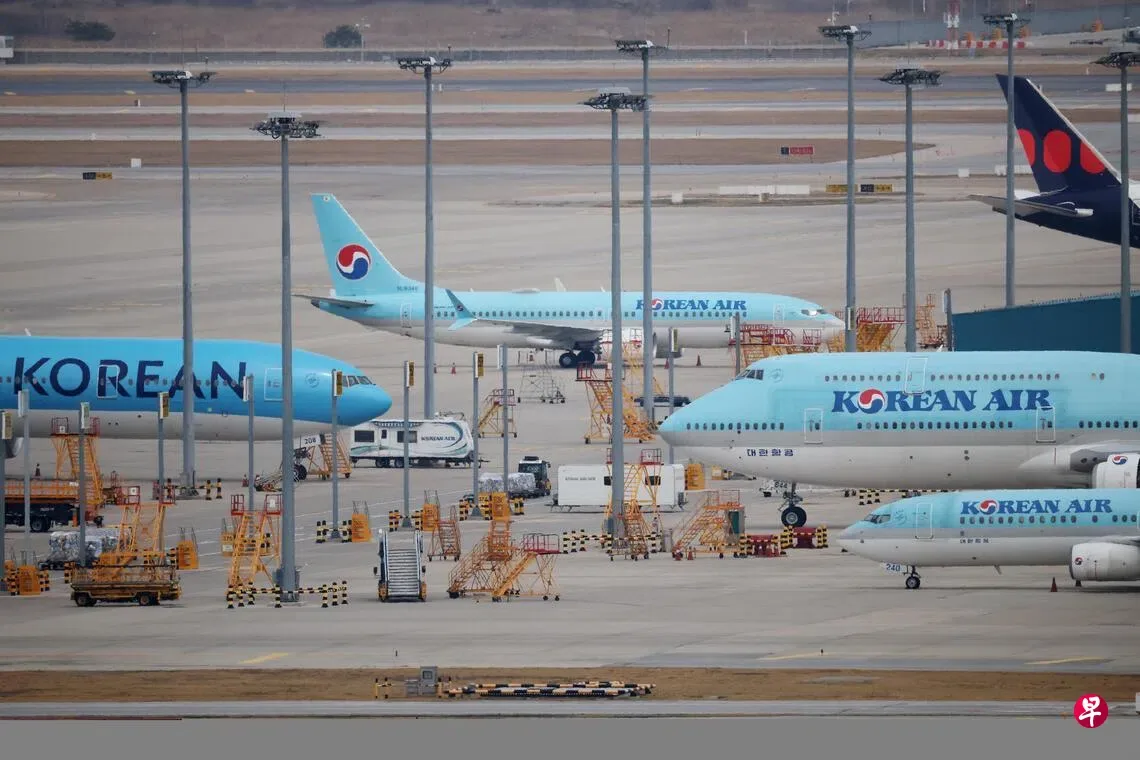
China and South Korea agreed to increase weekly passenger flight rights from 608 to 664 and freight flights from 54 to 68. The decision came after bilateral aviation talks held in Seoul on May 27-28, 2026, marking the first expansion of flight rights since 2019 [1, 2, 3, 4].
The new rights include an increase of 7 weekly passenger flights from Incheon to each of Beijing, Shanghai, Guangzhou, Dalian, Chengdu, and Harbin, totaling 42 additional flights. Flights from Korean regional airports such as Busan and Cheongju to 10 major Chinese cities including Guangzhou, Chongqing, Shenzhen, Chengdu, and Xi’an will increase by 14 weekly flights [1, 2, 3, 4]. Freight flights between four major Chinese cargo airports—Tianjin, Zhengzhou, Ezhou, and Hefei—and Korean airports will rise by 14 weekly flights [1].
Passenger traffic between the two countries in the first quarter of 2026 reached approximately 4.39 million, surpassing pre-pandemic levels of 4.14 million. China was the largest source of inbound travelers to South Korea with 1.4 million visitors, while South Korean visitors to China hit 2.66 million, a 24.1% year-on-year increase [1, 5, 2, 3, 4].
Lee So-young, head of aviation policy at South Korea’s Ministry of Land, Infrastructure and Transport, said the expanded flight rights will "help attract more Chinese tourists to South Korea, improve travel convenience for Koreans visiting China, and promote import-export businesses. It will also support Korean airlines expanding their presence in China and contribute to economic vitality" [3, 4].
South Korea’s Ministry of Land, Infrastructure and Transport will allocate the new flight rights to Korean carriers and support the increased flights during the second half of 2026 [1].