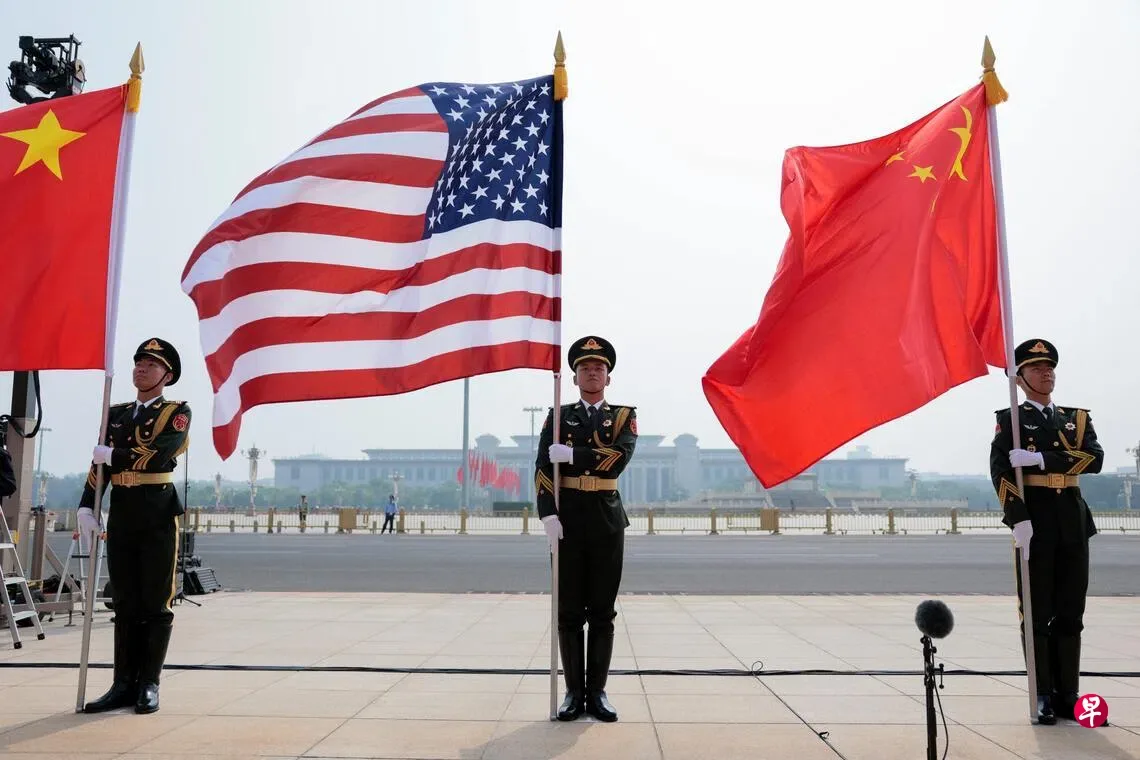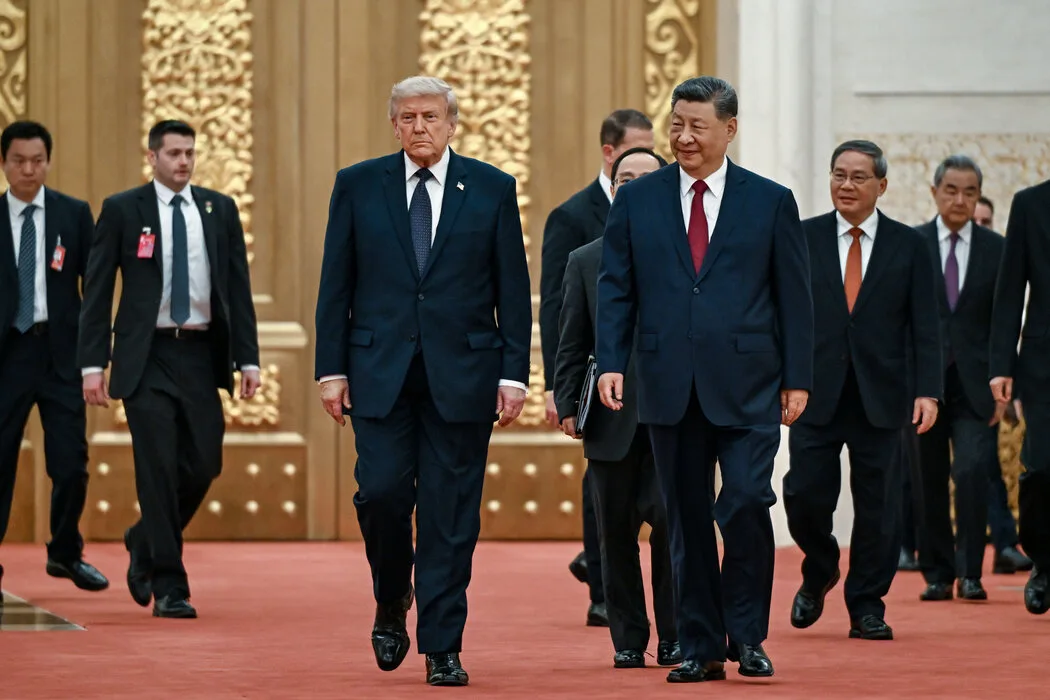
China has officially confirmed it will purchase 200 Boeing aircraft on commercial terms, with the US agreeing to supply sufficient engines and parts, Chinese officials announced on May 20 [1, 2, 3, 4, 5]. This deal comes as part of broader US-China trade discussions held during President Donald Trump's visit to Beijing from May 13 to 15, including a summit with Chinese President Xi Jinping on May 14 [1, 2, 3, 4].
The two countries reached a preliminary consensus to discuss reciprocal tariff reductions on goods worth $30 billion each or more, according to multiple sources [1, 2, 6, 7, 8]. US Treasury Secretary Janet Yellen said, "We will start with a number. I believe the first number will be roughly $30 billion each, and then both sides will gradually expand the scale" [6].
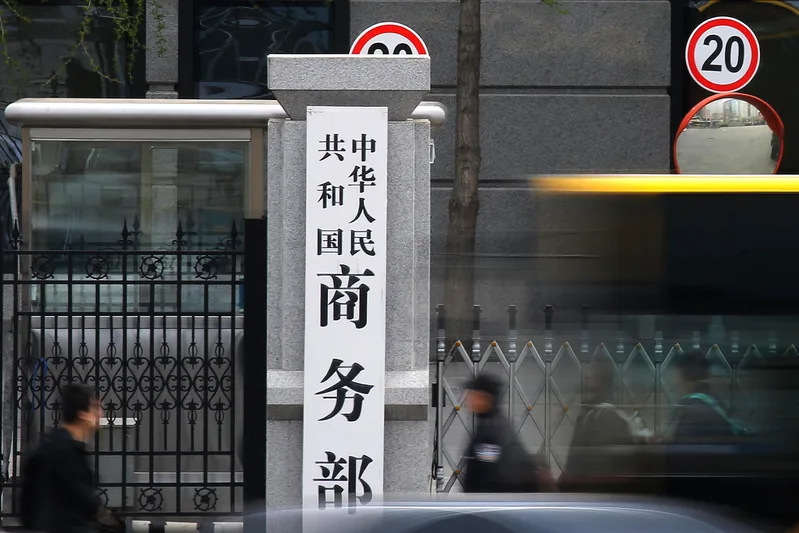
Despite President Trump stating he did not discuss tariffs during the talks—"we didn’t discuss tariffs"—the Chinese Commerce Ministry said the discussions included deep communications on tariffs. Chinese official Wang Dan said, "This reflects China's bottom line: tariffs cannot be raised. Trump tried to downplay the matter. If tariffs are indeed raised, China will likely retaliate" [1, 9].
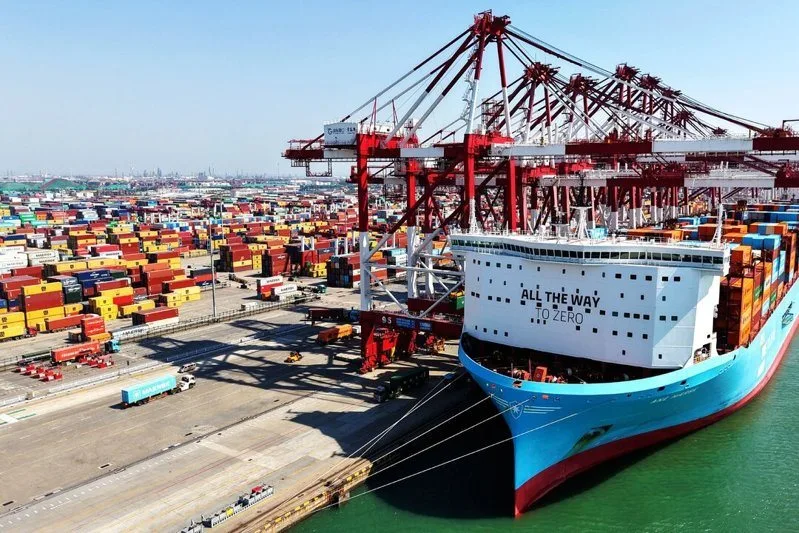
In addition to the Boeing purchase, China agreed to expand agricultural market access and has restored registration for some US beef exporters. The US pledged to reduce non-tariff barriers on Chinese agricultural goods, with China committing to buy at least $17 billion in American agricultural products from 2026 to 2028 [1, 2, 3, 6, 7, 8].
China continues to regulate rare earth and critical mineral exports, reviewing civilian applications but maintaining military-related restrictions [1, 2, 3, 6, 7, 8]. Both nations agreed to form government-level trade and investment councils to manage communication and disputes [2, 3, 6].
The existing tariff truce arrangement, reached in Kuala Lumpur in October 2025, remains in effect until November 10, 2026, with efforts underway to extend it [1, 2, 3, 6, 7, 4, 10, 5].
President Trump indicated after the summit that China’s total Boeing aircraft purchase could eventually reach 750 planes, though the initial confirmed order stands at 200 [7, 11, 8, 10].
Prior to the summit, US and Chinese economic teams met in South Korea from May 12 to 13 to prepare for the leaders’ talks [1, 2, 3, 4]. The next key deadline is the tariff truce expiration on November 10, 2026, for which both sides aim to negotiate an extension.