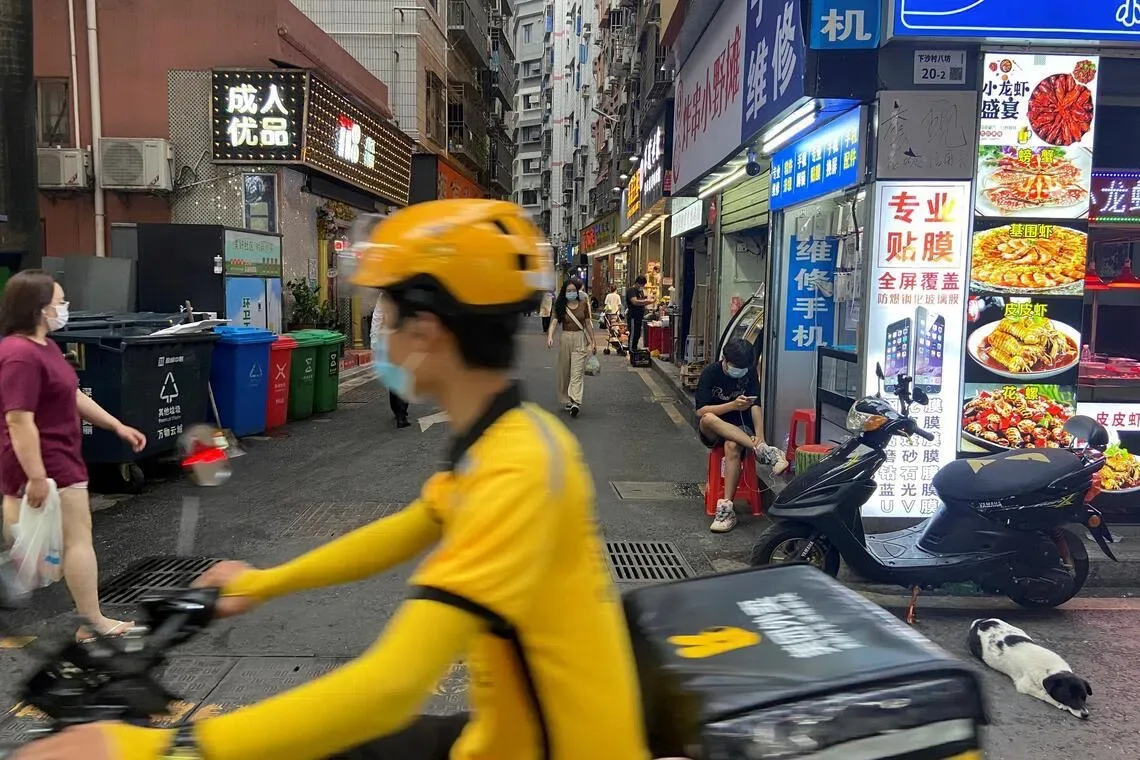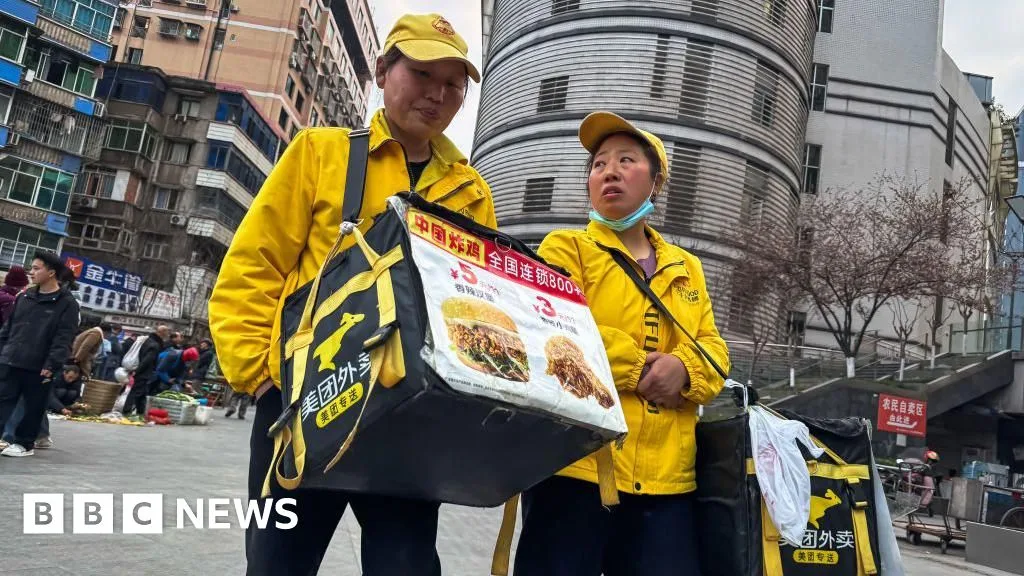
China implemented new regulations on June 1, 2026, requiring all food delivery merchants to have physical shopfronts and to clearly indicate if they do not offer dine-in services [1, 2, 3]. The rules target so-called "ghost kitchens," which are restaurants existing only online without physical stores, often using fake or rented business licenses and outsourcing orders to third-party vendors [1, 2, 3, 4, 5].
Authorities uncovered 67,000 ghost shops across seven major food delivery platforms and traced 3.6 million cake orders related to ghost kitchens on two order-transfer platforms [1, 4, 5]. In April 2026, the State Administration for Market Regulation (SAMR) imposed fines totaling 3.6 billion yuan (roughly $530 million to $680 million) on seven major e-commerce platforms including Taobao, JD.com, Meituan, and Pinduoduo, citing violations largely tied to ghost deliveries [1, 2, 3, 4, 5].
New rules require platforms to review merchants at least every six months and hold platforms more accountable for food safety. Serious violations may lead to fines of one to ten times the platform’s annual revenue [2, 3]. Merchants themselves face maximum fines of 200,000 yuan for violating regulations [2, 3].
Sun Huichuan, SAMR Director of Food Safety, said, "Food delivery platforms... cannot simply collect commission without taking responsibility, and cannot only focus on traffic while neglecting quality. Food delivery platforms must truly assume the primary responsibility of being ‘gatekeepers’ of food safety in the food delivery industry" [2]. However, an anonymous employee at a delivery app cautioned, "If we're too strict in our review, the merchants would go to other platforms" [1].
Some merchants classified as "transparent kitchens" have begun live-streaming food preparation to reassure consumers. Over 20 such stalls were operating in Hangzhou as of early June 2026 [2, 3, 4, 5].
The crackdown followed a late-2025 complaint from a Beijing customer whose cake contained inedible flowers. This triggered investigations that exposed extensive ghost kitchen supply chains [1, 4, 5].
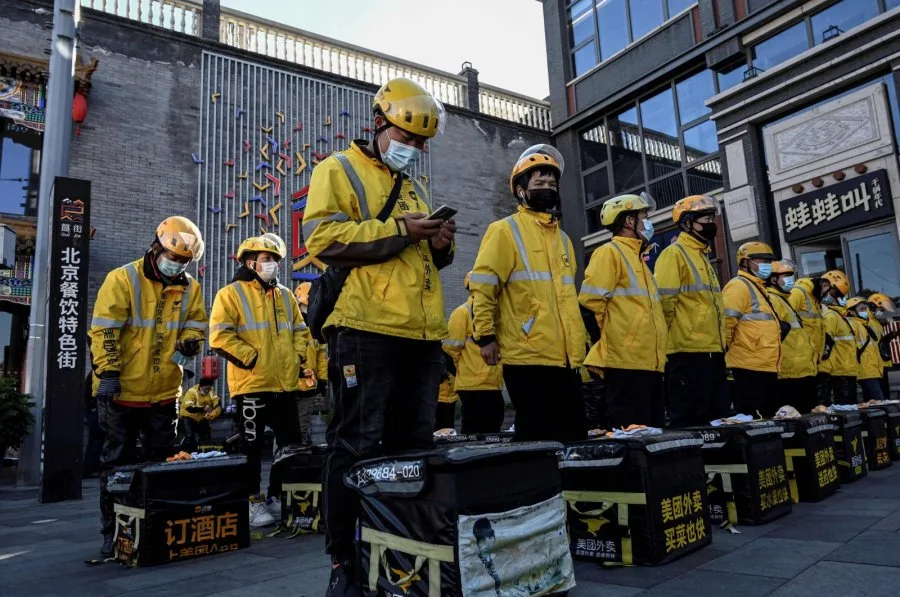
Competition among food delivery platforms remains fierce, fueling price wars that strain delivery riders and have drawn government warnings [1, 4, 5]. In Anhui province, authorities have recruited delivery riders as whistleblowers and signed food safety agreements with platforms. They also use AI models to monitor kitchens [4, 5].