China became the largest passenger car supplier to Australia in April 2026, delivering almost 36,000 vehicles compared to about 29,000 from Japan, marking a clear lead in imports for the first time [1, 2, 3, 4]. Over the first four months of 2026, Australia imported more than 100,000 cars from China, a 51% increase year-on-year [1, 2, 3, 4].
Electric vehicles accounted for a significant share of these imports. More than 40,000 of the Chinese passenger cars arriving in Australia were EVs, as demand for electric and hybrid vehicles surged amid rising gasoline prices triggered by conflict in Iran in March and April [1, 2, 3, 4]. In May 2026, electric vehicles and hybrids made up nearly half of all car sales in Australia, reflecting changing consumer preferences [1, 3, 4].
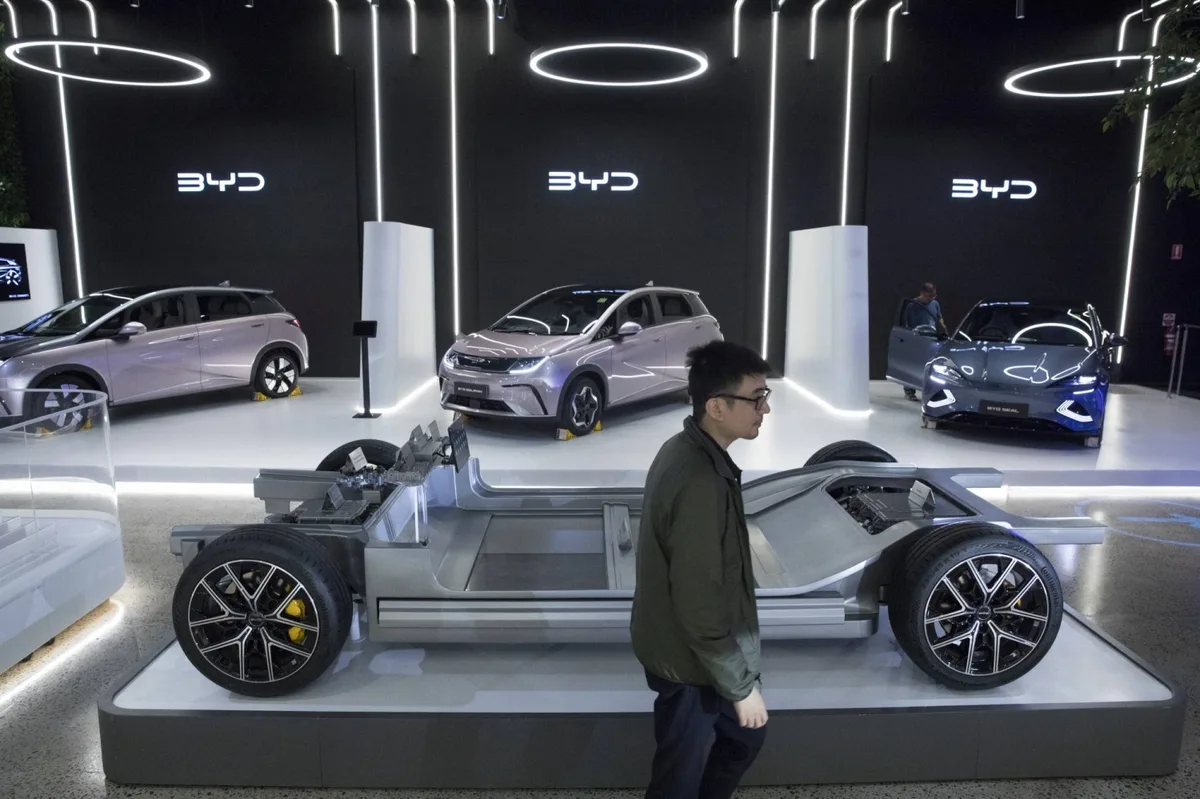
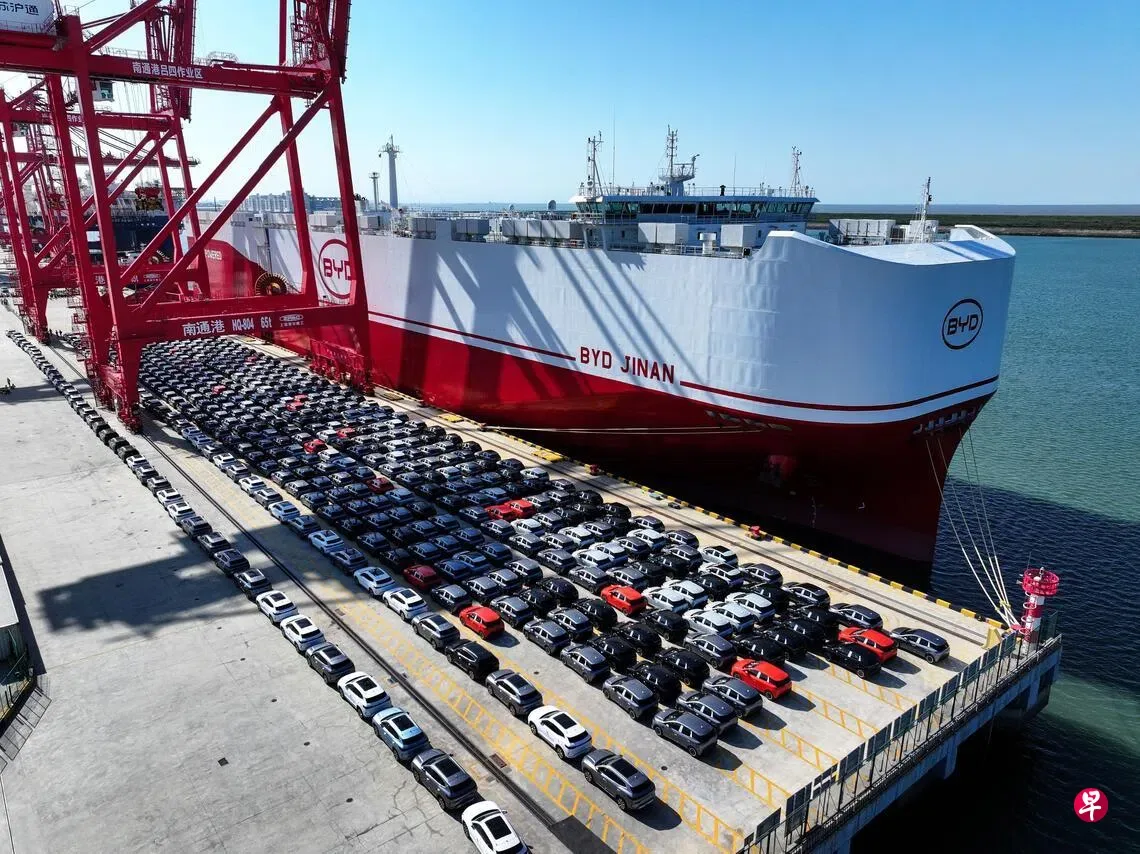
Among Chinese brands, BYD emerged as the second largest car brand in Australia, more than doubling its market share in one year, although Toyota continued to be the largest single brand overall [1, 3, 4]. In June 2026, BYD used its own car-carrier vessel, the BYD Zhengzhou, to ship nearly 5,000 EVs to Australia, docking first in Melbourne and later near Sydney [1, 3].
Car imports rebounded 25% from March to April 2026, lifting Australia’s total import value to a record A$45.4 billion (S$42 billion) in April. Fuel imports also rose significantly, nearing A$9 billion that month, over double the previous year’s figure [3].
The rising imports of Chinese cars surpassed Japan’s consistently for the first time in April 2026, with no disagreement on import figures from multiple sources, confirming a notable shift in Australia’s vehicle supply market [1, 2, 3, 4]. Australia’s automotive landscape is now increasingly influenced by Chinese manufacturers, particularly in the electric vehicle segment.
BYD’s continuing shipments and growing market share signal further expansion of Chinese electric vehicles in Australia in the coming months [1, 3].