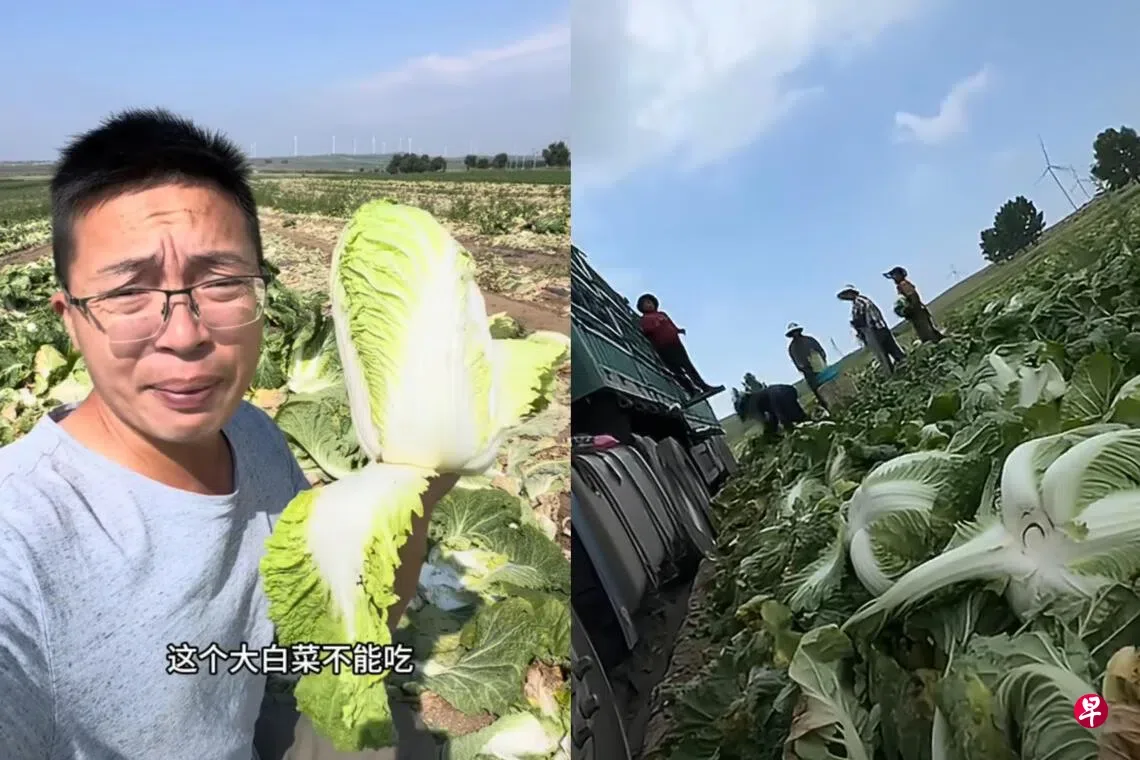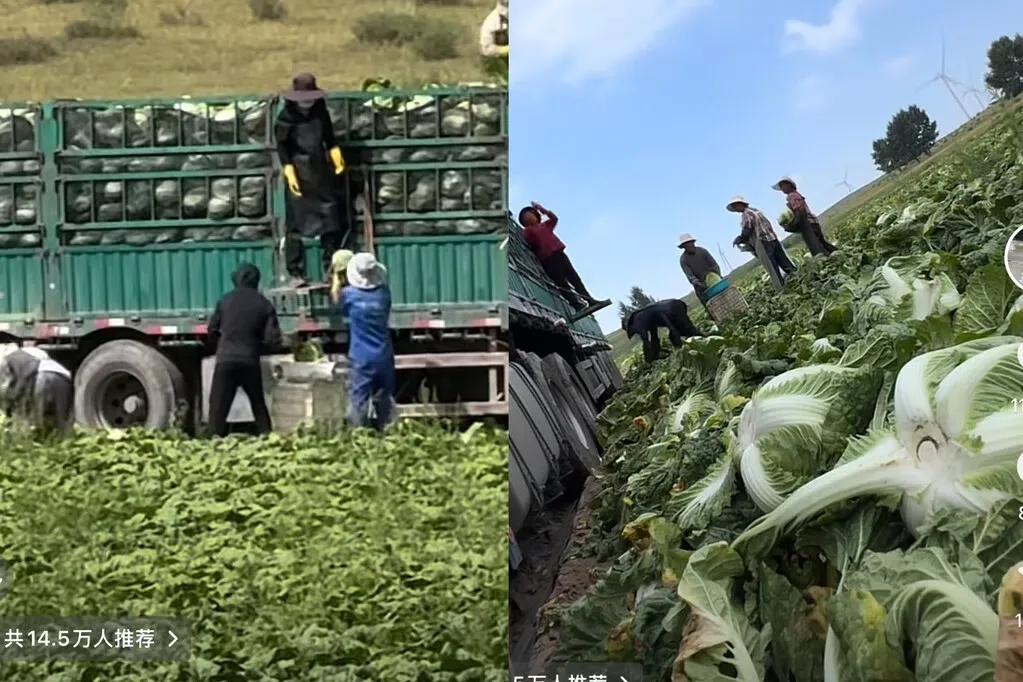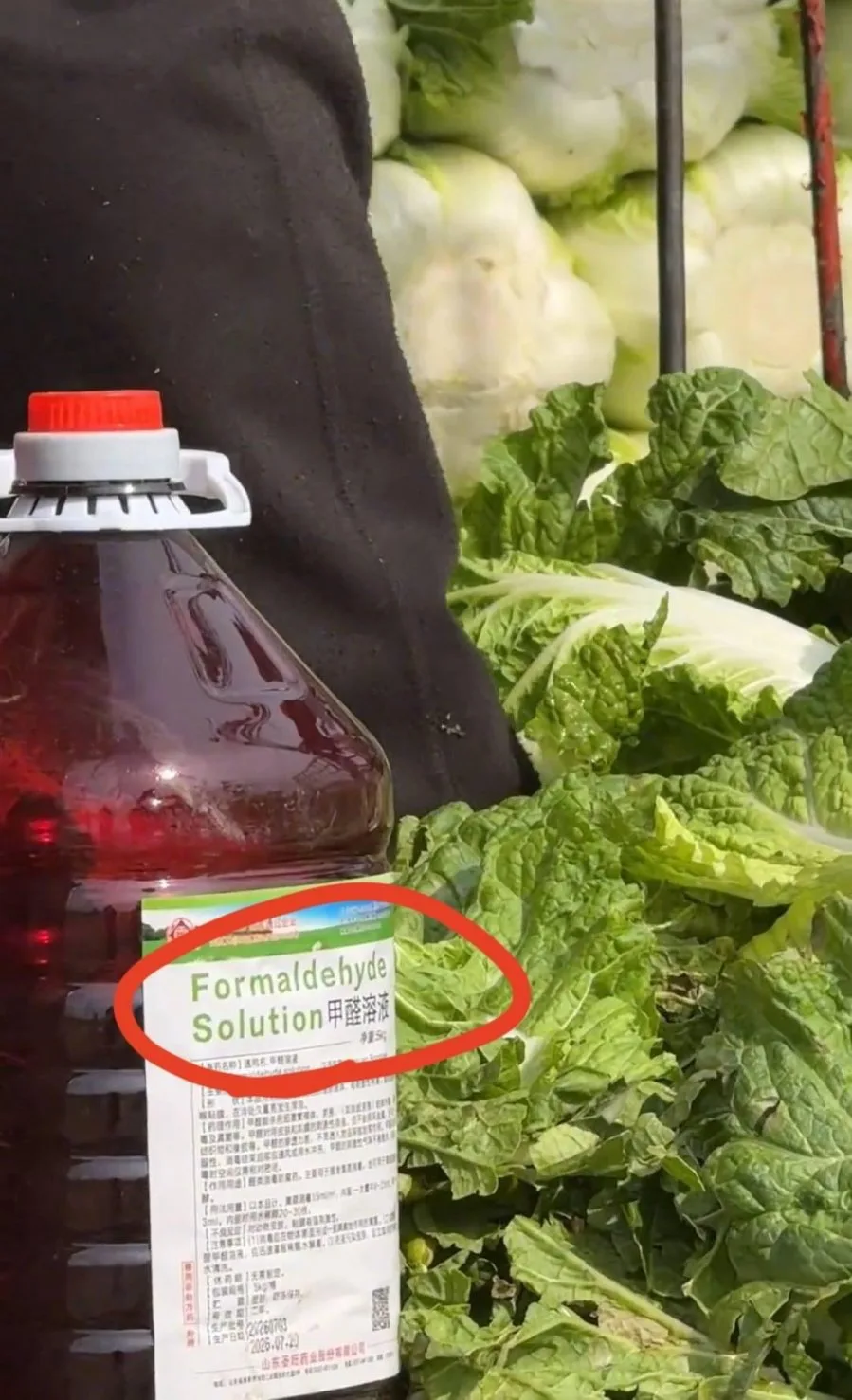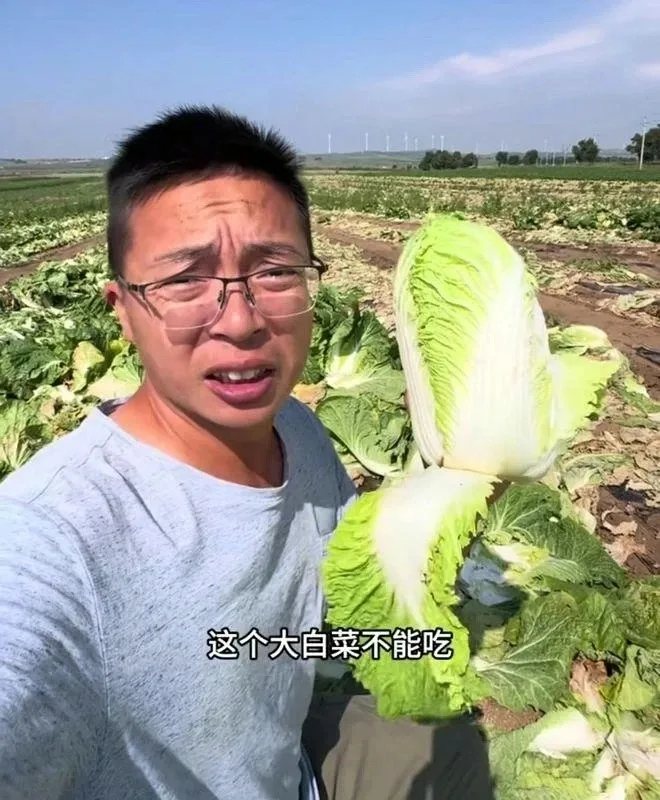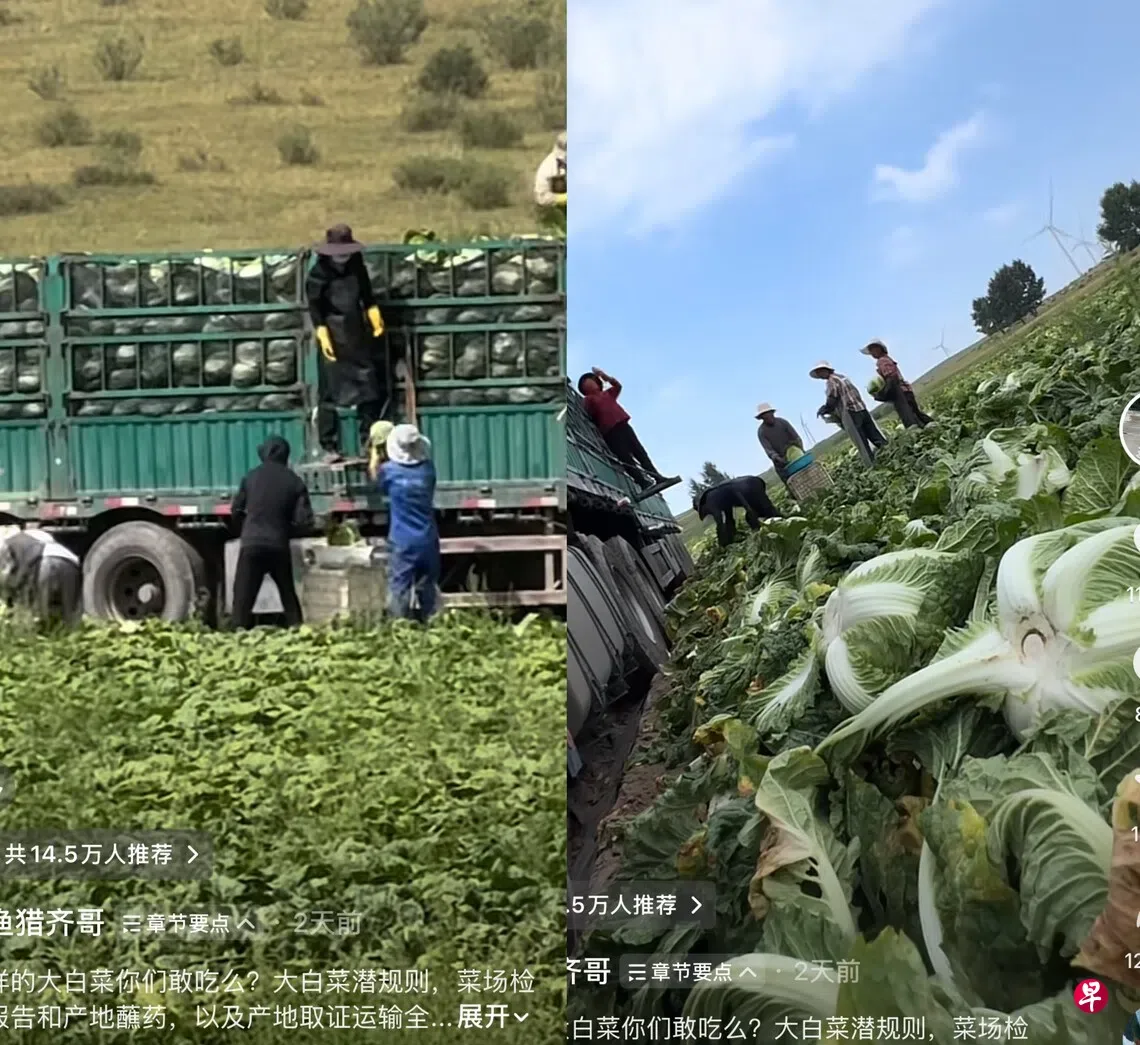
Chinese blogger "渔猎齐哥," with 4.3 million followers on Douyin, exposed on August 22 videos showing cabbages in Kangbao county, Zhangjiakou city, Hebei province dipped in formaldehyde solution before transport to prolong freshness [1, 2, 3, 4, 5, 6, 7]. The local government confirmed the videos were authentic and announced compulsory measures against those involved, with public security authorities intervening [1, 3, 4, 5, 6, 7].
Formaldehyde is classified by the WHO's International Agency for Research on Cancer as a Group 1 carcinogen and is banned as a food additive in China [1, 2, 3, 4, 6, 7]. The practice has a precedent, occurring previously in Shandong in 2012 and Hebei markets in 2015 [1, 7].
Following the revelations, central government bodies including the State Council Food Safety Office, Ministry of Agriculture and Rural Affairs, and State Market Supervision Bureau ordered swift investigations, market inspections, and tracing of cabbage distribution lines starting August 23 [1, 4, 5, 7]. Various regions such as Beijing, Anhui Hefei, Jiangsu Suqian, and Shanghai initiated emergency testing and sampling. Initial tests in places like Suqian Zhonghe agricultural market found no formaldehyde contamination [1, 3, 4, 5]. Markets in Nanjing and Wuxi banned all cabbage shipments from Kangbao county [1, 4, 5].
Hebei’s Zhangjiakou city and neighboring districts are offering monetary incentives of up to 3,000 RMB for verified reports of toxic chemical use on vegetables, including formaldehyde, to encourage whistleblowing [4, 5]. Before the incident, Kangbao county shipped about 1,500 vegetable packages daily; after exposure, shipments dropped below 300 packages daily [1].
Experts warn the scandal may undermine regulatory credibility and food safety trust. Beijing Normal University governance professor Tang Renwu said, "Formaldehyde cabbages may reduce regulatory credibility. Authorities should reflect on this. During an economic downturn, food safety threats may cause social instability." Beijing lawyer Lin Feiran noted gaps in oversight, saying, "The formaldehyde cabbage issue lies in a regulatory blind spot during acquisition and transport, with unclear authority division causing supervision lapses." [1]
Taiwan's Food and Drug Administration confirmed Chinese fresh or chilled cabbages are banned imports, with no clearance records through August 20, 2026 [6, 7, 8, 9, 10, 11]. Taiwan officials expressed concerns about cabbage being imported disguised through Vietnam or used in Korean kimchi, though no confirmed cases have emerged [9, 10, 11]. Taiwan lawmakers and civic groups called for stricter inspections to protect food safety and local farmers [12]. As Taiwan imports from Vietnam have grown to roughly 83,000 metric tons in 2024, a 4.7-fold increase since 2017, the risk of disguised imports is drawing heightened scrutiny [12].
The incident highlights an urgent need for intensified monitoring. Kangbao county investigators continue their probe, and markets nationwide maintain bans on cabbages from the affected area. Authorities across China are expected to report further test results and enforcement actions in the coming days [1, 4, 5].