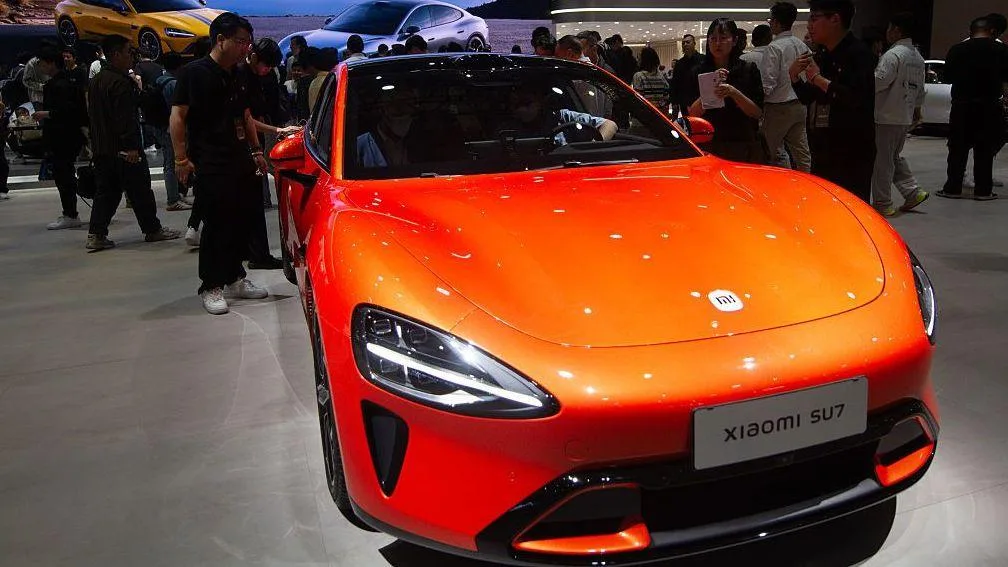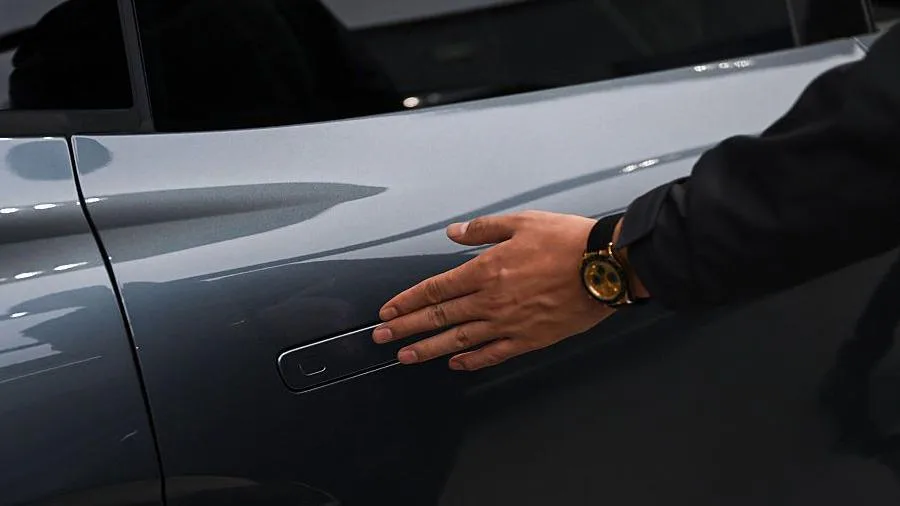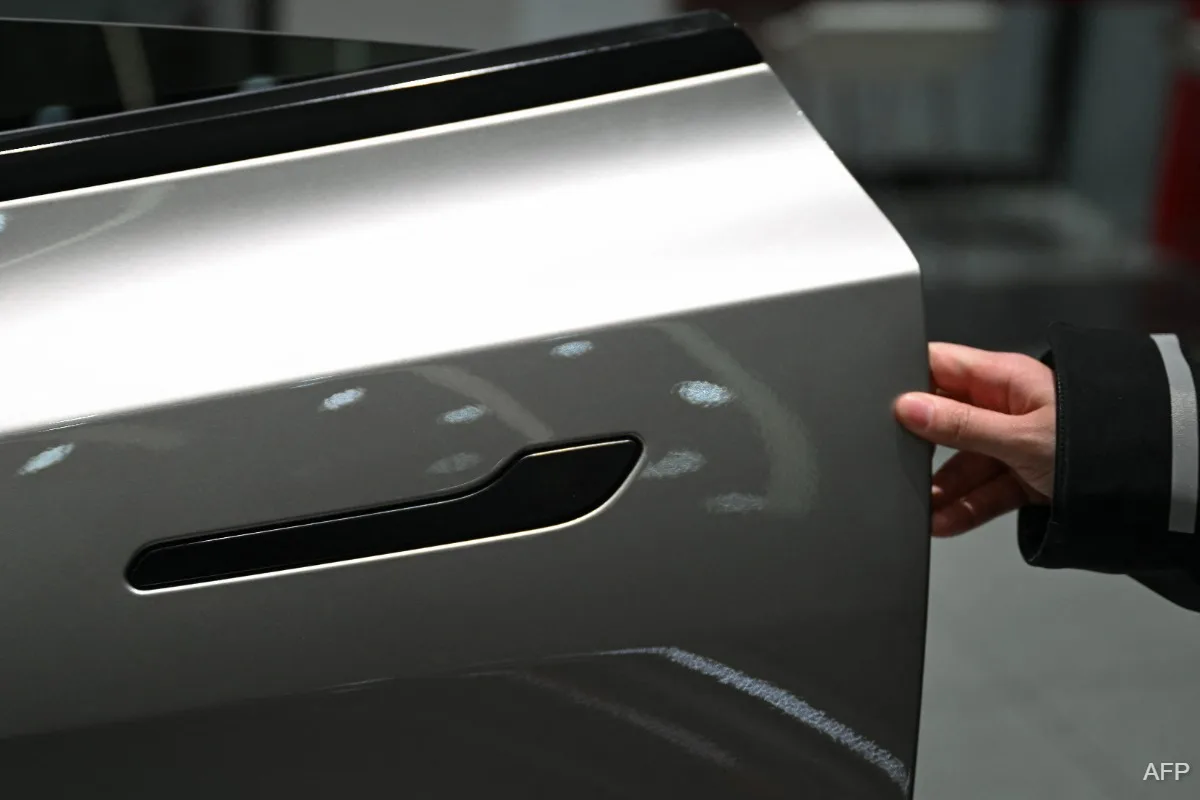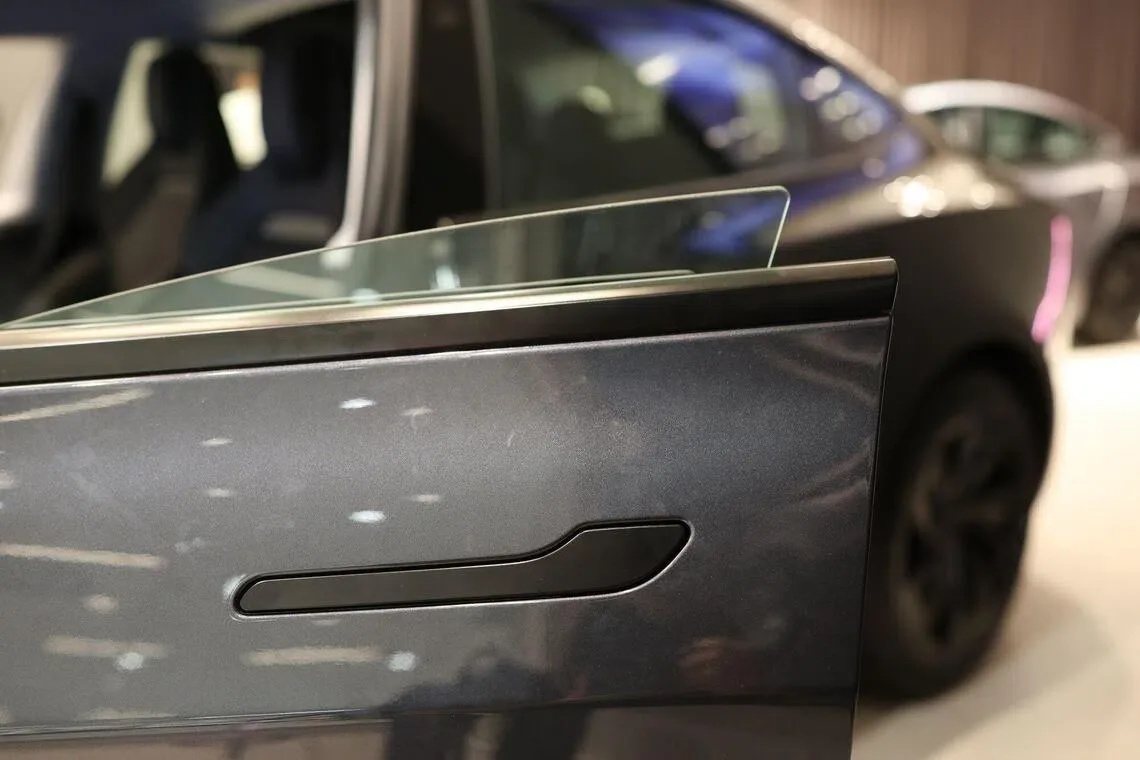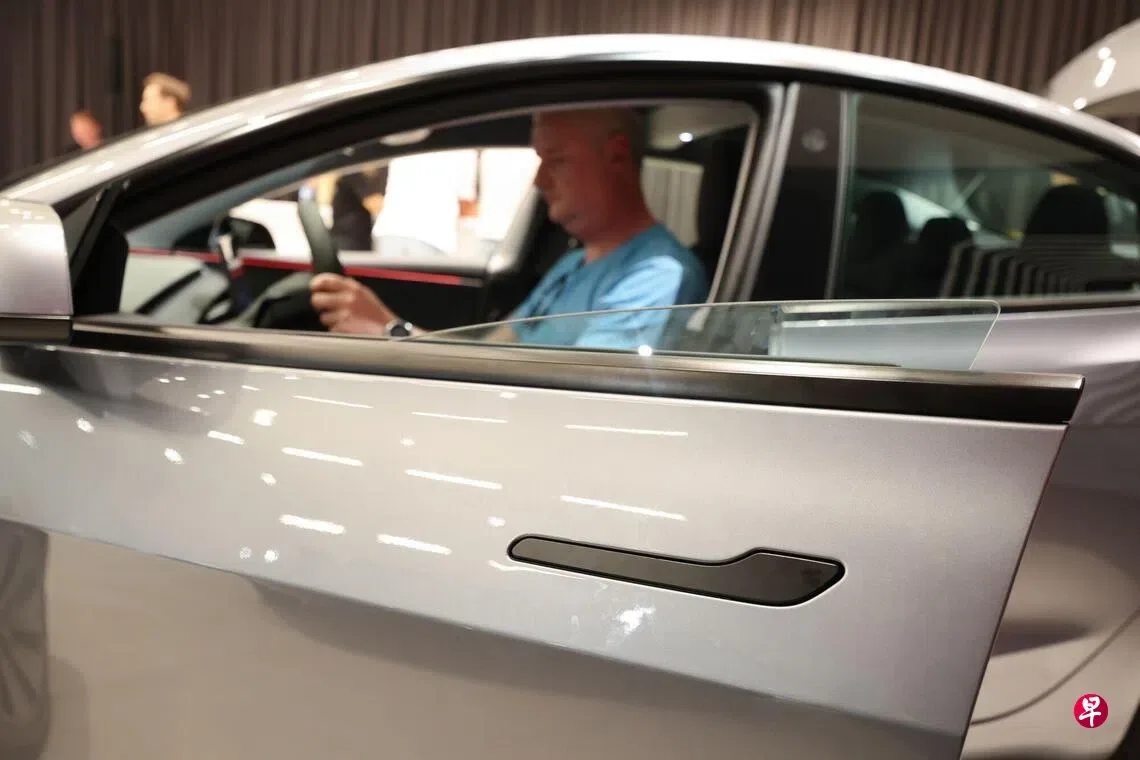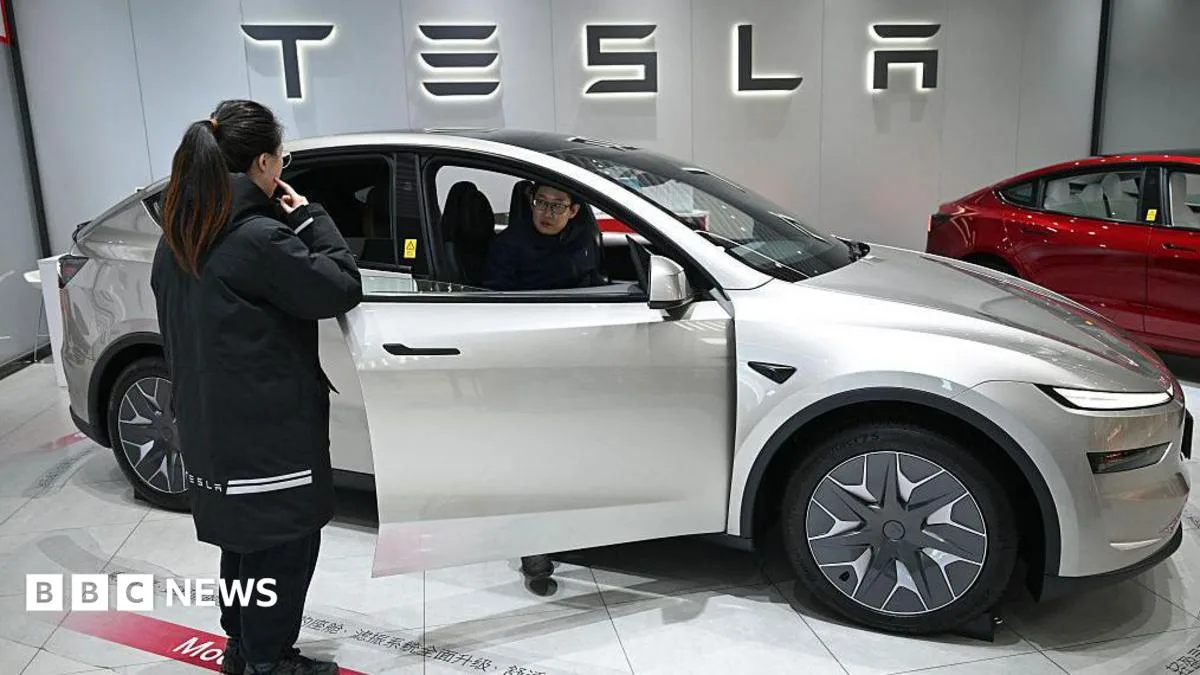
China has launched its largest-ever automotive recall campaign, affecting about 4.3 million vehicles from nine carmakers including Tesla, Xiaomi, Leapmotor, Xpeng, Zeekr, Lynk & Co, Geely, and Chery [1, 2, 3, 4, 5, 6, 7, 8]. The recall addresses safety concerns that emergency mechanical door release handles are difficult to find or operate during collisions or electrical failures, potentially trapping occupants inside vehicles [1, 2, 3, 4, 6, 7].
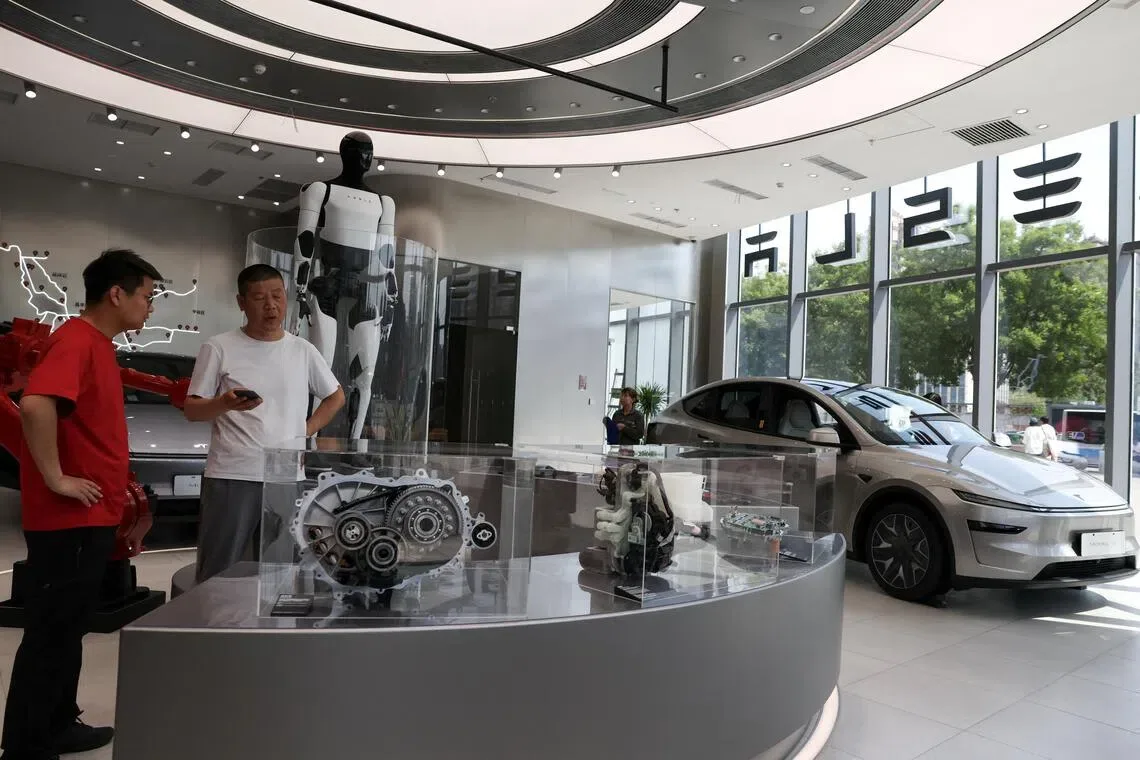
Tesla will recall approximately 2.98 million vehicles, including Model 3, Model Y, Model S, and Model X models imported to and made in China, with the recall starting September 25, 2026 [2, 3, 4, 9, 10, 6, 11, 12, 7, 8]. Other companies affected include Xiaomi, recalling about 390,000 vehicles, Leapmotor with roughly 371,000, and Xpeng with 264,000, along with smaller recalls by others [4, 7].
Remedies include installing warning labels to clearly identify emergency mechanical door handles, over-the-air software updates enabling windows to automatically lower after collisions, and in some cases replacing door handle covers or mechanisms [2, 3, 4, 10, 6, 11, 12, 7, 8]. Zhang Wenjie, a car repair shop owner in Shanghai, said, "The door problem has become a big issue since late last year as Chinese regulators and passengers attached greater importance to safety" [9].
China announced in February 2026 a ban on electronic retractable or hidden door handles for new vehicles starting 2027, mandating mechanical release handles on both the inside and outside of every door to improve emergency egress [2, 3, 4, 5, 6, 7]. New national standards effective January 1, 2027 require all vehicles to have easily identifiable mechanical door handles clearly labeled for emergency use [4, 7].
Fatal incidents involving door handle failures in electric vehicles, including a 2025 crash in Chengdu where Xiaomi SU7 occupants were trapped and died in a fire, intensified regulatory scrutiny and triggered recalls [1, 4, 7]. Associate Professor Lyu Chen of Nanyang Technological University said, "A door handle may seem simple, but it becomes safety-critical in the seconds after a crash" [1]. Stephen Dyer, a car industry analyst, added, "Even I often find it difficult to locate the switch to open the door from the inside of an unfamiliar vehicle" [1].
Tesla is conducting a separate recall affecting about 2.74 million vehicles in China to update its driver monitoring system using interior cabin cameras to better ensure driver attention [10, 12]. Pedro Pacheco, VP of Research at Gartner, commented, "The trend is clear: China is, bit by bit, approaching regulatory leadership for advanced vehicle tech," while Bill Russo, CEO of Automobility, said, "It is a shift from rapid EV innovation and feature proliferation toward a much more assertive safety-regulation phase" [5].
The recall started publicly August 21, 2026, with the Tesla recall phase scheduled to begin September 25 [2, 3, 4, 9, 10, 6, 7, 8]. The new safety standards take effect January 1, 2027 [4, 7].