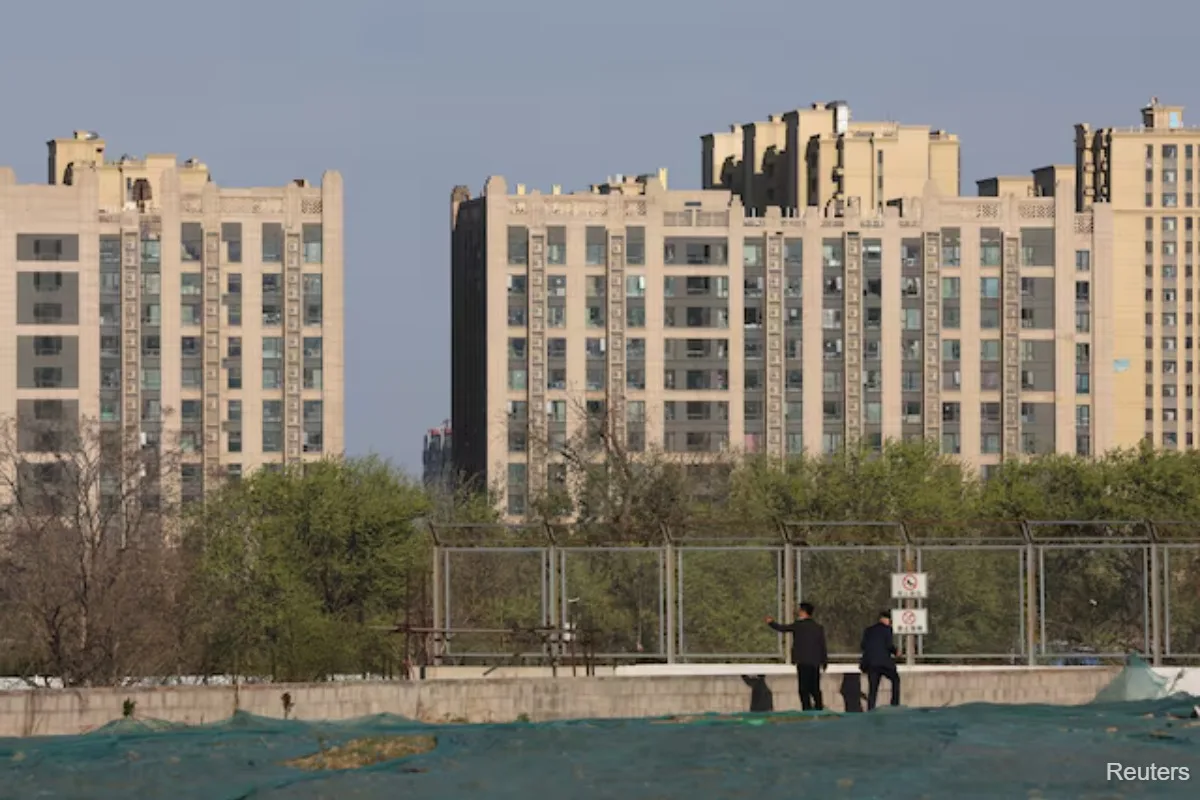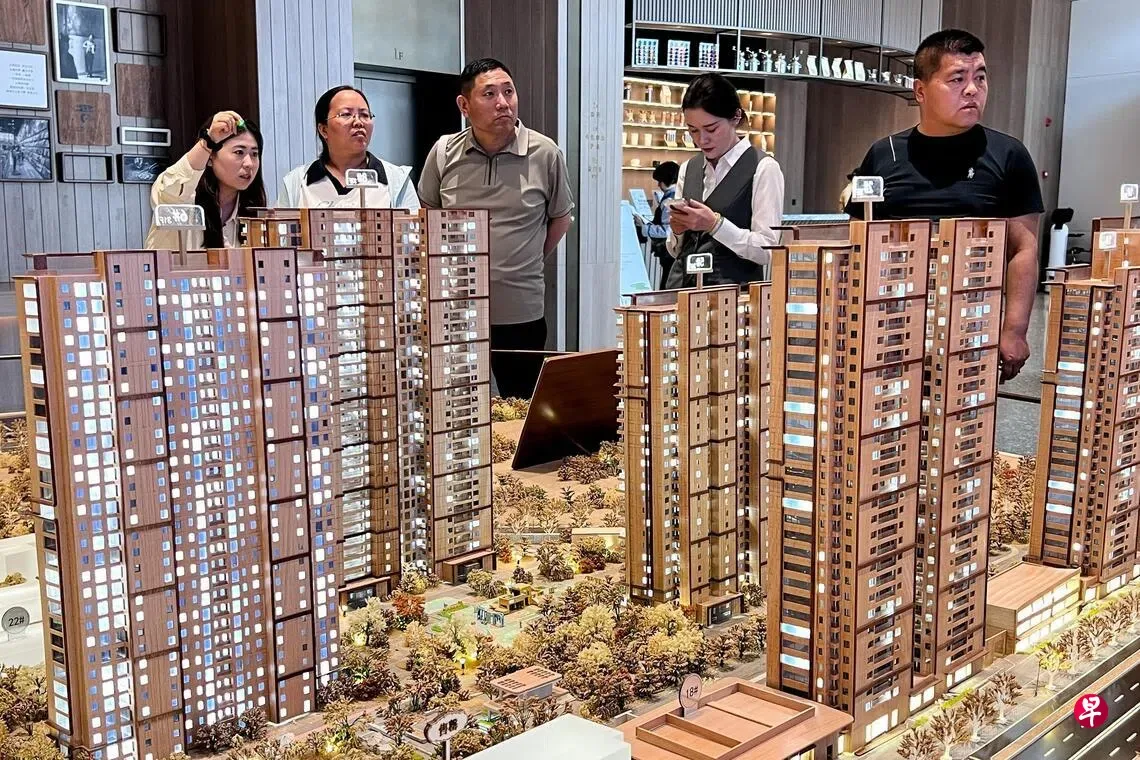
China's new home prices edged down 0.1% month-on-month in June 2026, an improvement from a 0.2% decline in May, signaling a slower pace of price falls across the country [1, 2, 3, 4, 5, 6]. On a year-on-year basis, new home prices fell 3.3%, compared to a 3.5% decline in May [1, 2, 3, 4, 5, 6].
The housing market showed uneven performance across city tiers. Tier-one cities posted a slight 0.1% month-on-month rise in new home prices in June, while tier-two and tier-three cities saw no monthly growth or continued declines [1, 2, 7, 8]. Despite the month-on-month increase, year-on-year new home prices in tier-one cities still declined, although the reduction narrowed [1, 2, 7, 6]. Existing home prices in tier-one cities rose 0.3% month-on-month, yet resale prices fell year-on-year [1, 6].
Shanghai was a rare bright spot, with new home prices up 3.1% year-on-year in June [7, 5, 6]. In contrast, Beijing, Guangzhou, and Shenzhen experienced year-on-year declines in new home prices during the same period [7, 5, 6]. National Bureau of Statistics senior statistician Yang Caifang noted that new home price declines in first-tier cities narrowed, with a 1.3% year-on-year fall in June, an improvement of 0.4 percentage points from May [7].
The overall market remains weak, with sluggish demand and continuing downward pressure. Peking University economics professor Su Jian said, “Resident home buying intentions remain insufficient, and housing prices have not stabilized; the real estate market is unlikely to bottom out quickly in the second half” [2]. Shanghai E-House Real Estate Research Institute deputy director Yan Yuejin added the market is still in decline with weak supply, though positive signals are emerging as inventory clearance accelerates [2].
In the first half of 2026, residential real estate investment dropped 18% year-on-year, property sales declined between 13.6% and 13.7%, and new construction starts fell 23.4% [2, 9]. Credit conditions remain tight, with June new bank loans totaling 1.61 trillion RMB, below market expectations of 2 trillion RMB, reflecting subdued credit demand [10]. China’s GDP growth slowed sharply to 4.3% year-on-year in the second quarter, missing analyst expectations [1, 3, 6].
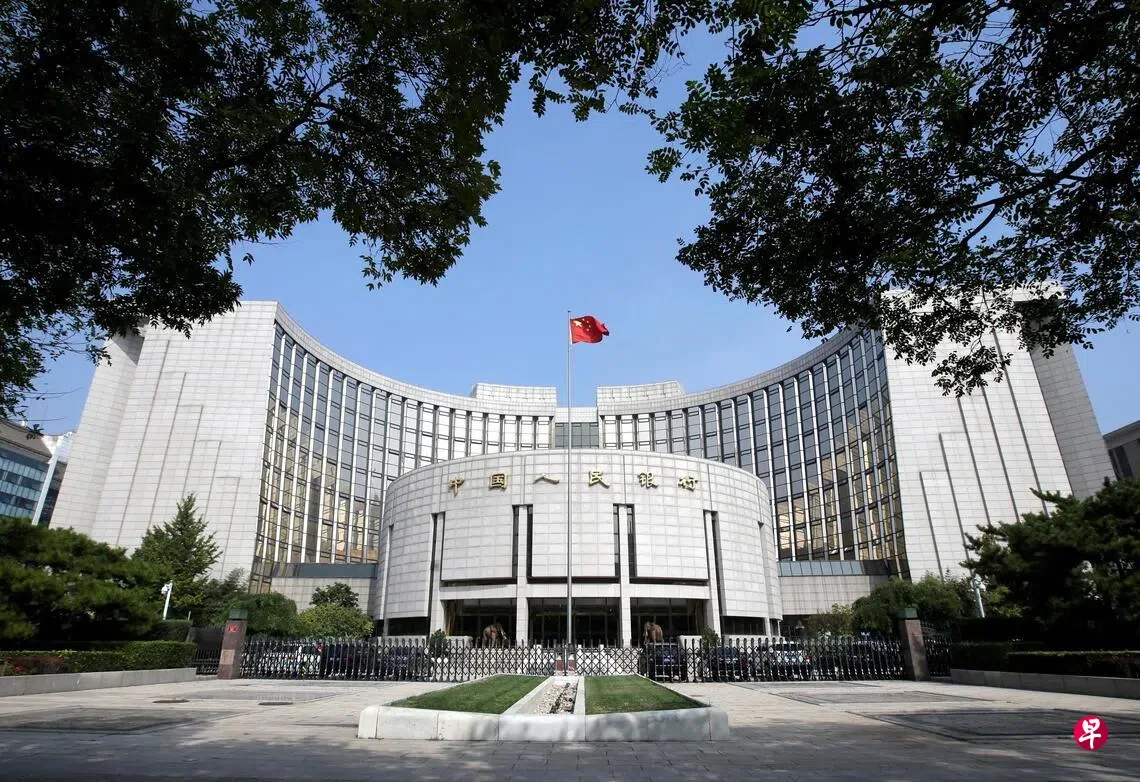
Despite local incentives and an export boom reducing the urgency for broad stimulus, the central government has not launched large nationwide support measures for property [1, 3, 4]. Officials urge stabilizing the market and repairing household balance sheets to avoid a negative spiral undermining consumer confidence [1]. China Central Bank Deputy Governor Zou Lan said the central bank has a "very rich" policy toolbox and will flexibly use various instruments to keep liquidity ample [10].
National data for June was officially released July 15 by the National Bureau of Statistics and People’s Bank of China [1, 2, 10, 3, 4].