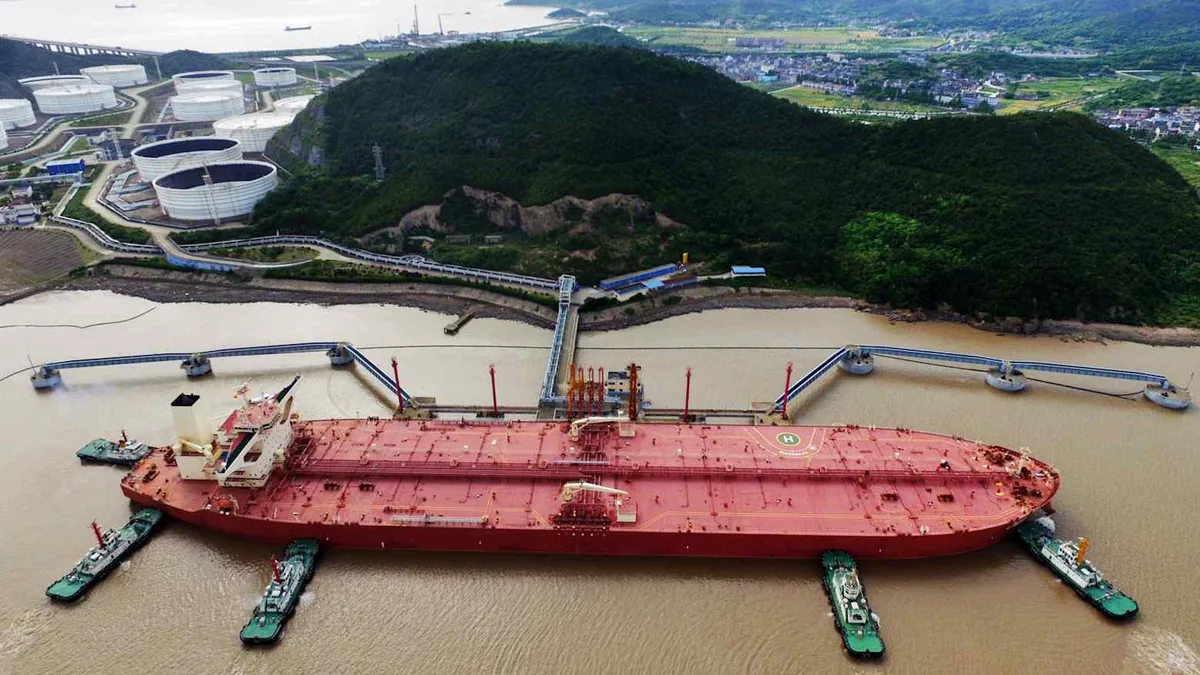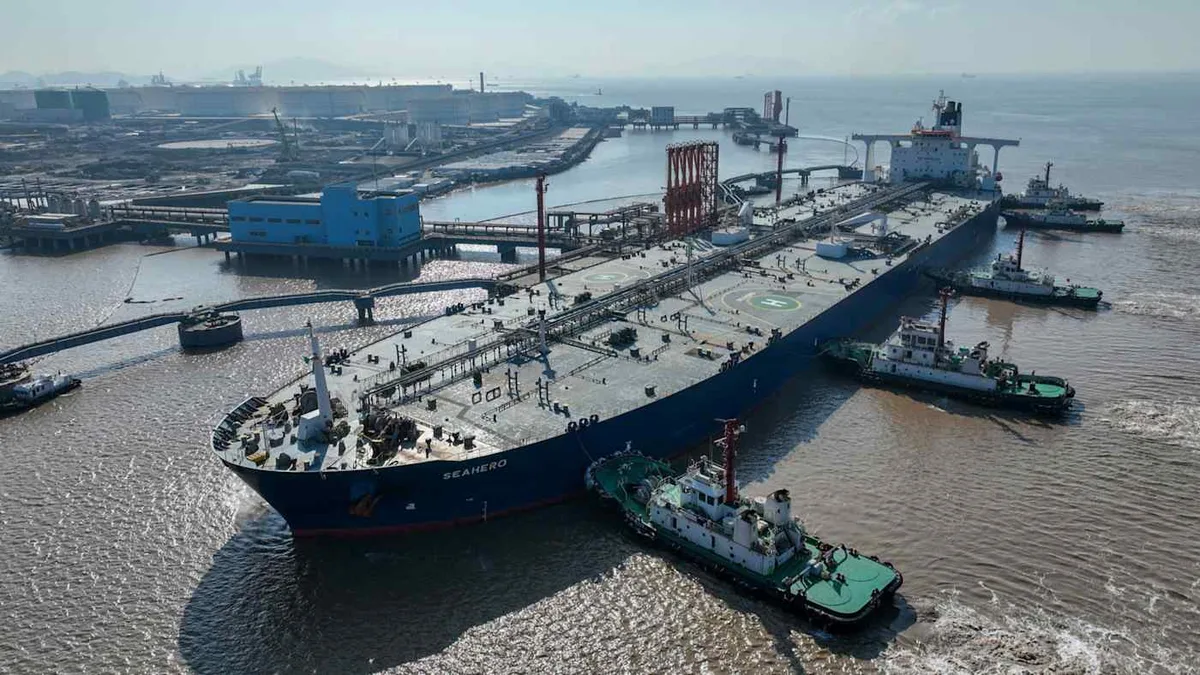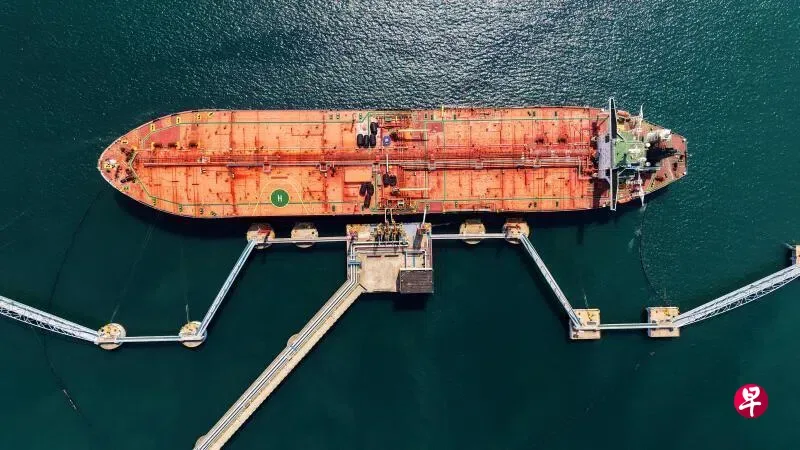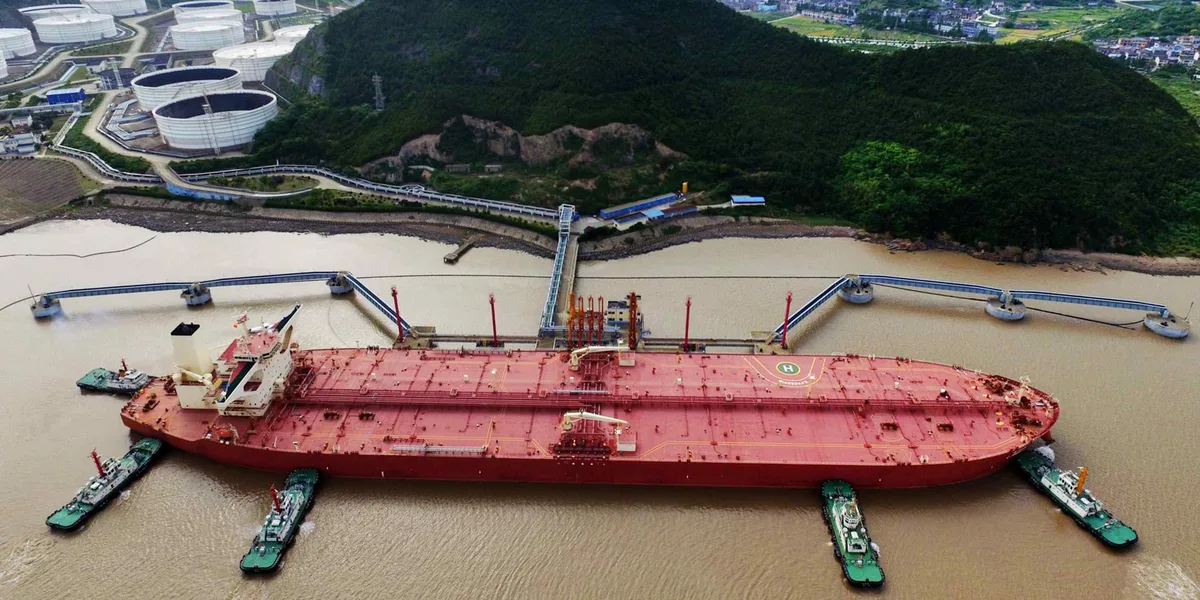
China's crude oil imports dropped sharply in May 2026 to around 7.8 million barrels per day, the lowest level since October 2017 and down from a 2025 daily average of 11.6 million barrels [1, 2, 3, 4]. The steep decline reflects disrupted supply due to the ongoing Iran war affecting shipments through the strategic Strait of Hormuz.
To manage the shortage, China cut refinery run rates and restricted fuel exports while drawing on its commercial crude reserves. Nearly 25 million barrels were released between early May and early June, equivalent to about 1 million barrels per day of consumption [1, 2, 3, 5, 4]. Analysts from Kpler and Vortexa expect China to keep tapping inventories for several more months amid the supply crunch [5, 4].
China's refinery throughput has fallen to historic lows in May and June 2026, pressured by weak crude availability and poor refining margins [2, 6]. Fuel demand also weakened as gasoline and diesel consumption fell over 10% year-on-year in May, driven by higher fuel prices and accelerating electric vehicle adoption [2, 6]. Emma Li, chief China market analyst at Vortexa, said, "Compared with previous oil shocks, China's transport system is structurally more flexible. Rapid EV adoption has lowered seasonal fuel demand by about 1 million barrels per day this quarter" [5].
Saad Rahim, chief economist at Trafigura, noted signs of a sharp drop in gasoline demand but cautioned, "It's hard to tell how much of this drop is structural versus temporary" [4].
Despite the supply shock and war near the Strait, global oil prices rose less than expected, helped by China's lowered imports and reserve releases keeping crude prices capped below $100 per barrel [1, 7, 4]. China's import reductions contributed to relative market stability during the long-running conflict [1, 7, 4].
Estimates of China's total crude inventories vary from 1 to 1.4 billion barrels, considered enough to cover several months of demand at current rates [4]. Steel Union Energy Chemical revised its 2026 crude import decline forecast down to about 16%, from an earlier estimate of 9.6%, on the back of weak demand and high stock levels [6].
Forecasts for further crude import and refinery run declines are in place as supply issues and demand softness persist [6]. China is expected to continue using inventories to offset shortages in the near term, as disruptions at the Strait of Hormuz keep pressure on crude shipments [5, 4].