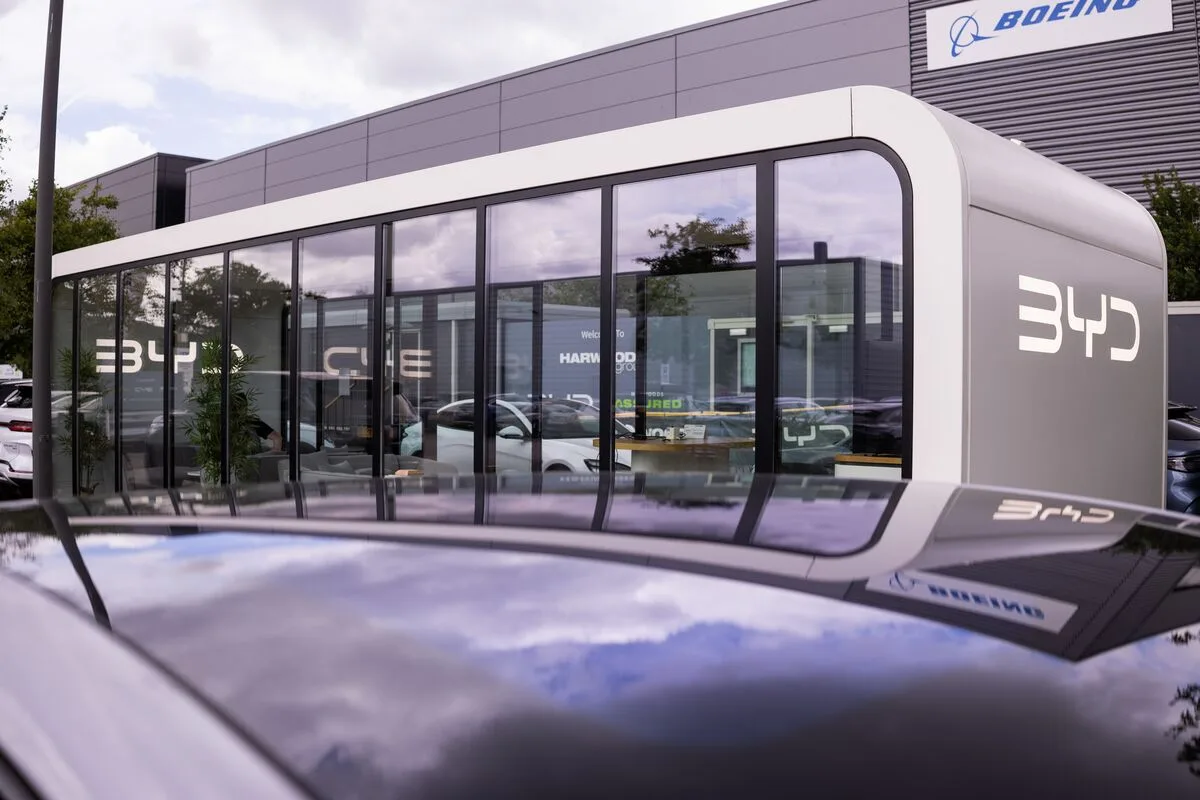
Chinese automakers accounted for more than 15% of electric vehicle sales in Europe for the first time in April 2026, reaching 38,281 units sold that month, more than doubling compared to a year earlier [1, 2, 3, 4]. They are also approaching a 10% share of the overall European car market [1, 2, 3, 4].
These brands performed strongly not only in fully electric vehicles but also in plug-in hybrid electric vehicles (PHEVs), where they captured nearly 29% market share in Europe in April 2026 [2, 3]. European domestic automakers have struggled to launch affordable electric vehicles and face technological disadvantages relative to their Chinese counterparts [2, 3, 4].
Chinese manufacturers are increasing their European production capacity by building new factories and acquiring or sharing underutilized plants in the region [3, 4]. In May 2026, Stellantis announced factory-sharing agreements with Chinese automakers Leapmotor and Dongfeng to boost localized EV production in Europe [3, 4].
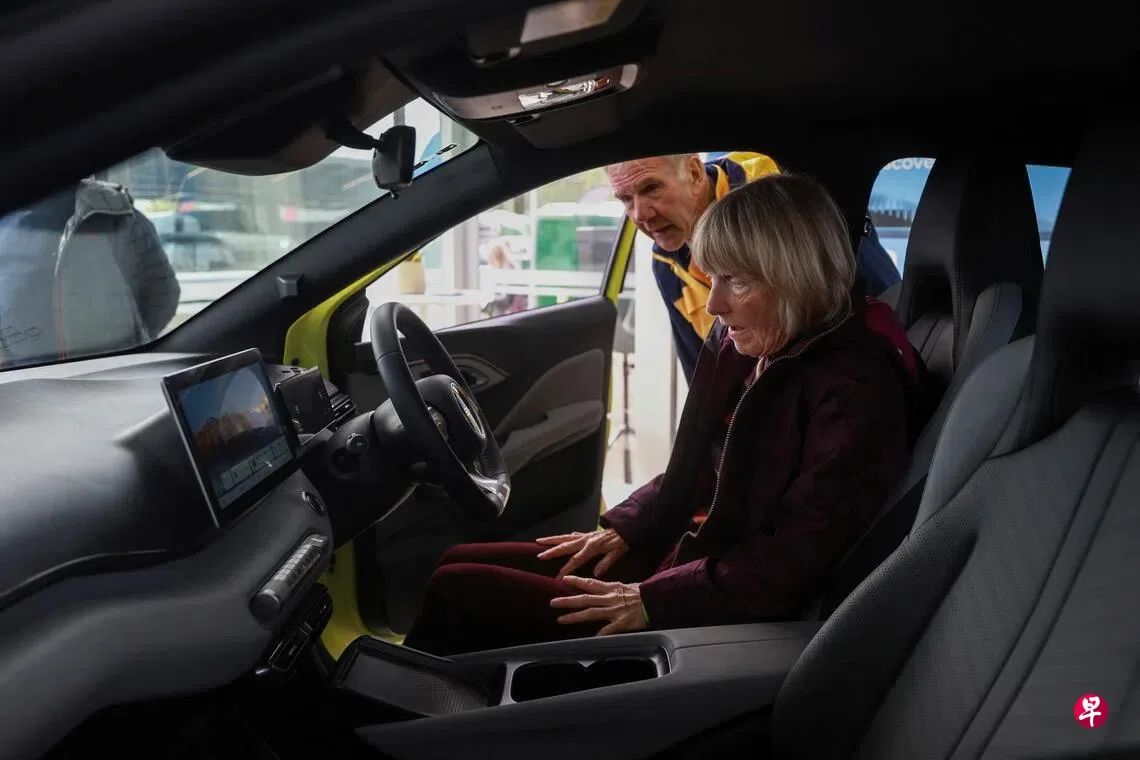
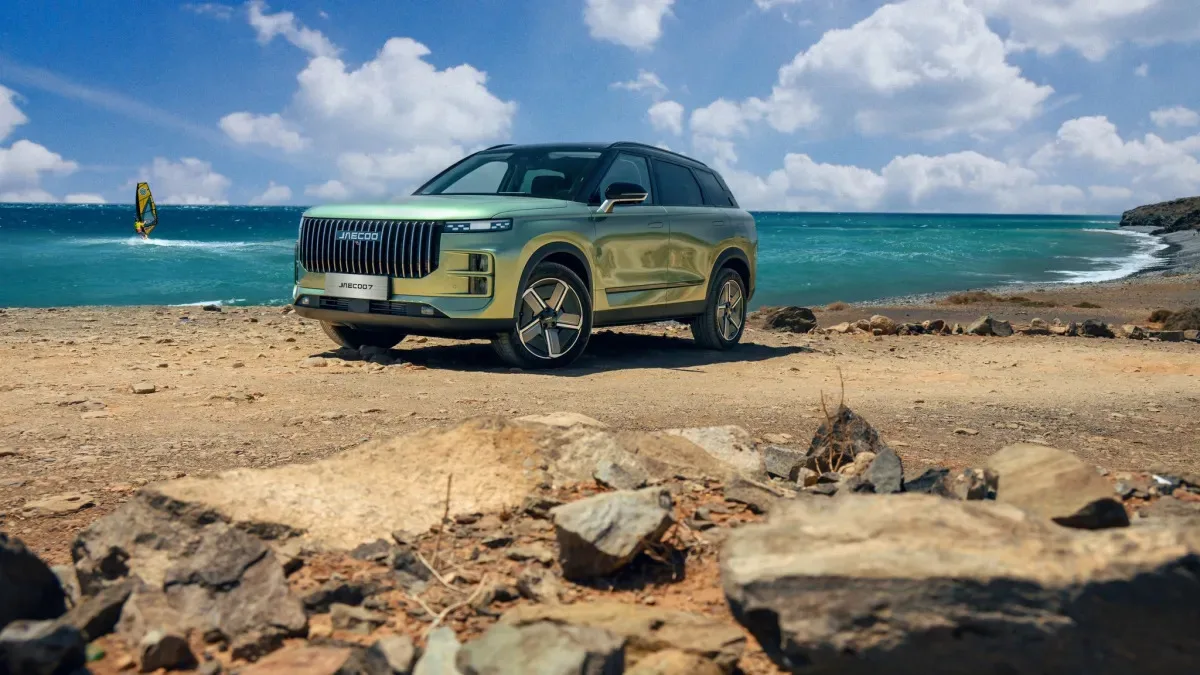
In the UK, Chinese EVs have gained significant market penetration, with one in seven newly sold cars made in China as of April 2026 [4]. Earlier, in March 2026, Chery’s Jaecoo 7 SUV became the best-selling SUV in the UK [4]. Nathan Coe, CEO of UK Auto Trader, said, “Today in the UK, you can drive away every month for just £389 a stylish, fully featured new Chinese electric car with excellent range. At that price and product, there is no reason for the average UK buyer to say no.” [4]
Chinese EVs attract cost-conscious European consumers by offering competitive pricing, advanced technology, and strong feature sets [2, 3, 4]. Across 16 European markets, new EV registrations grew 34% month-on-month in April 2026 compared to April 2025 [3].
Stellantis’s recent factory-sharing agreements with Leapmotor and Dongfeng aim to further expand the localized production of Chinese electric vehicles in Europe [3, 4].