Iran has expanded its claimed military control area around the Strait of Hormuz to more than 22,000 square kilometers, extending into the territorial waters of Oman and the United Arab Emirates (UAE) [1]. The country’s new 'Persian Gulf Strait Authority' demands all vessel transits obtain coordination and authorization before passing through the strategic waterway [1].
The move has drawn sharp rejection from the US and its Gulf allies, who have instructed their ships not to comply with Iran’s transit regulations. Anwar Gargash, diplomatic adviser to the UAE president, called Iran’s claims “nothing but fragments of dreams,” saying attempts to control the Strait or encroach on UAE maritime sovereignty stem from a military defeat [1].
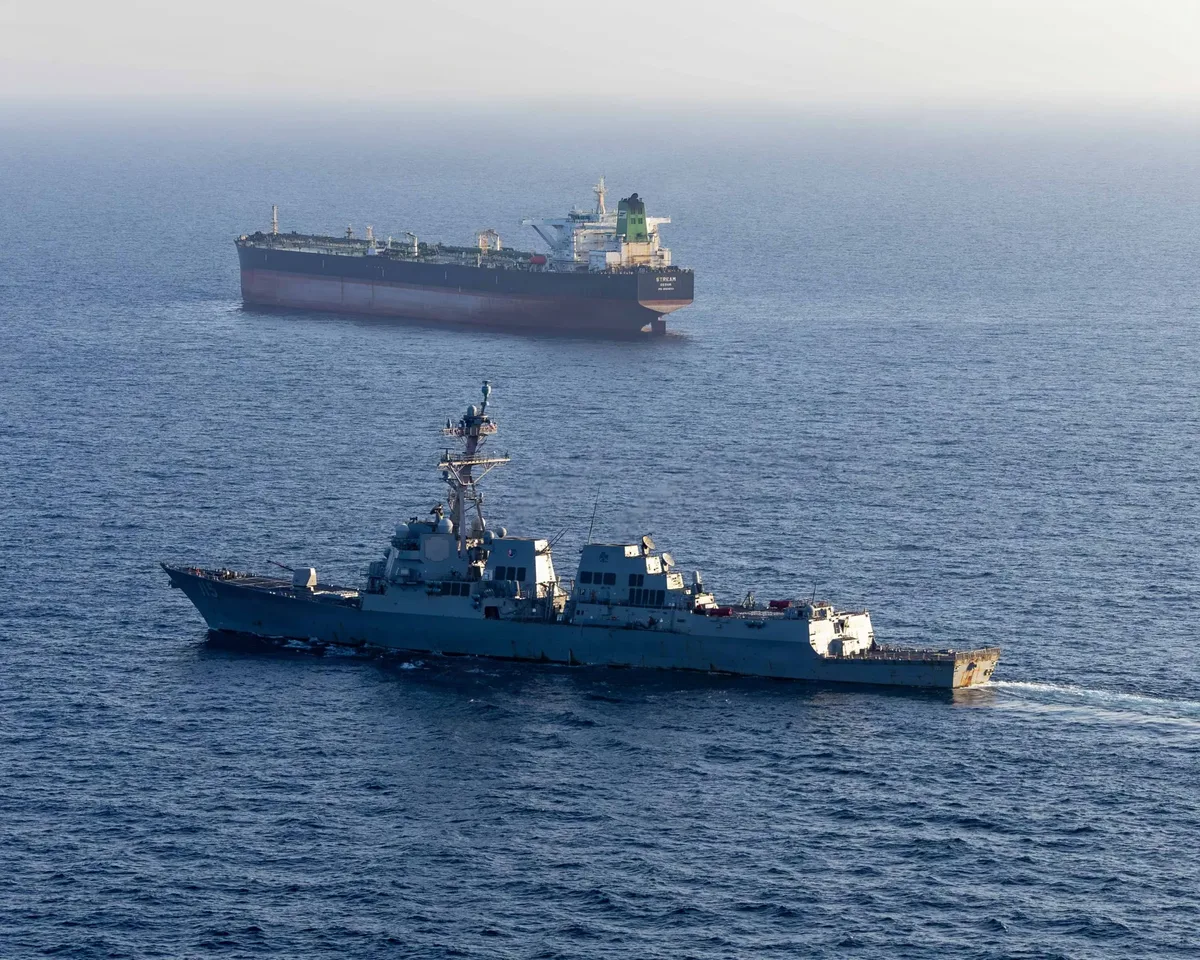
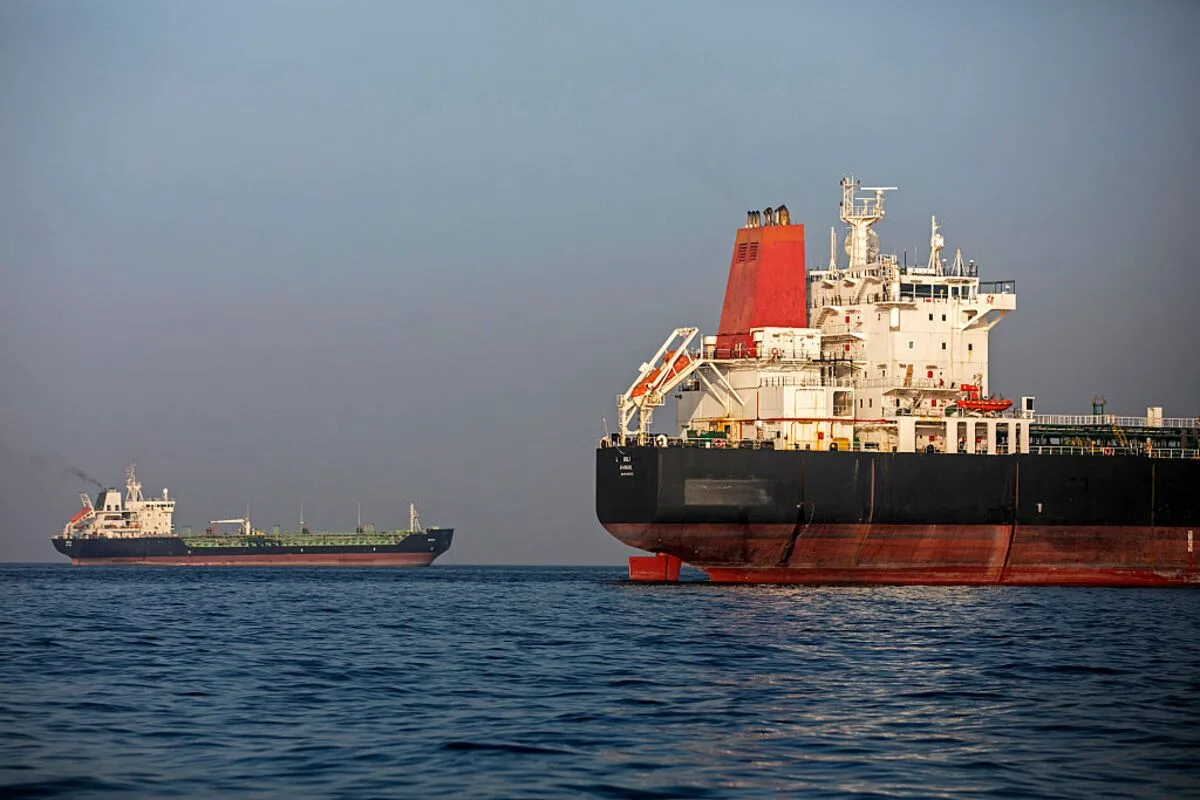
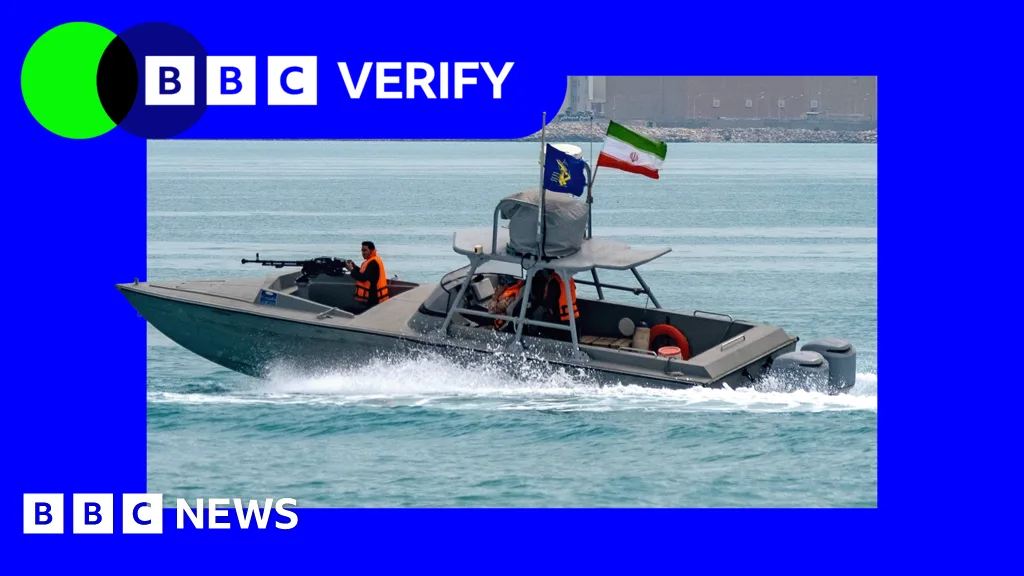
Iran’s Islamic Revolutionary Guard naval forces, meanwhile, have begun allowing more ships to transit the Strait after coordination, following protocols formulated since fighting erupted on February 28 between the US, Israel, and Iran [2]. The war initially led to Iran largely blocking shipping, while the US imposed a naval blockade on Iranian ports [2, 3].
Iran has imposed tolls on vessels crossing the Strait, collecting revenue from these fees [2]. Tehran is in negotiations with Oman about establishing a permanent toll system to formalize its control over maritime traffic there. Mohammad Amin-Nejad, Iranian ambassador to France, stated, “Iran and Oman must mobilize all their resources both to provide security services and to manage navigation in the most appropriate manner” [4].
Iranian state television reported that European countries have begun discussions with Iran’s Revolutionary Guards navy to gain permission for Strait transit [3]. Following these arrangements, several Chinese vessels, especially from China, Japan, and Pakistan, have been allowed to pass after coordination agreements [5, 3]. On May 13, the Chinese supertanker Yuan Hua Hu, carrying 2 million barrels of Iraqi crude that had been stranded since early March, exited the Strait [6, 7, 5].
In related actions, the US military boarded an Iran-bound oil tanker near the Gulf of Oman suspected of violating the US blockade. After searching, the US released the vessel and ordered it to change course [1].
Iran's parliamentary national security commission head, Ebrahim Azizi, explained that Iran plans to implement a “professional mechanism” to manage traffic through the Strait favoring vessels cooperating with Iran. He added that operators aligned with the US “freedom project” will be excluded and that fees will be charged for specialized services [3].
The conflict timeline shows initial fighting began on February 28, with a fragile ceasefire agreed on April 8 [2, 3]. Since May 14, Iran has progressively eased restrictions, starting with Chinese vessel transits and expanding to other ships under Iranian protocols [5, 2]. On May 16, Iranian state media reported Europe's entry into transit talks with Iran [3].
Iran and Oman continue talks to finalize arrangements for toll collection and traffic management, signaling further formalization of Iran’s control over the Strait of Hormuz maritime transit.