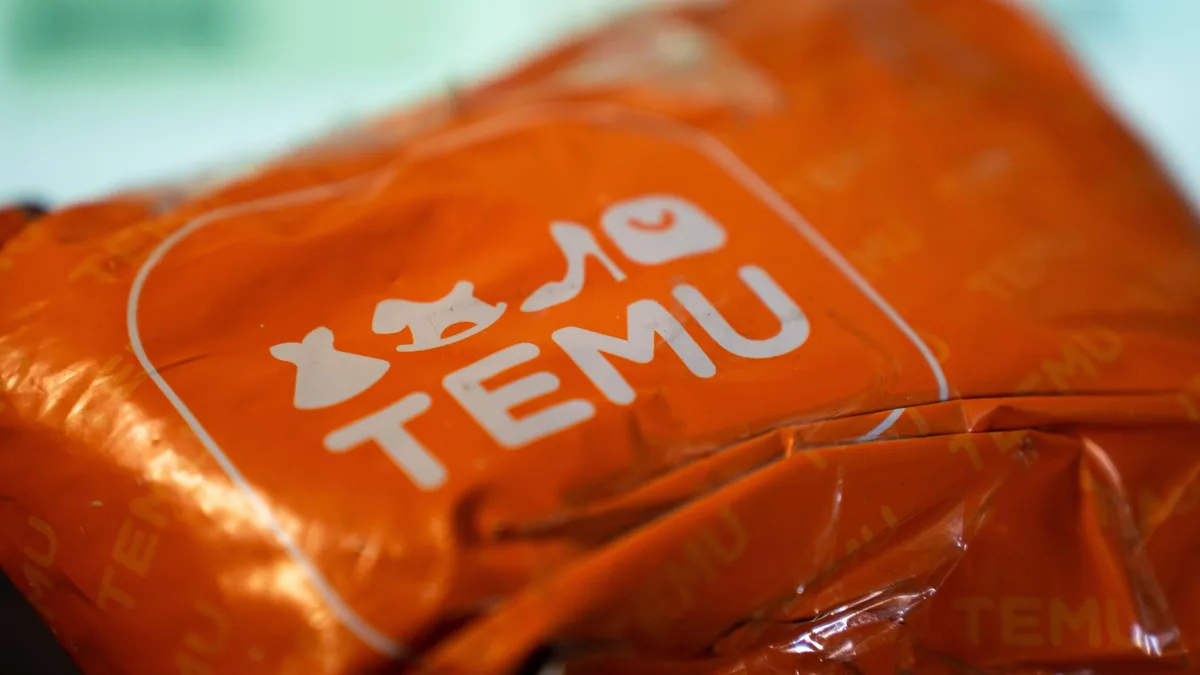
The European Union fined Chinese online retailer Temu €200 million ($230-232 million) for selling illegal and unsafe products such as dangerous baby toys and faulty chargers on its platform, the European Commission announced on May 28, 2026 [1, 2, 3].
Temu failed to identify and manage systemic risks related to illegal products, leading to harm among EU consumers, the commission said [1, 2, 3]. A mystery shopping investigation revealed a high percentage of chargers failed electrical safety tests while many baby toys posed chemical and choking hazards [1, 2, 4]. EU tech commissioner Henna Virkkunen said, "With this decision we are sending a very strong message to Temu," and added, "Temu has clearly been underestimating the risks of its services" [1, 2, 5].
The fine is the second issued under the EU Digital Services Act (DSA), following a €120 million penalty for Elon Musk's X platform in December 2025 [2, 3, 5]. The DSA allows fines up to 6% of global turnover; Temu's parent company PDD Holdings, with global revenues of $54 billion in 2024, faces additional scrutiny [2, 4, 5].
The commission also criticised Temu's recommender systems and influencer programs for amplifying the spread of illegal products [2, 3]. The investigation, launched in October 2024 after Temu had operated about one year in the EU market, covers a user base of approximately 130 million consumers—about one-third of the EU population [1, 4, 6].
Temu disputed the fine as disproportionate and stated the decision concerns its operations in 2024, not current systems [1, 3, 7]. A spokesperson said, "Temu respects the objectives of the Digital Services Act and the need for clear, consistent rules across the digital economy. However, we disagree with the European Commission’s decision and consider the fine to be disproportionate." The company is reviewing options including possible legal challenges [1, 3].
Temu must submit an action plan addressing illegal product sales and risk management to the European Commission by August 28, 2026 [1, 2, 3]. The commission will then have two months to assess compliance and may impose further periodic penalties if Temu fails to meet its obligations [2, 3].
The EU is continuing broader investigations into Temu on issues including addictive platform design and researcher data access [2, 4]. The next key date is the deadline for Temu’s action plan on August 28, followed by the commission’s compliance decision by around October 28, 2026 [1, 2, 3].