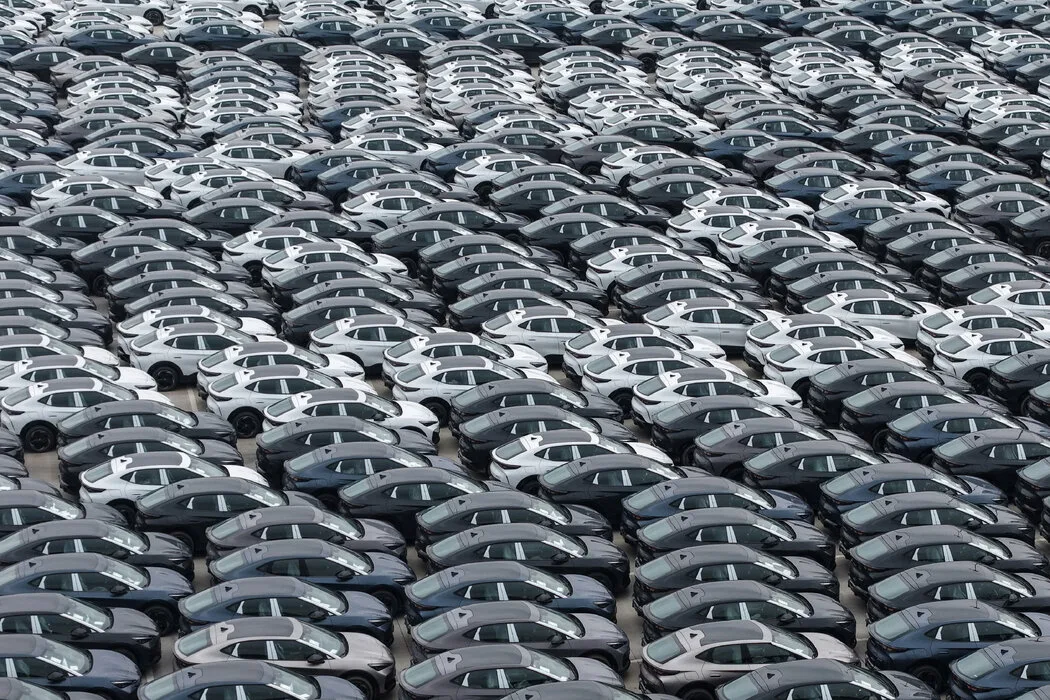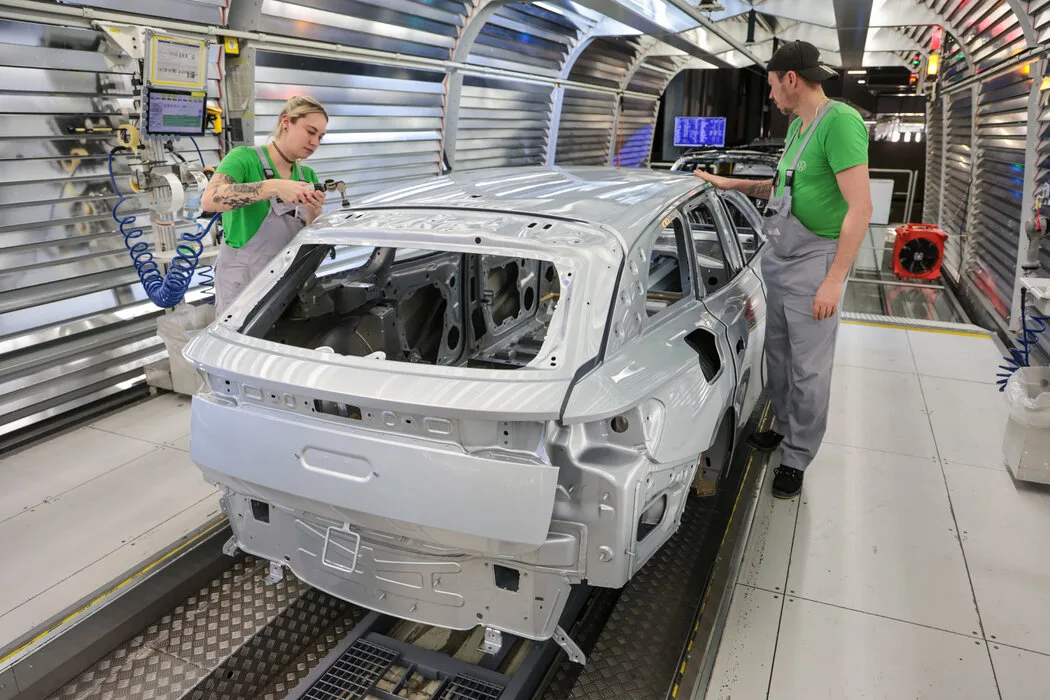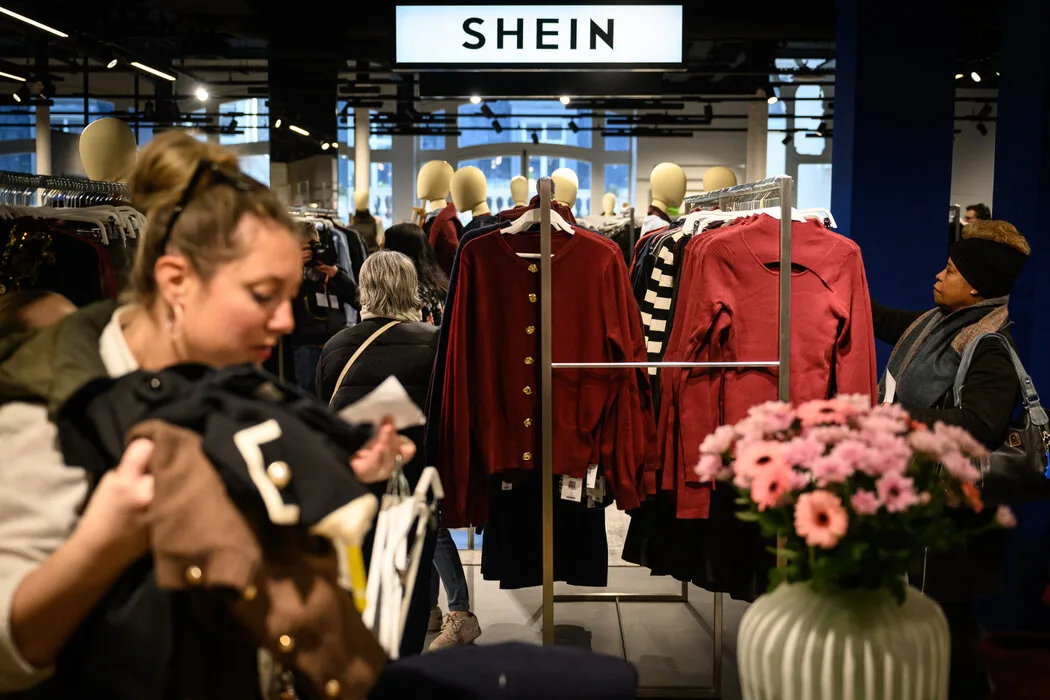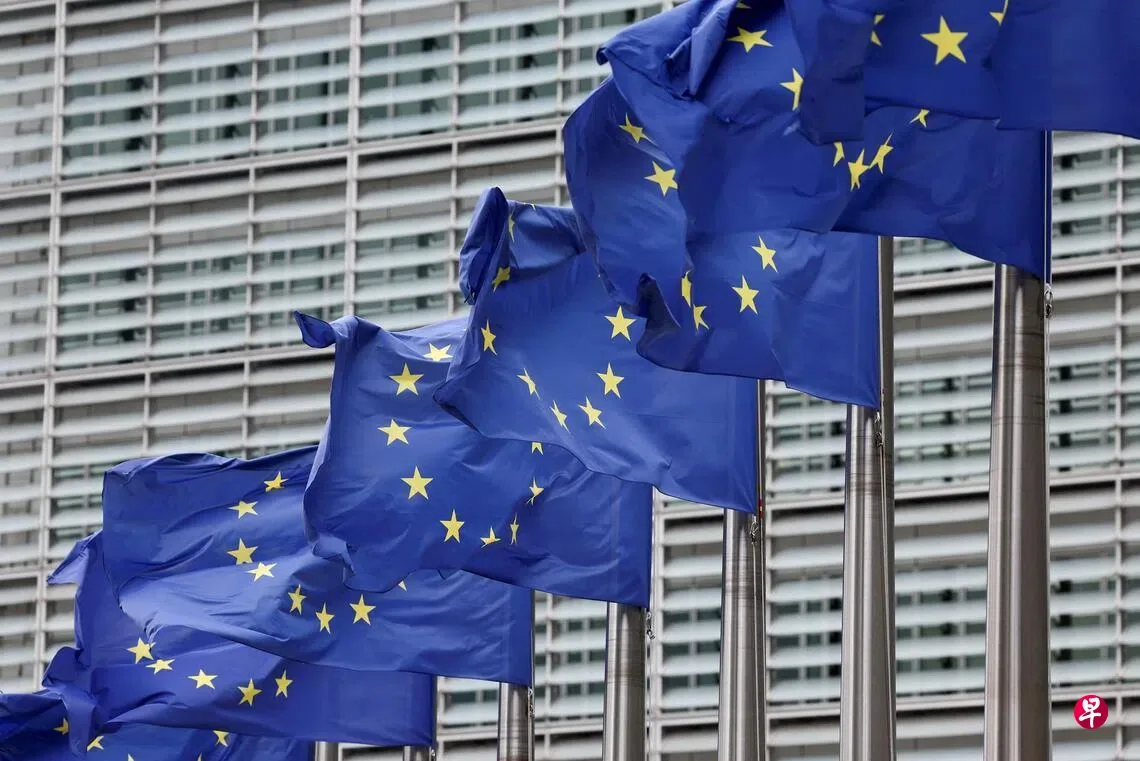
The European Union announced plans to strengthen its trade defence measures against China to address a large trade imbalance and protect strategic sectors. The EU aims to expand tools such as import quotas and tariffs to cover whole industries including chemicals, metals, and clean technologies, moving beyond previous measures that focused on specific enterprises or raw materials [1, 2, 3, 4, 5, 6].
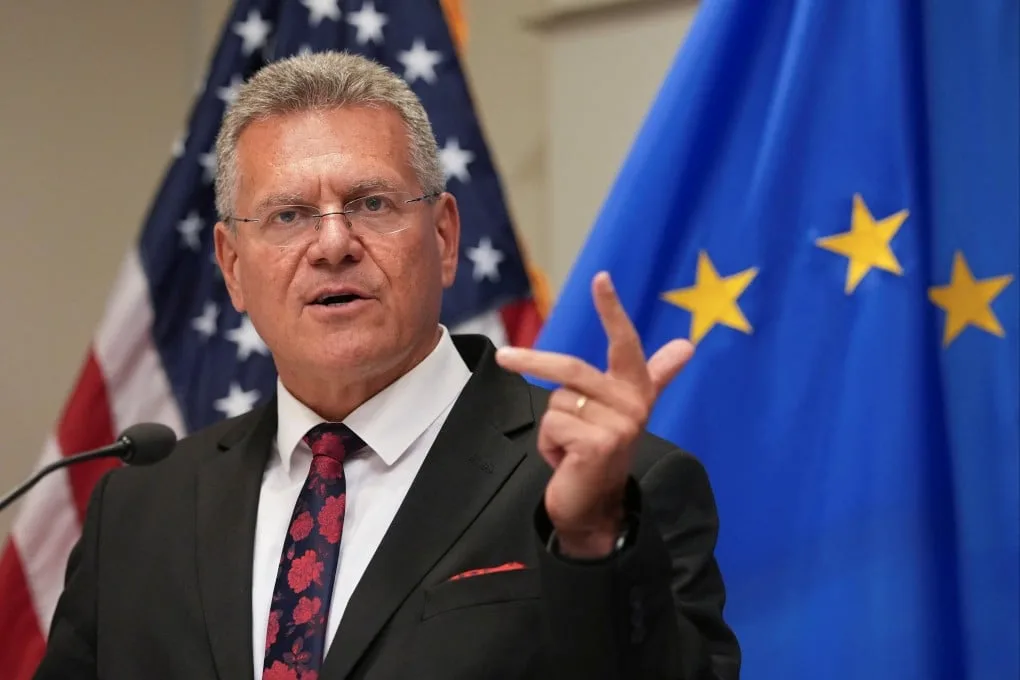
EU industry commissioner Stephane Sejourne said the new measures will be broader and more systematic. "The EU's goal is not to decouple from China, but to achieve true rebalancing and take effective measures to realize this," he stated, underscoring the intent to preserve trade ties while correcting imbalances [1, 6].
The EU currently faces a daily goods trade deficit with China of roughly 1 billion euros. This imbalance, driven in part by Chinese overcapacity, puts an estimated 29 million European jobs at serious risk, Sejourne said [2, 7, 4, 5]. Several member states, including France, Italy, Spain, the Netherlands and Lithuania, circulated a joint document calling for tougher action on unfair trade practices linked to industrial overcapacity, widely understood as targeting China [8, 9].
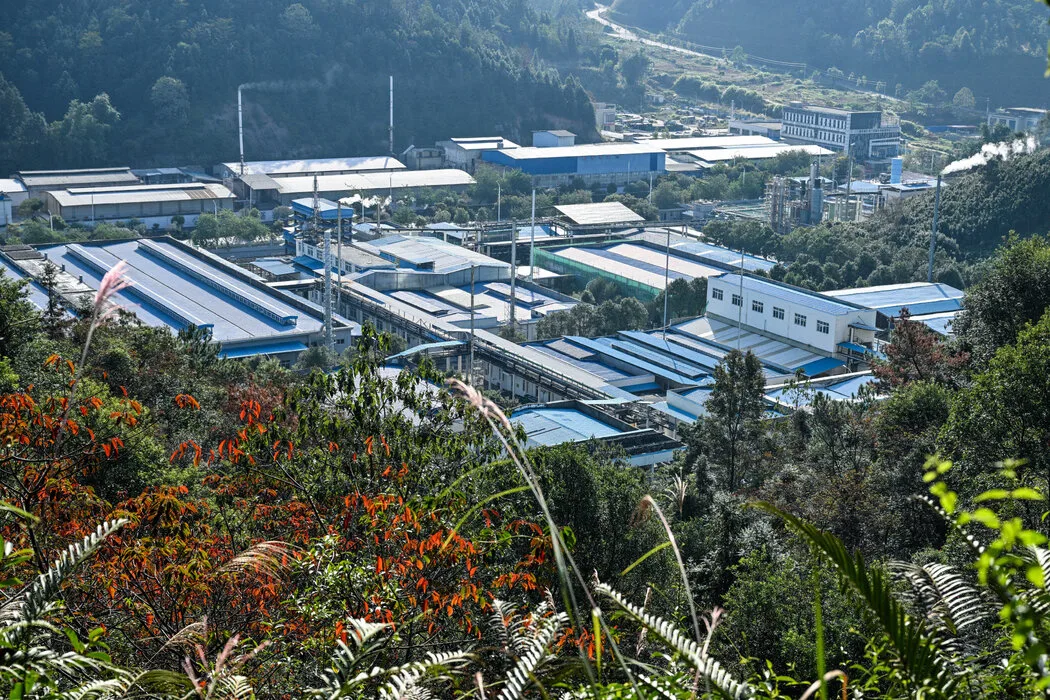
On May 29, the EU Commission held a special meeting to discuss the tougher trade defence policies and new tools. Proposed measures include safeguard safeguards that can be enacted more swiftly and broadly than anti-dumping probes, with a focus on sectors under pressure from Chinese excess capacity such as chemicals and machinery [1, 2, 7, 3, 10, 4, 5, 6].
Besides expanding quotas and tariffs, the EU may introduce a "resilience tool" that triggers trade restrictions when supplier concentration surpasses set thresholds, applicable to imports from all countries [8, 9, 4, 5]. The EU also plans rules to bolster local chip manufacturing and diversify supply chains to reduce reliance on China for key materials like rare earths [7, 10].
The EU currently applies a 50% tariff on steel imports above quotas, mainly targeting Chinese exports, which has drawn complaints from countries including Ukraine and the UK [2, 8, 9, 4, 5].
China has strongly opposed the EU's protectionist stance, calling the measures misguided and vowing strong countermeasures. Chinese officials argue the trade imbalance figure ignores service trade, investment returns, and non-tariff barriers, rejecting the overcapacity claims as one-sided and accusing the EU of protectionism [1, 11, 12, 8, 9]. "International trade is a matter of mutual choice," said Chinese Foreign Ministry spokesperson Mao Ning, emphasizing cooperation and win-win relations [1].
Germany's economic minister Katherina Reiche visited China May 27-29, stressing balanced and reciprocal trade ties despite the EU's tougher rhetoric [2, 11]. Analysts note Europe's political and systemic challenges complicate responding effectively to China's market practices [11].
EU leaders are expected to further discuss and possibly formalize the expanded trade defence tools at a summit scheduled for mid-June 2026 [12].