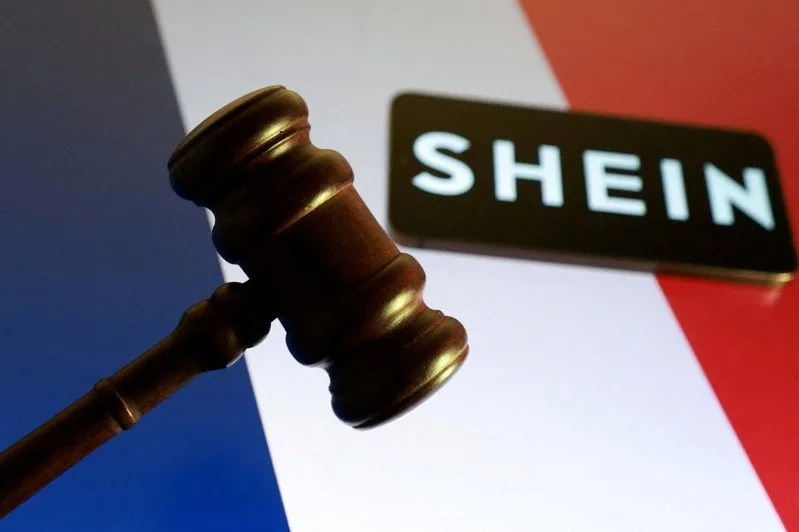
French authorities imposed two fines totaling 22.4 million euros on June 3, 2026, against fast-fashion platform Shein for violations including lack of product traceability, misleading environmental labels, delivery delays, and failures in consumer information and return policies [1, 2, 3, 4, 5, 6, 7].
The penalties are split between the entity managing Shein's website, ISSL, which was fined 16.7 million euros, and the sales entity, ISEL, fined 5.7 million euros [2, 4, 6, 7]. This latest sanction raises the total fines against Shein in France to over 210 million euros to date [1, 3, 8, 5, 7].
French Commerce Minister Serge Papin criticized Shein for a repeat pattern of evading regulation. He said, “What we are sanctioning is not mistakes but a system,” describing it as unfair competition that harms compliant businesses [1, 2, 4, 8, 5, 6, 7]. Papin added, “我们懲罰的不是一些錯誤,而是一種模式:有些電商平台不遵守我們的規範,不保護消費者,而我們的商家卻遵守規則。”
Authorities pointed to specific violations, including missing key consumer information in confirmation emails, incomplete environmental impact disclosures, issues with delivery timing, and non-compliance with the 14-day unconditional return window [2, 4, 5, 6, 7]. The discovery of illicit child-like sex dolls sold on Shein’s platform also prompted harsher enforcement [1, 2, 4, 5, 7].
Shein challenged the fines, calling them disproportionate and discriminatory. The company said no consumer harm or complaints had been identified related to these issues. It explained that some data had briefly been missing due to technical problems but was corrected before the fines were issued [1, 2, 4, 8, 5, 6, 7].
The French authorities warned that similar e-commerce platforms will be closely monitored until they comply fully or exit the French market [1, 2, 4, 8, 5, 6, 7]. Around a week earlier, the Chinese platform Temu was also fined 200 million euros by the European Commission for selling unlawful goods [2, 4, 8, 6].
Shein was previously fined 40 million euros in July 2025 for misleading consumers about pricing and environmental impact [1, 2, 4, 8, 5, 6, 7]. The ongoing enforcement signals continued scrutiny as regulators confront growing issues in cross-border fast fashion sales.
The companies involved now face deadlines to comply with consumer protection laws or face further action.