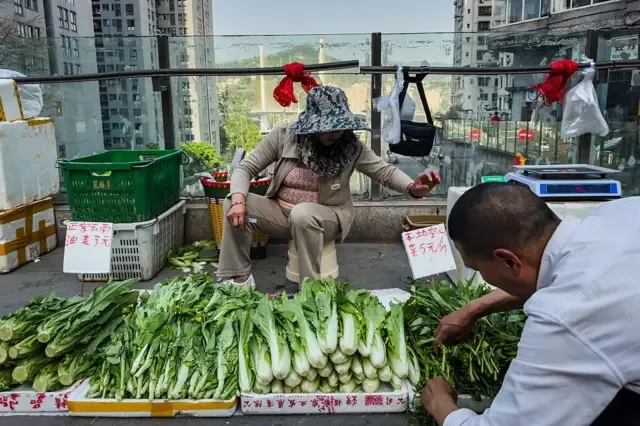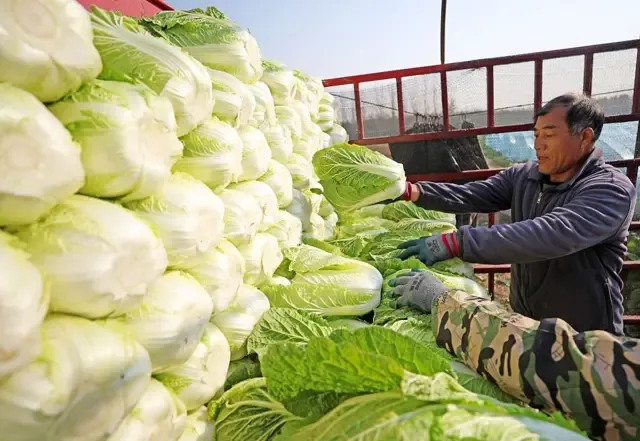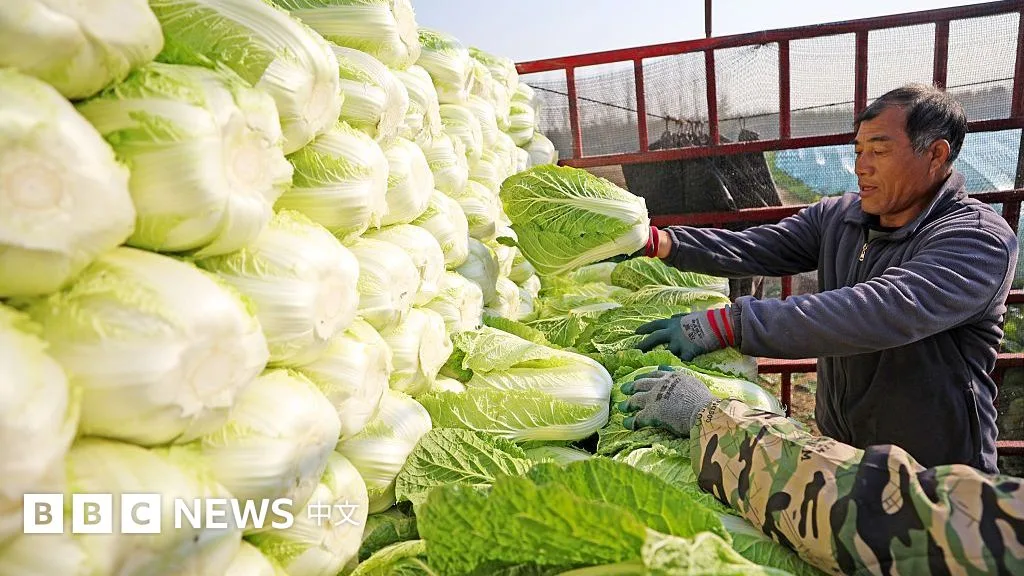
Vegetable traders in Kangbao County, Zhangjiakou City, Hebei Province, China were found to have illegally dipped Chinese cabbages in formaldehyde solution to preserve freshness during transport. Local authorities confirmed the practice is illegal and have taken coercive measures against involved personnel and vehicles while tracing the circulation of the cabbages [1, 2, 3, 4].
Formaldehyde is an industrial chemical classified as a Group 1 carcinogen by the World Health Organization and is banned as a food additive or preservative under Chinese law [1, 5, 4]. The contaminated cabbages were reportedly distributed to multiple regions in China including Jiangsu and Anhui provinces, raising widespread food safety concerns [1, 4].
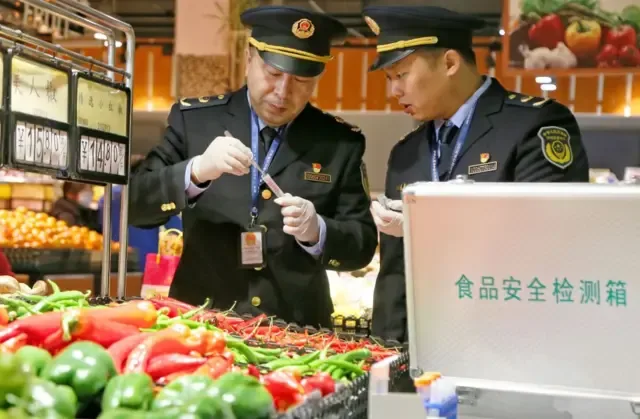
On August 21, Suqian Zhonghe Agricultural Products Market in Jiangsu Province received a police tip-off about the incident and tested the cabbages twice, finding no detectable formaldehyde [1]. By August 22, Nanjing Zhongcai vegetable market banned cabbages from Kangbao County and increased mandatory formaldehyde testing on cabbages from other regions, analyzing 53 batches so far, all testing negative [1]. The market handles around 150 tons of cabbages daily [1].
Beijing's Xinfadi wholesale market also conducted tracing and inspections and confirmed no formaldehyde-treated cabbages had entered their market as of August 22. The Beijing Fengtai District government stated, "after a full investigation, the cabbages involved did not flow into Xinfadi market, ensuring stable supply safety for the capital's vegetable basket" [3].
Central government bodies including the State Council Food Safety Office, Ministry of Agriculture, and Market Regulatory Administration instructed rapid and strict handling of the case and ordered nationwide inspections of similar vegetables. A spokesperson said authorities will "strictly and swiftly deal with the issue, trace the cabbages' circulation, prevent problem products from entering markets, and severely punish any illegal acts without leniency" [2].
Concerns have arisen about potential exports or re-exports of contaminated cabbages and products such as kimchi through countries including South Korea, Japan, Vietnam, or Taiwan. South Korea, where 99.9% of kimchi is made with Chinese cabbage imports, began mandatory formaldehyde testing on shipments August 24 and found no contamination in eight batches tested so far. An official said, "We will continue tracking information and strengthen inspections to ensure food safety for the public" [6, 7].
Taiwan's Food and Drug Administration reiterated its ban on fresh or chilled Chinese cabbage imports and reported no import records in 2026 to date. Deputy Director 蔡佳芬 stated the product is prohibited under economic department trade regulations [8, 9, 10].
The incident has prompted official tracing of cabbage distribution chains and increased testing at key agricultural markets. Authorities continue efforts to prevent contaminated produce from reaching consumers.