The International Energy Agency (IEA) said fully and unconditionally reopening the Strait of Hormuz is essential to end the global energy crisis caused by disruptions in oil and gas flows [1, 2, 3].
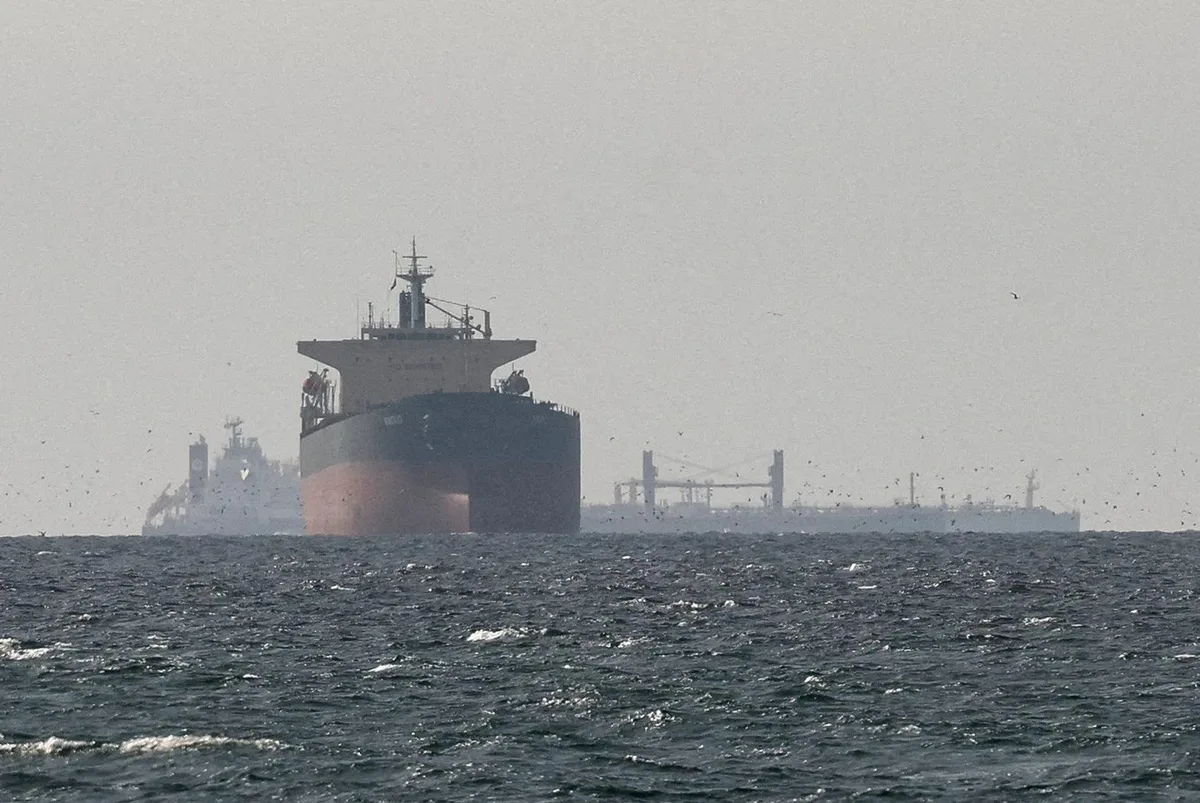
Iran effectively closed the Strait in late February 2026 following US and Israeli strikes, halting tanker traffic and sharply driving up crude prices [1, 4, 5]. The war-related closure blocked more than 14 million barrels per day of Middle East oil, causing a global supply gap estimated at around 12.8 million barrels per day [2, 6, 7, 3].
An interim US-Iran agreement signed in mid-June included reopening the Strait and lifting the US naval blockade on Iran [2, 8, 9]. Iran announced on June 19 it will waive transit fees for 60 days while vessels coordinate passage because of minefields [4, 9]. Iran’s Persian Gulf Strait Authority said ships must submit transit requests 48 hours before arrival during this period [4].
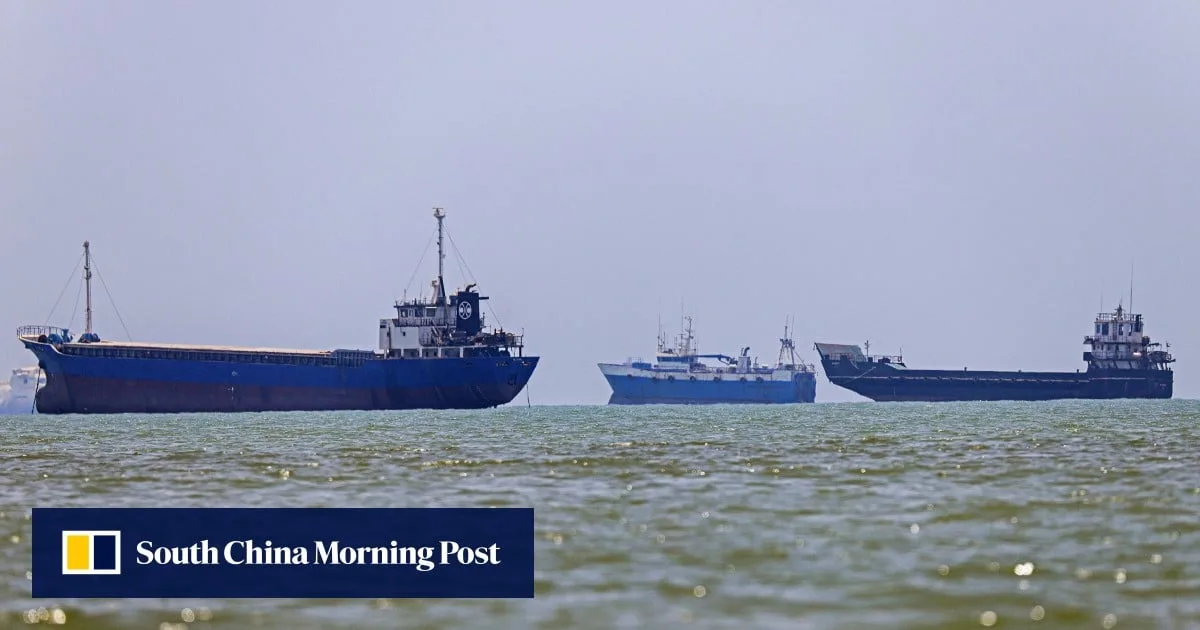
Commercial traffic across the Strait increased to 25 crossings on June 18, up from around 10 daily during the blockade but still well below pre-conflict levels near 130 vessels daily [4, 5]. Saudi supertankers carrying millions of barrels resumed passage the same day for the first time since the blockade began [5].
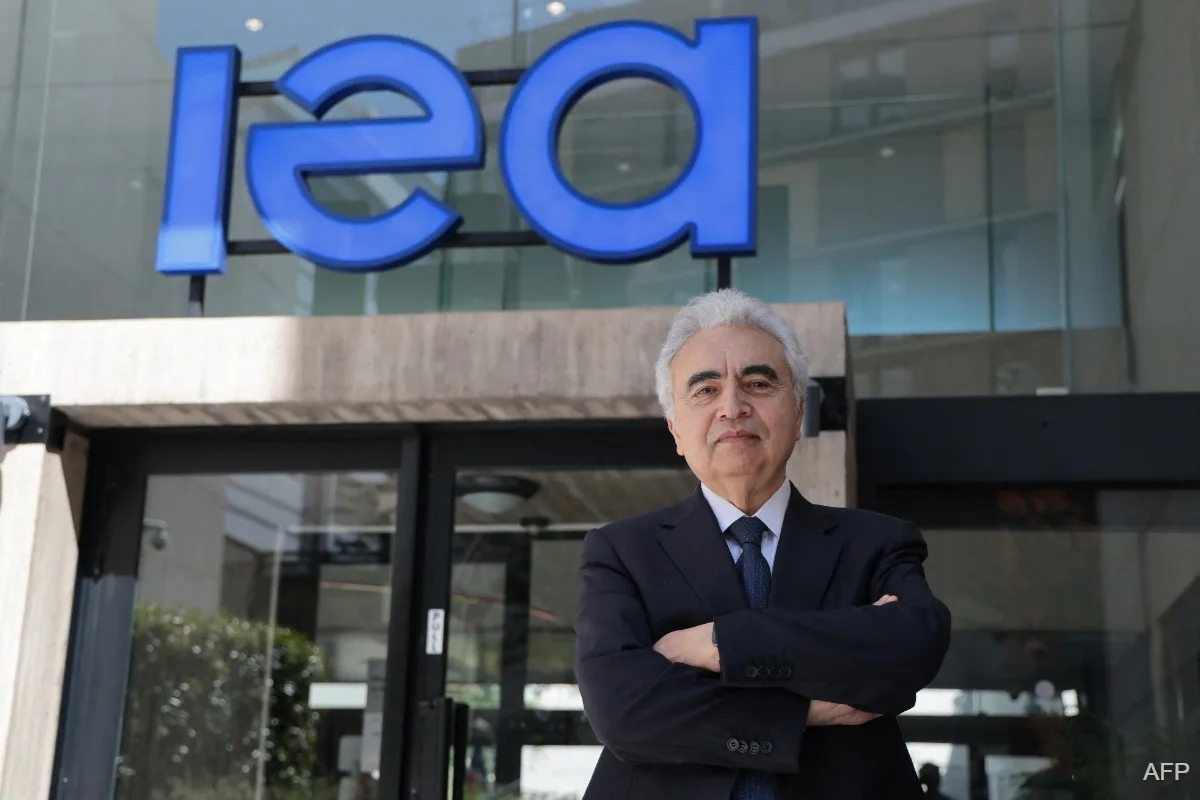
IEA head Fatih Birol said, “The single most important solution to this problem is the fully and unconditionally opening up of the state of Hormuz to shipping" [1]. The IEA expects a sharp oil supply surplus in 2027 amid recovery and new production, forecasting supply will rise 8 million barrels per day next year against 2 million barrels per day demand growth, creating a surplus of about 5 million barrels per day [2, 3].
However, OPEC Secretary General Haitham al-Ghais rejected the IEA’s forecast as premature and not fact-based, saying, “Sometimes it's best not to make such assumptions when they are not really based on facts and figures” [8]. European think tanks also warn supply-demand imbalances could persist into 2027 due to logistical constraints [6, 7, 10].
Market experts warn the Gulf energy sector will face higher costs and new risks after the closure, extending uncertainty [11]. Oil prices fell sharply to near $80 per barrel following the reopening deal but remain elevated and volatile [11, 10].
China’s sharp reduction in crude imports by about 4 million barrels per day during the crisis helped stabilize prices [12, 10]. UAE and Iran could increase output once sanctions lift, potentially adding over 1.5 million barrels per day combined, while new projects in Brazil, the US, and Guyana may add nearly 3 million barrels per day by 2027 [12].
Iran’s foreign ministry has indicated tolls or service fees may apply once the 60-day waiver ends [1, 4]. The next key test will be navigating political and operational risks such as mine clearance and transit rules to restore full oil flows through the Strait.
The IEA’s latest monthly report on June 17 forecasted post-Hormuz recovery and oil market trends through 2027, setting expectations for supply growth and demand rebounds after 2026 declines [2, 3].