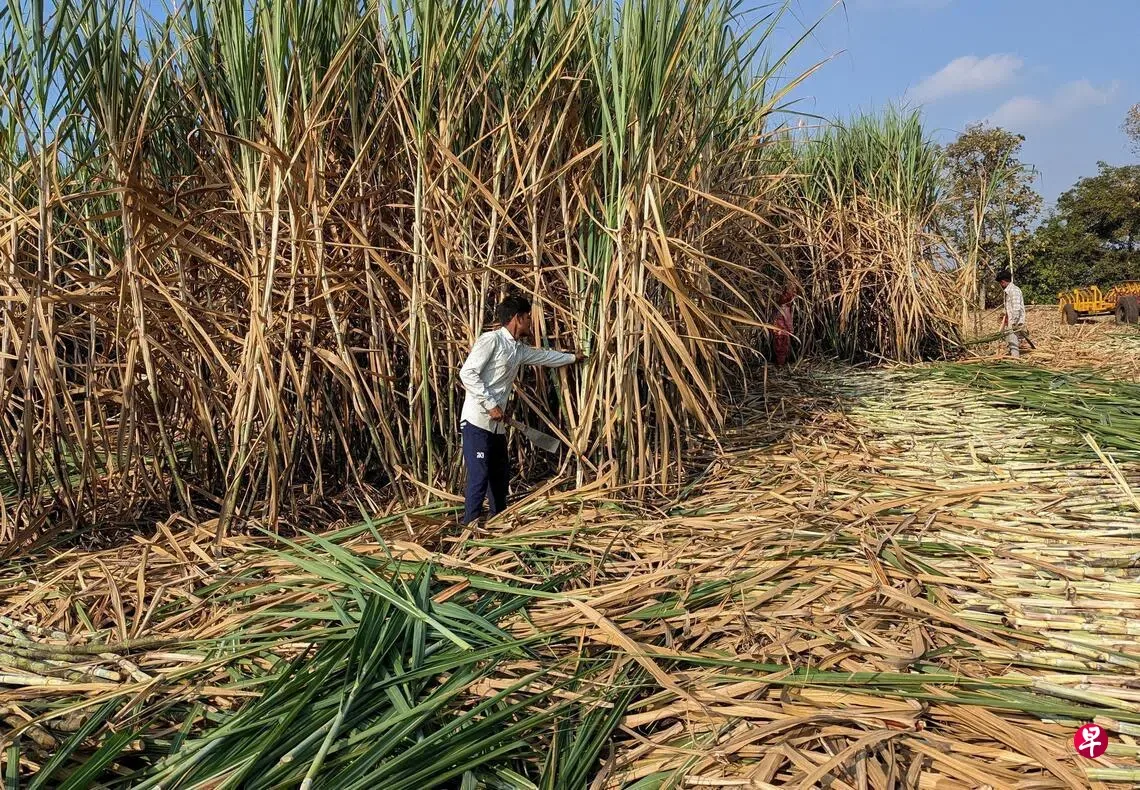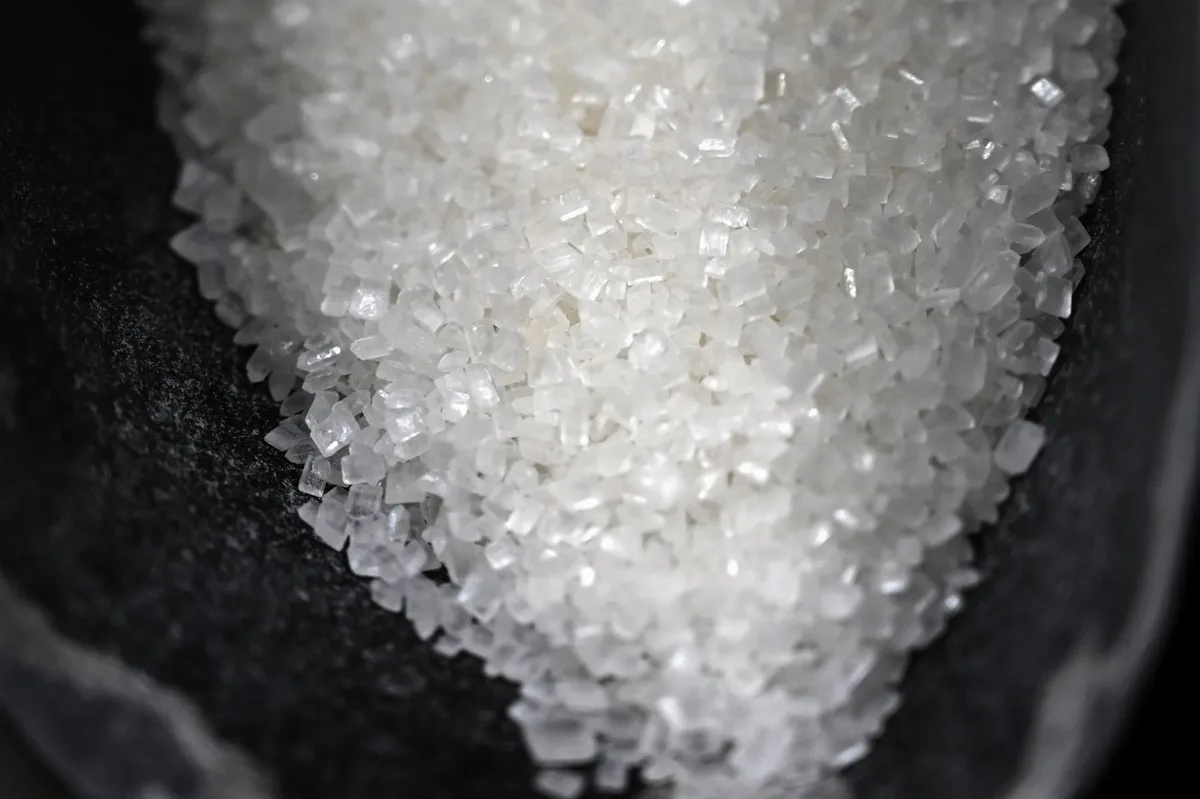
India issued a government notification on May 13, 2026, banning exports of all forms of sugar, including raw, white, and refined varieties, until September 30, 2026, or until further notice to protect domestic supplies and stabilize prices [1, 2, 3, 4]. The ban includes exceptions for shipments already loaded or vessels berthed before the announcement, as well as sugar handed over to customs before the ban [5, 2, 3].
India is the world's second largest sugar producer and exporter after Brazil, with forecasted sugar output for the 2025-26 season ending September 30 at around 32 million tons, down from earlier estimates of 32.4 million tons [1, 2, 4]. Production is expected to trail domestic consumption for a second year due to falling cane yields and adverse weather conditions, including a forecasted El Nino event impacting the 2026 monsoon season [5, 2, 6, 4].
Current sugar stocks are at a critically low level of about 4 million tons for the 2025-26 period, the lowest since 2016-17 [4, 7]. Before the ban, India had approved sugar export quotas totaling 1.59 million tons, but actual shipments had dropped from a peak of 11 million tons in 2021-22 to roughly 900,000 tons in 2024-25 [5, 2, 8]. About 600,000 tons had already been shipped under contracts before the ban, with another 200,000 tons contracted [5].
The export ban aims to avoid domestic sugar price inflation and ensure food security amid supply tightness worsened by geopolitical risks, such as Middle East conflicts affecting fertilizer imports, which in turn drive up costs [6, 4, 8, 7]. A Mumbai-based trade dealer said, "The government had provided additional export quotas in February, which encouraged traders to sign export deals. It will now be a headache for traders to fulfil those export orders" [5]. Former sugar industry chairman Artur noted that high food prices, disrupted supply chains, and a volatile rupee exchange rate near 96 rupees per dollar have pushed the government to act to prevent inflation from spiraling [6].
The ban is expected to support global sugar prices, benefiting rival producers like Brazil and Thailand [5, 6, 9]. Multiple news reports on May 14 highlighted domestic supply constraints, adverse weather risks, and inflation concerns driving the ban [5, 6, 4, 8, 9, 7, 10].
India’s sugar export ban will remain in effect until September 30, 2026, unless further notice is issued.