Japan's Cabinet Office reported that the country's gross domestic product expanded at an annualized rate of 1.1% in the second quarter of 2026, missing market forecasts near 2.0% and down from a revised 1.9% in the first quarter. The economy grew 0.3% quarter-on-quarter, also below the expected 0.5% pace, marking the third consecutive quarter of expansion but signaling a notable slowdown [1, 2, 3, 4, 5, 6, 7, 8, 9].
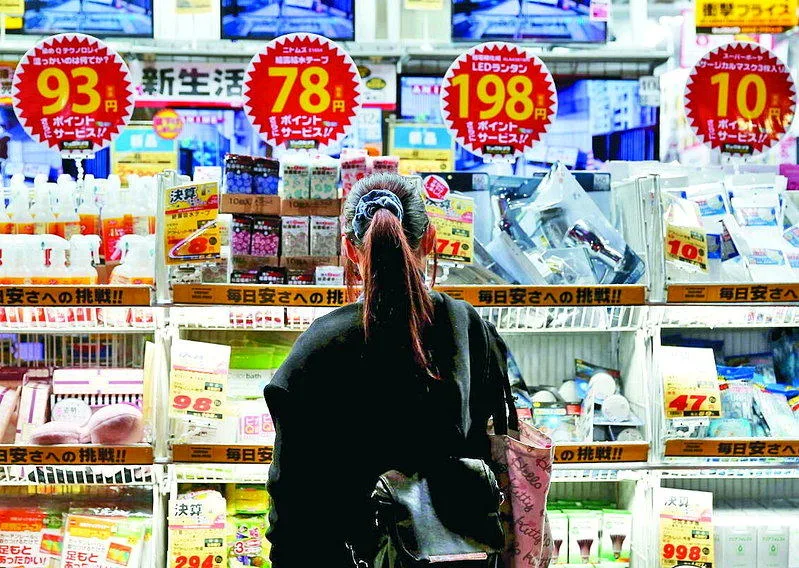
The deceleration was driven by weak domestic demand. Private consumption stagnated, showing no growth compared with expectations of roughly 0.4-0.5% expansion. Capital expenditure fell by about 1.2% from the previous quarter, missing projections for growth in business investment. Rising energy and raw material costs, fueled by ongoing conflict in the Middle East, increased expenses for companies and consumers, reducing spending power and complicating the economic outlook [1, 2, 3, 4, 5, 6, 7, 8, 9].
External demand was the primary driver of growth, contributing about 0.5 percentage points to GDP. Strong U.S. demand for Japanese hybrid vehicles and increased global investment in artificial intelligence boosted semiconductor exports, providing support amid weak domestic trends [1, 3, 6, 10, 8].
Japan's inflation rose moderately over the quarter, from about 1.4% in April to 1.7% in June, with forecasts for July exceeding 1.9%. This rise has complicated the Bank of Japan's policy balance, as inflation pressures persist despite slower growth [11]. Anadolu analyst Sadi Kaymaz said, "The Bank of Japan was more concerned over inflation and felt more confident about wage increases and growth, but we can say that with the release of this growth data on Monday that this confidence may have somewhat waned" [11].
Business surveys paint a mixed picture. Manufacturing confidence hit multi-year highs and industrial production rose since the end of Q1, pointing to some sector strength. However, some economists caution that falling capital expenditure and the uncertainty around energy prices due to Middle East tensions may dampen investments and consumer spending in the coming months [1, 3, 4, 5, 9].
Prime Minister Sanae Takaichi's government is implementing fiscal measures including subsidies and plans to reduce the food consumption tax to 1% starting April 2027 for two years to ease the impact of inflation on households [1, 2, 5, 9]. Some analysts warn that higher import and raw material costs could be passed on to consumers, threatening spending in the second half of 2026 [1, 3, 6].
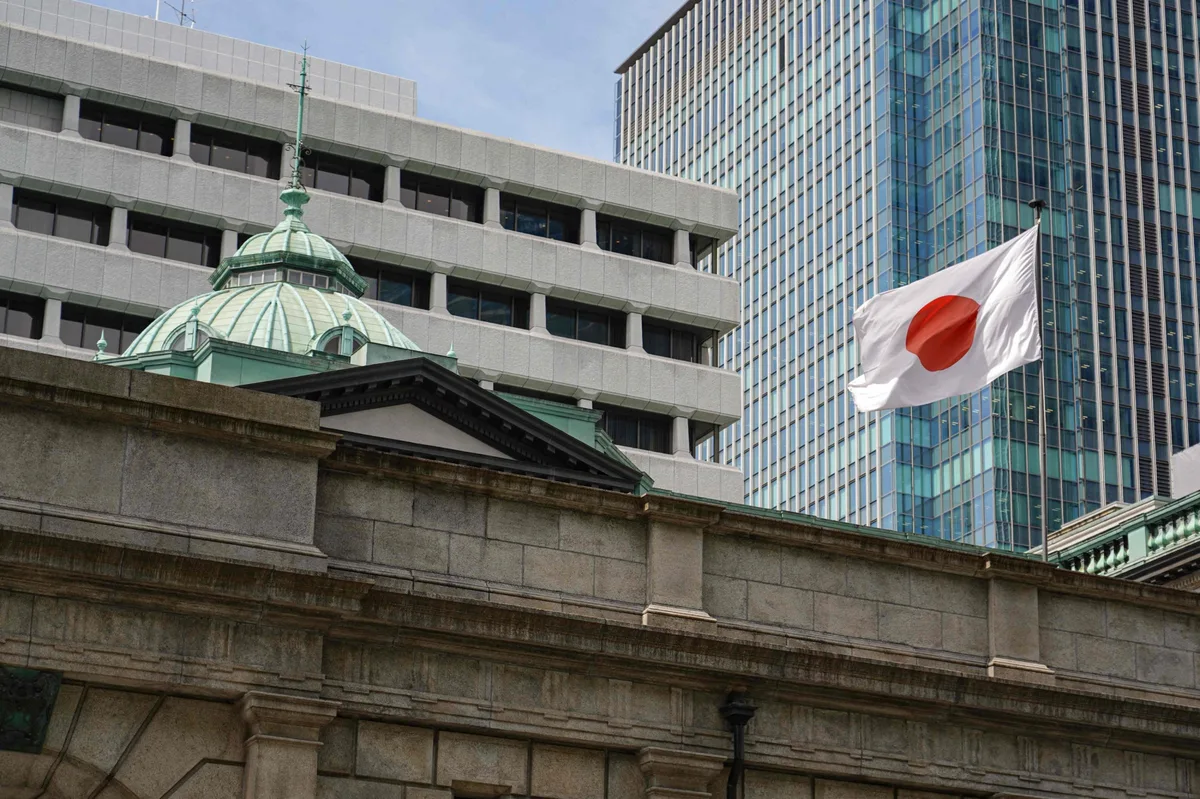
Despite the weaker GDP data and cautious outlook, the Bank of Japan is widely expected to raise interest rates at its September 18 meeting, with market-implied odds around 80%, though the slowing domestic demand complicates the decision. Bloomberg Economics senior economist Taro Kimura noted that while the Q2 GDP growth was above Japan's potential rate, "the details weaken the case for a September rate hike that markets have increasingly priced in" [1, 2, 3, 4, 5, 9].
Looking ahead, a survey by the Japan Economic Research Center forecasts a sharp slowdown in GDP growth for Q3 2026 to an annualized rate of about 0.05% [1, 6]. The upcoming BoJ meeting and fiscal policy changes will be closely watched as policymakers navigate slowing growth amid inflationary pressures.