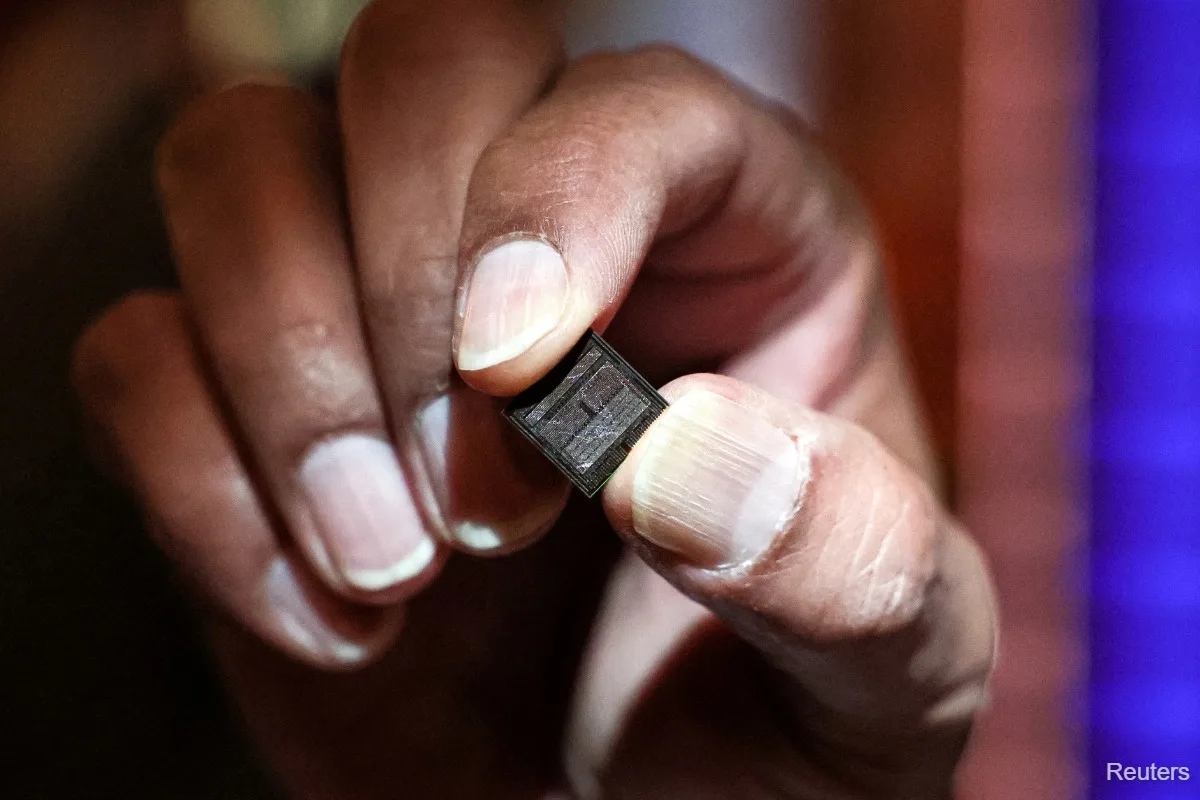
Micron Taiwan unions representing nearly 10,000 workers at its Taoyuan and Taichung plants are moving toward possible strike action if the company does not revise its bonus system to share profits more equitably with employees. The unions criticize the current Incentive Pay Plan (IPP) for lacking transparency and failing to reflect the company's strong profit growth driven by AI memory demand [1, 2, 3, 4, 5, 6].
An internal survey conducted by the unions in August found that over 80% of participating members supported strike action if demands are not met, signaling strong worker unrest [1, 2, 7, 3, 4, 5, 6]. Although Micron Taiwan announced on September 1 that it would issue the highest-ever performance bonus in the company’s history, unions remain dissatisfied and continue to push for reform of the payout mechanism [1, 2, 7, 3, 4, 8, 5, 6]. "This year's performance-bonus payout would be the highest in the company's history. We will continue to engage with employees through existing channels while respecting applicable legal processes," a Micron Taiwan spokesperson said [1].
The unions seek a bonus-sharing model similar to South Korean chipmakers Samsung and SK Hynix, which allocate roughly 10% of operating profits as employee bonuses. They argue such reform would fairly reward workers amid record profits, while Taiwan operations produce about 60% of Micron's global DRAM and high-bandwidth memory (HBM) chips [1, 3, 4, 5, 6].
Micron reported a record fiscal Q3 revenue of US$41.46 billion and net income of US$28.24 billion as of May 28, 2026, powered by strong AI-related memory demand. Its market value stood at about US$1.10 trillion as of September 1 [1]. An expert warned that a strike could disrupt the global supply chain, impacting key customers such as NVIDIA and the AI semiconductor market. "If it really evolves into a strike, it will not be just a single-company issue over a few months’ bonuses but will directly affect the normal operation of the global memory and AI supply chain," labor expert and investor Ye Yushuo said [6].
Under Taiwan labor law, a legal strike requires completion of mediation and a secret ballot with majority approval, neither of which has yet occurred. Labor authorities and the Central Taiwan Science Park administration are monitoring the dispute and may facilitate negotiations if necessary [3].
The unions’ membership covers about 10,000 of the approximately 15,000 employees at Micron’s Taiwan plants [1, 4, 5, 6]. Micron is expected to finalize and announce the new performance bonus plan details for its Taiwan operations in October [2, 7, 3, 8, 5].