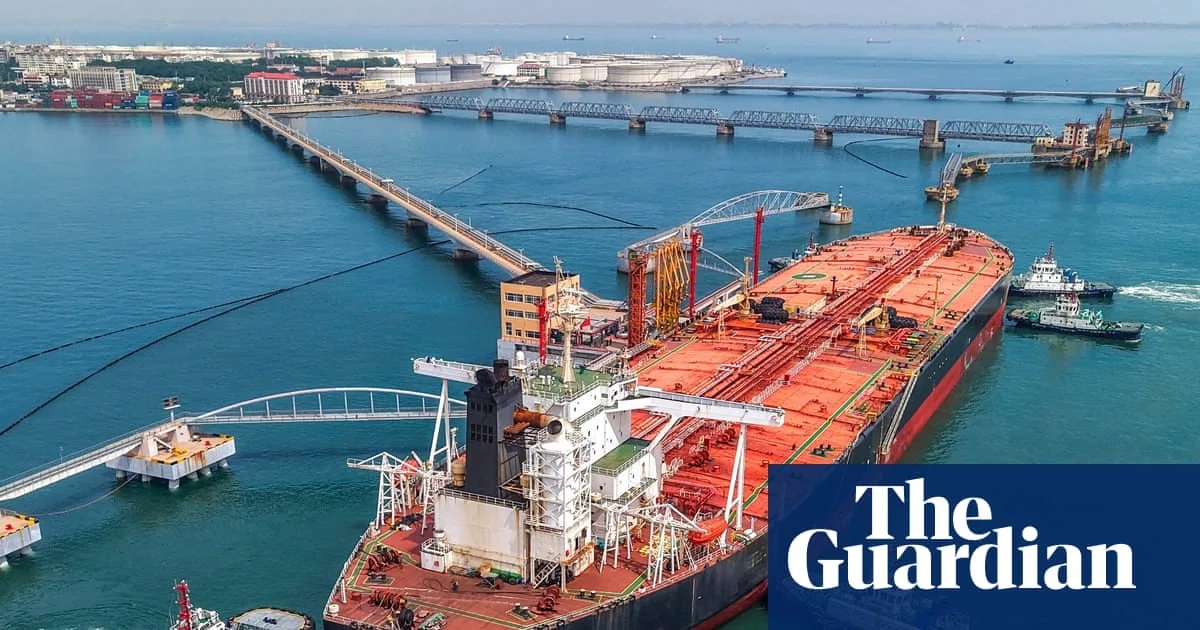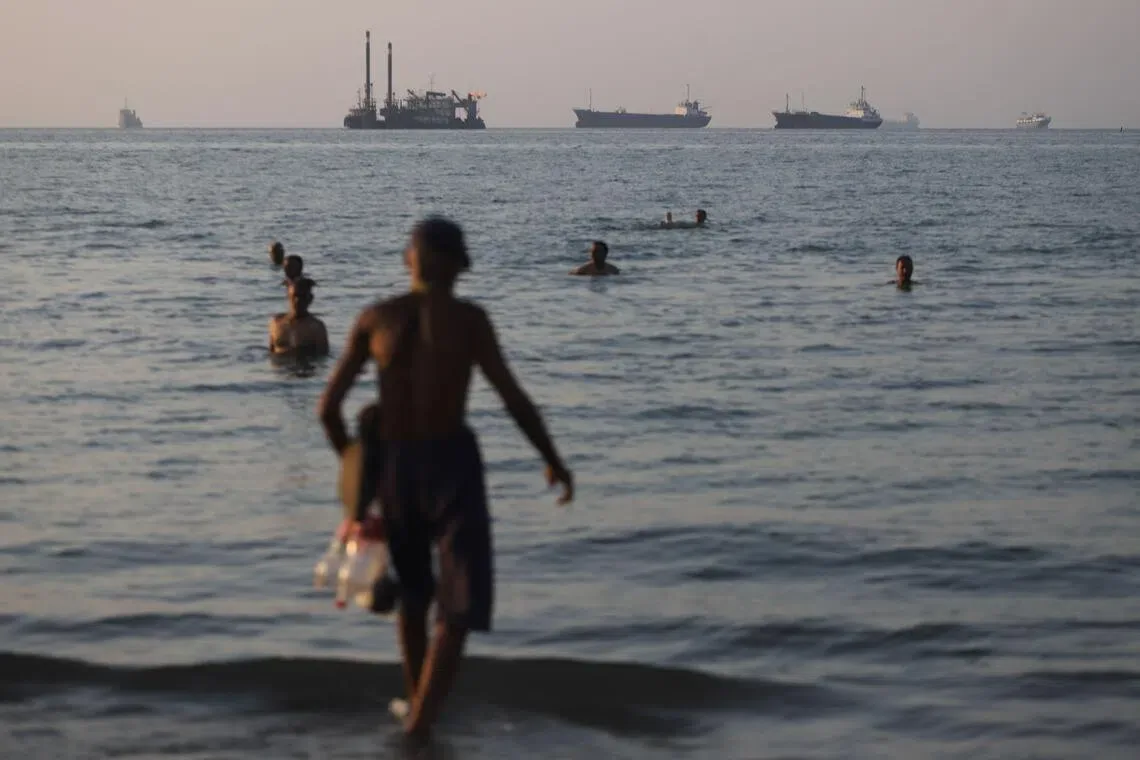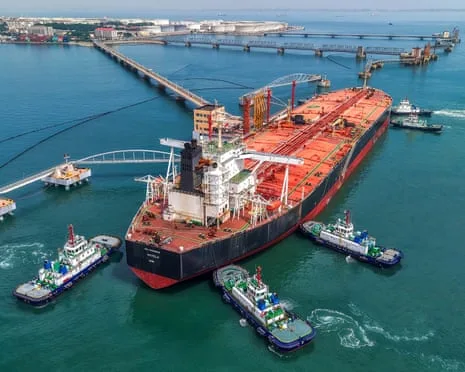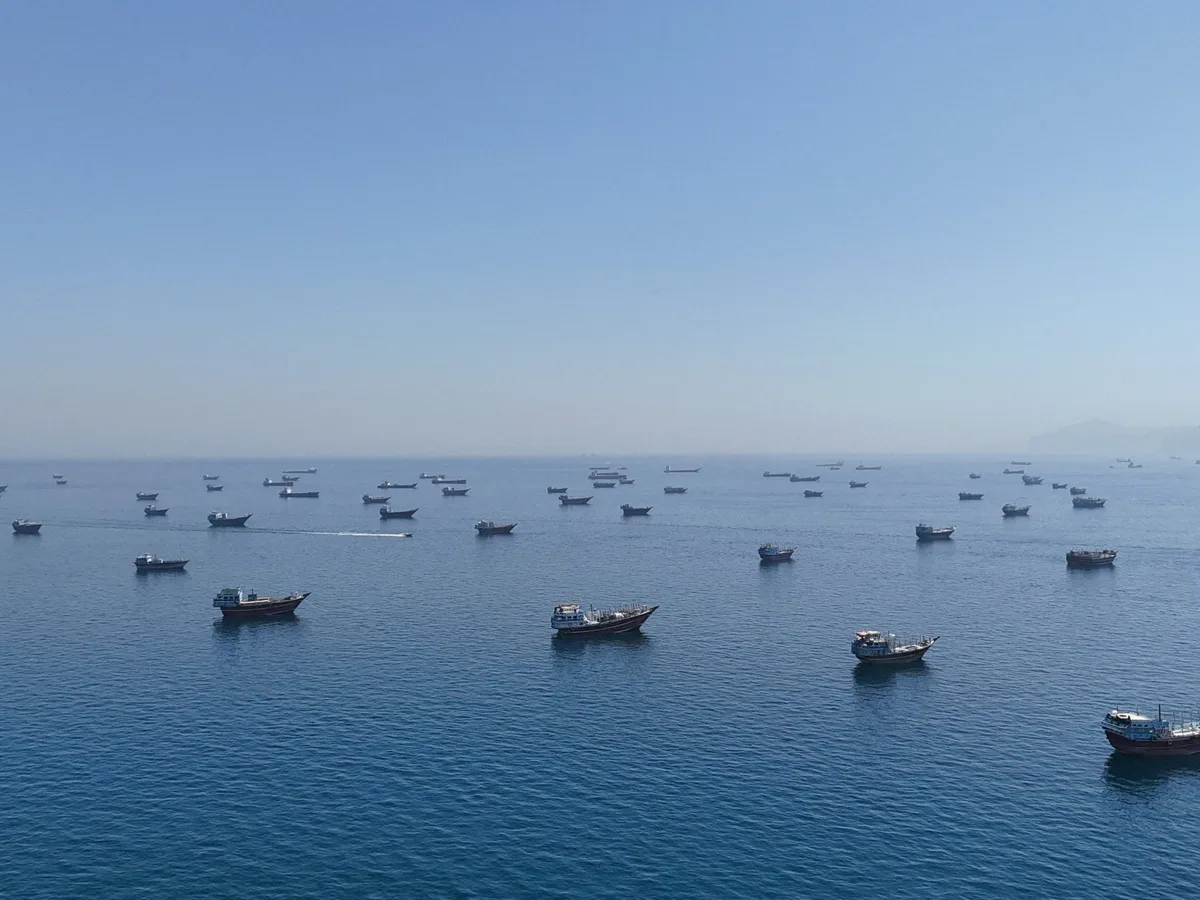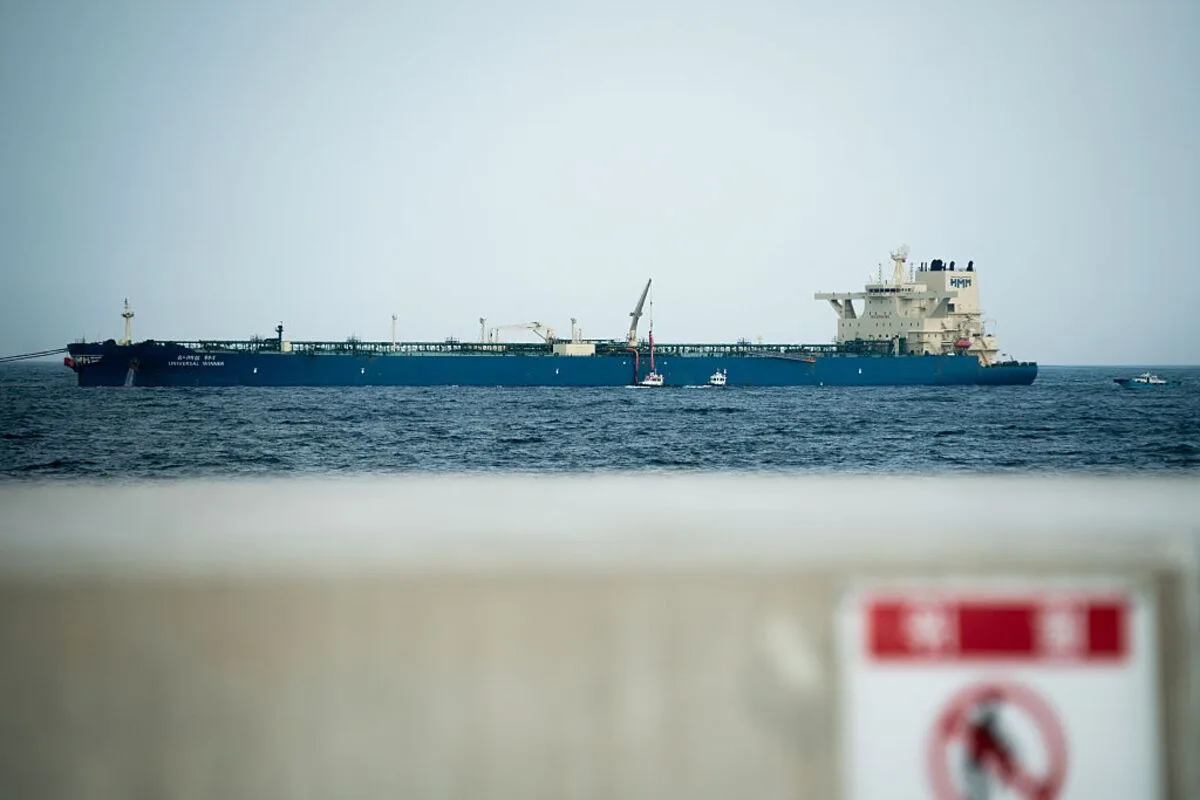
Non-Iranian oil flows through the Strait of Hormuz surged by 50% in early June 2026 compared to May, rising from 1.2 million to 1.8 million barrels per day [1]. The increase came amid ongoing tensions after Iran largely closed the strait to most shipping in March 2026 in retaliation for US-Israeli attacks [2, 3].
US Energy Secretary Chris Wright said on June 12 that the US military helps move around 7 million barrels of oil per day out of the Persian Gulf, though no Iranian crude passes through the strait [4, 5]. Wright acknowledged ship traffic rising "very meaningfully" but stopped short of confirming a secret escort operation on the scale claimed by President Donald Trump [5].
Trump publicly claimed between June 11-12 that the US military has secretly escorted more than 200 commercial ships and over 100 million barrels of oil through the Strait of Hormuz during the past month. He said, "This wildly successful effort is because the UNITED STATES of AMERICA CONTROLS the Strait of Hormuz — NOT Iran" and described ordering the "secret mission" to support oil tankers and commercial ships [6, 2, 7, 3].
Despite Iran's blockade and naval risks, some crude and petroleum products continue moving through the strait via "dark transits" with turned-off ship transponders to avoid detection [1, 6, 3]. This continues even as the International Maritime Organization (IMO) stated on June 12 that the Strait of Hormuz currently lacks safe navigation conditions due to ongoing risks, recent explosions, casualties, and detentions [8, 9]. IMO Secretary-General José Viegas noted these conditions expose ships to "known, significant, and apparently unmitigable risks" [8].
Iran reported explosions on June 12 at Bandar Abbas port and the Sirik region near the northern coast of the strait [9]. The conflict was triggered by US-Israeli strikes in late February 2026, which led Iran to close the strait and a regional war that paused seaborne energy flows from the area [10, 2]. A ceasefire was established on April 8 2026 through Pakistan-mediated talks but disruptions have continued [11].
Global oil prices fell sharply in early June amid hopes of a US-Iran peace deal that could lead to reopening of the Strait of Hormuz [10, 12]. Wright said on June 9 that it may take many months for energy flows via the strait to fully normalize following the conflict-related disruptions starting in February 2026 [11].
The US military's next moves and ongoing control of maritime traffic through this strategic chokepoint remain closely watched as tensions persist and efforts to restore safe navigation continue.