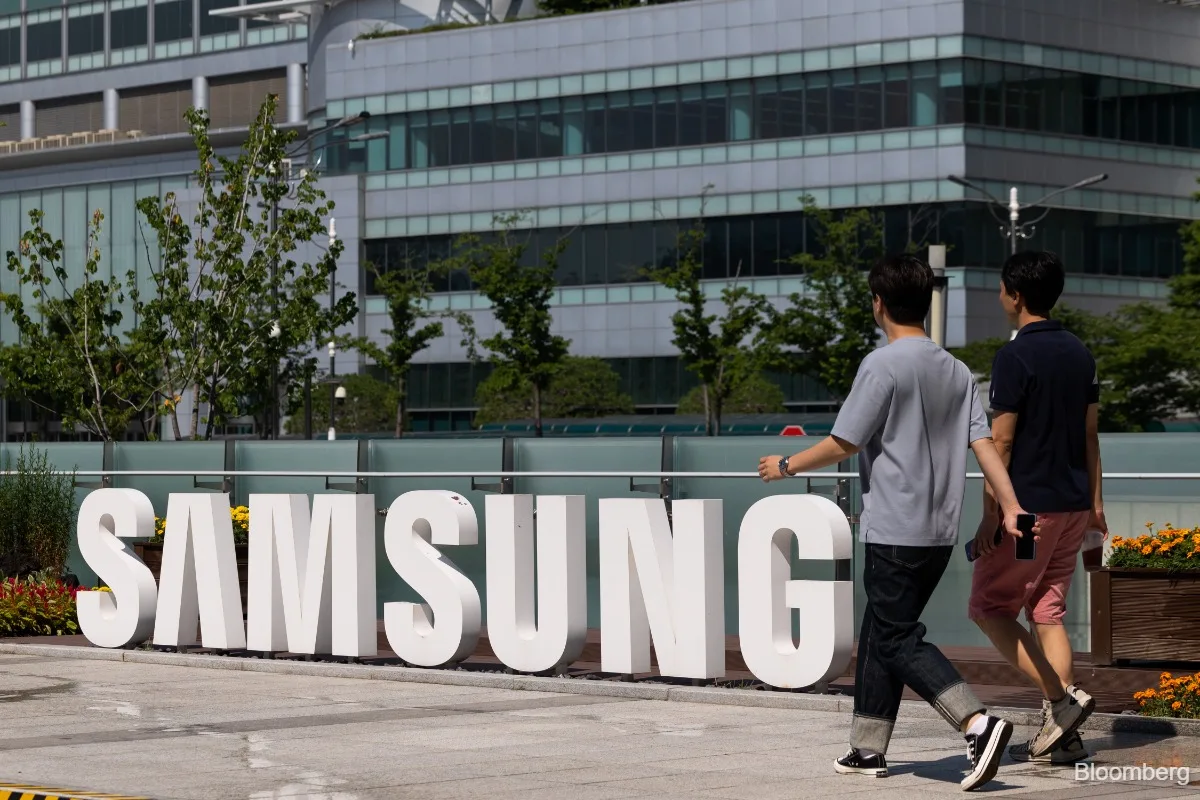
Samsung Electronics and SK Hynix both surpassed a $1 trillion market valuation in May 2026 amid strong AI-driven demand for memory chips, marking a milestone in the semiconductor sector [1, 2, 3, 4, 5, 6]. SK Hynix's stock surged over 13% on May 27, reaching a record high on large AI-related orders from Nvidia, while Samsung Electronics rallied earlier that month to pass the trillion-dollar mark [7, 6, 5, 7].
The Korea KOSPI index outperformed major Asian markets in 2026, rising between 82.1% and 86.2% year-to-date led by technology and semiconductor stocks, including these two giants [8, 9, 10, 11]. South Korea's exports supported the rally, with chip exports jumping 202% year-on-year in early May, contributing to strong sector fundamentals [8, 9, 10, 11]. Meanwhile, Taiwan's stock market also hit record highs late May, boosted by AI-related names including Nvidia and local chip suppliers [8, 9, 10, 11].
Strong structural demand for high bandwidth memory chips and supply chain tightness have given Samsung and SK Hynix significant pricing power, seen as driving a longer industry upcycle [2, 5, 7, 6]. However, some investors expressed concerns about bubble-like valuations in memory chip stocks, leading to measured selling [2, 7].
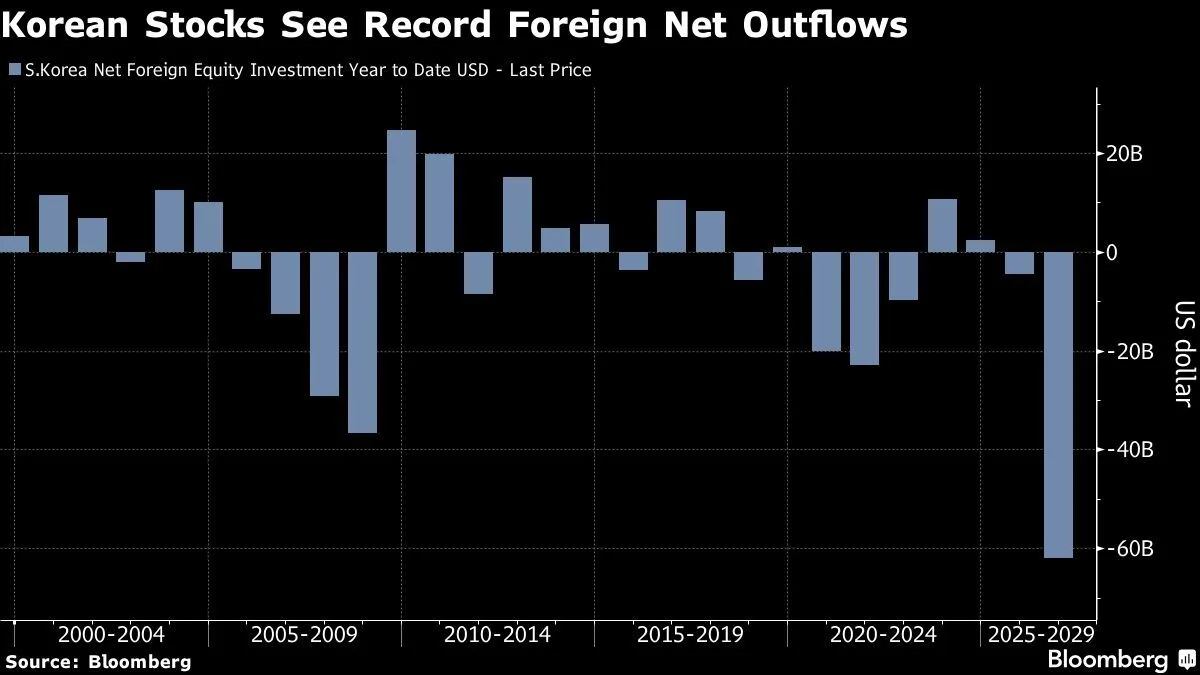
Funds are compelled to sell shares of Samsung and SK Hynix due to single-stock position limits capping exposure at 10%, creating mechanical selling pressure and elevated price volatility despite the companies’ rising valuations [1, 3, 4]. Combined net foreign outflows from the two firms’ stocks are estimated at approximately $58.6 billion so far this year, underlining record fund selling driven by portfolio diversification rules [1, 3, 4]. Florian Neto, Amundi’s head of investment for Asia, said, "We are taking profit more from a portfolio construction point of view, and this is one of the risks. I think those stocks have been moving so fast in terms of market cap that they are getting to levels that investors need to sell because they need diversification" [1]. Ha Seok-Keun, CIO at Eugene Asset Management, noted some investors may look to expand semiconductor exposure indirectly via affiliates or holding companies [1].
Samsung and SK Hynix now represent about half the KOSPI index's market capitalization, increasing the index’s sensitivity to their stock moves [5, 6]. On May 27, SK Hynix’s stock surge helped trigger a buy-sidecar mechanism in the KOSPI due to volatility [7, 6].
Recent key events include Taiwan’s stock market surge on May 25 driven by AI chip optimism and Nvidia CEO Huang Renxun’s visit ahead of the COMPUTEX event [8, 9, 10]. On May 26, the KOSPI jumped 2.55% on hopes of easing US-Iran geopolitical tensions, with Samsung and SK Hynix stocks rising [12]. The AI-related demand and fund selling limits will likely continue driving volatility and trading flows in these stocks.