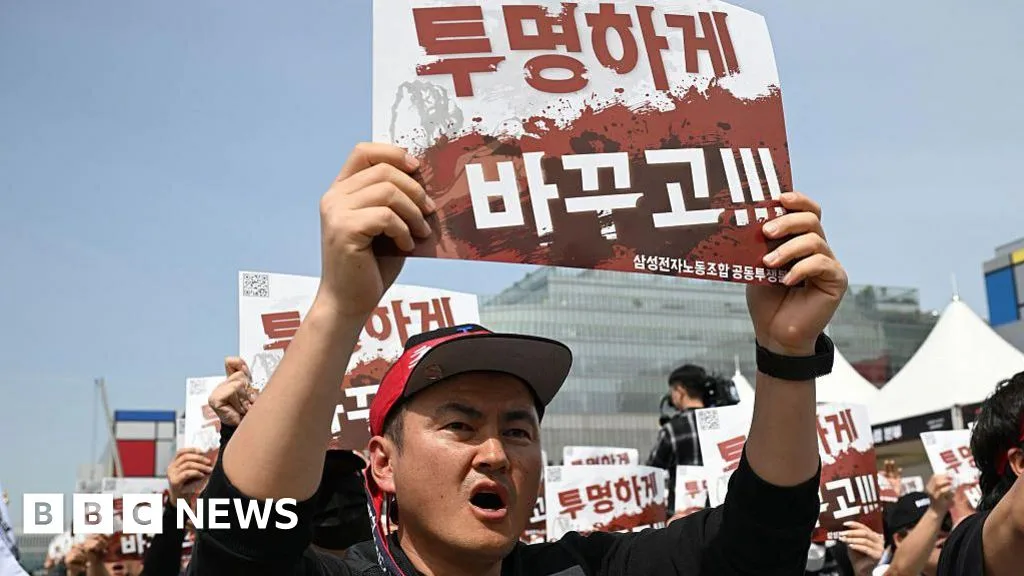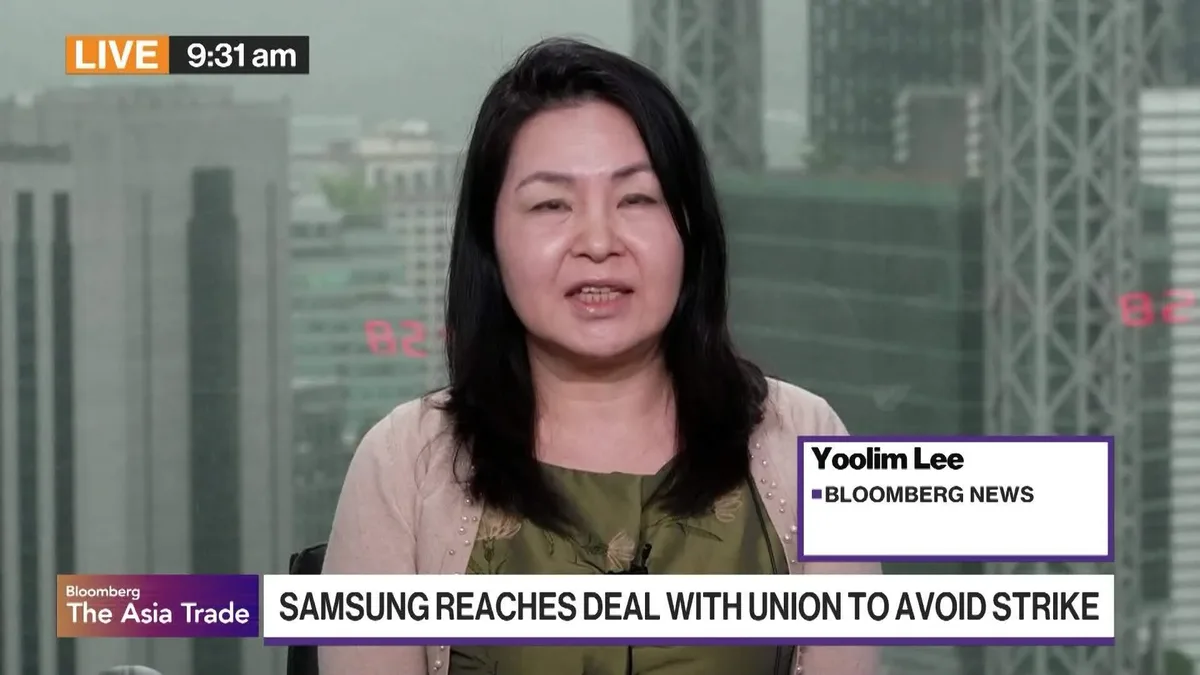
Samsung Electronics and its South Korean labor union reached a tentative pay agreement by May 21, 2026, suspending an 18-day strike planned to start that day [1, 2, 3, 4]. The union represents about 48,000 workers at Samsung, including employees at its chip manufacturing units [2].
The dispute centered on workers’ demands for a larger share of the company’s booming profits, particularly linked to strong AI chip sales. Samsung had proposed bonuses equal to about 10% of operating profit plus a one-time special payment, while the union demanded 15% of profit allocated to bonuses and removal of bonus caps [5, 6, 7]. Samsung's chip business accounted for more than 90% of its operating profit in Q1 2026, with profits up about 750% year-on-year [2, 7].
Union representatives criticized a pay gap with rival SK Hynix, whose workers reportedly receive higher bonuses without limits [2, 5, 6]. Choi Seung-ho, a union representative, said, "I would like to express some regret that none of the agenda items requested by the union have been addressed" despite ongoing talks [5].
Concerns over the strike’s impact on production and deliveries weighed on Samsung shares, which dropped as much as 8.6% on May 15 amid strike fears [8, 7]. JPMorgan estimated a strike could hit Samsung's operating profit by $14 to $21 billion and cause sales losses of 4.5 trillion won [9, 10]. South Korean officials, including Finance Minister Koo Yun-cheol, urged talks to avoid a strike. Koo said, "A strike must be avoided at all costs" [9]. Samsung executives made a rare visit to union leaders on May 15 to restart talks and expressed an "unconditionally open attitude" toward dialogue [8, 7].
Samsung reportedly began reducing chip production on May 14 ahead of the strike risks [9]. The union initially planned to strike starting May 21 regardless of preliminary talks but later agreed to suspend action pending ratification of the pay deal by union members, with a vote scheduled from May 22 to 27 [1, 2, 4]. Samsung and the union also agreed to resume negotiations with government mediation on May 18 after replacing the company’s negotiation chief, reflecting efforts to find a resolution [4].
Samsung Electronics chairman Lee Jae-yong publicly apologized during the dispute, stating, "I sincerely apologise to customers around the world for causing anxiety and concern due to issues within our company. I also deeply bow in apology to the public" [4].
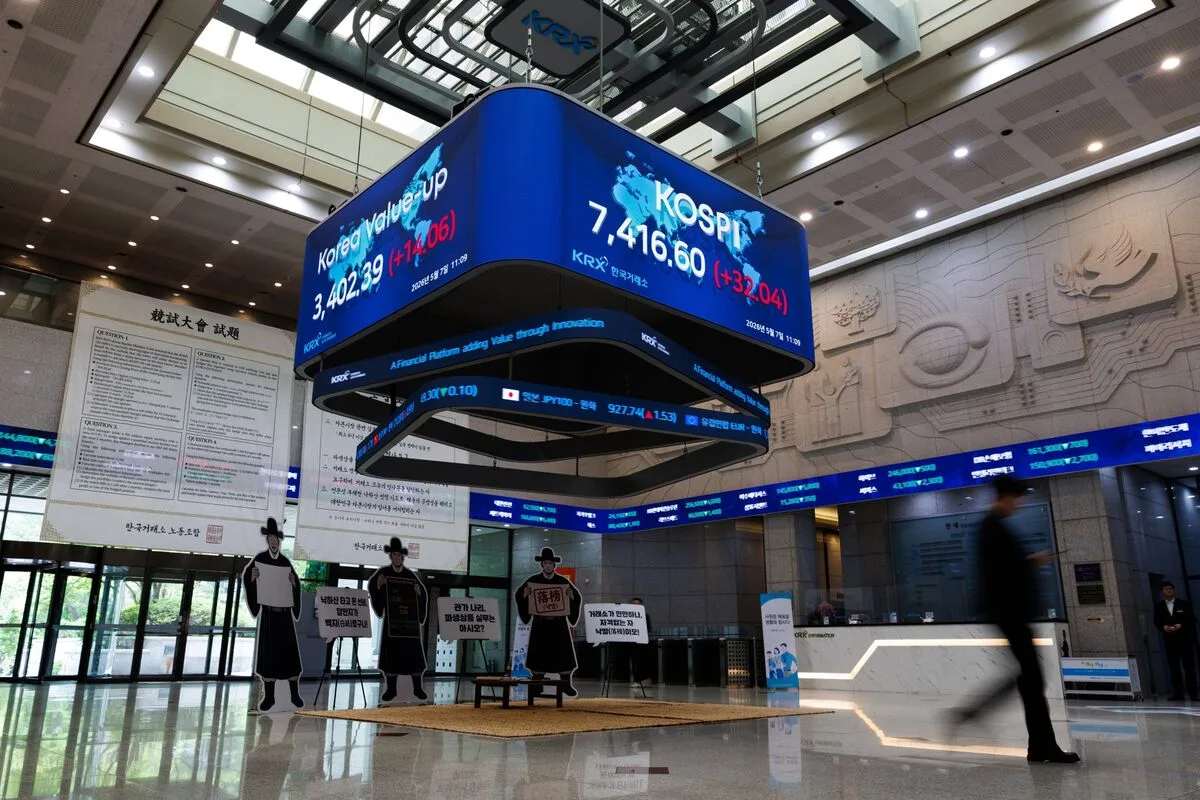
On May 21, Samsung shares rebounded, gaining 8.5%, and the benchmark Kospi index rose 8.4% as the market welcomed the tentative agreement [1]. The next step is the union vote on the tentative pay deal running through May 27 [1, 4].