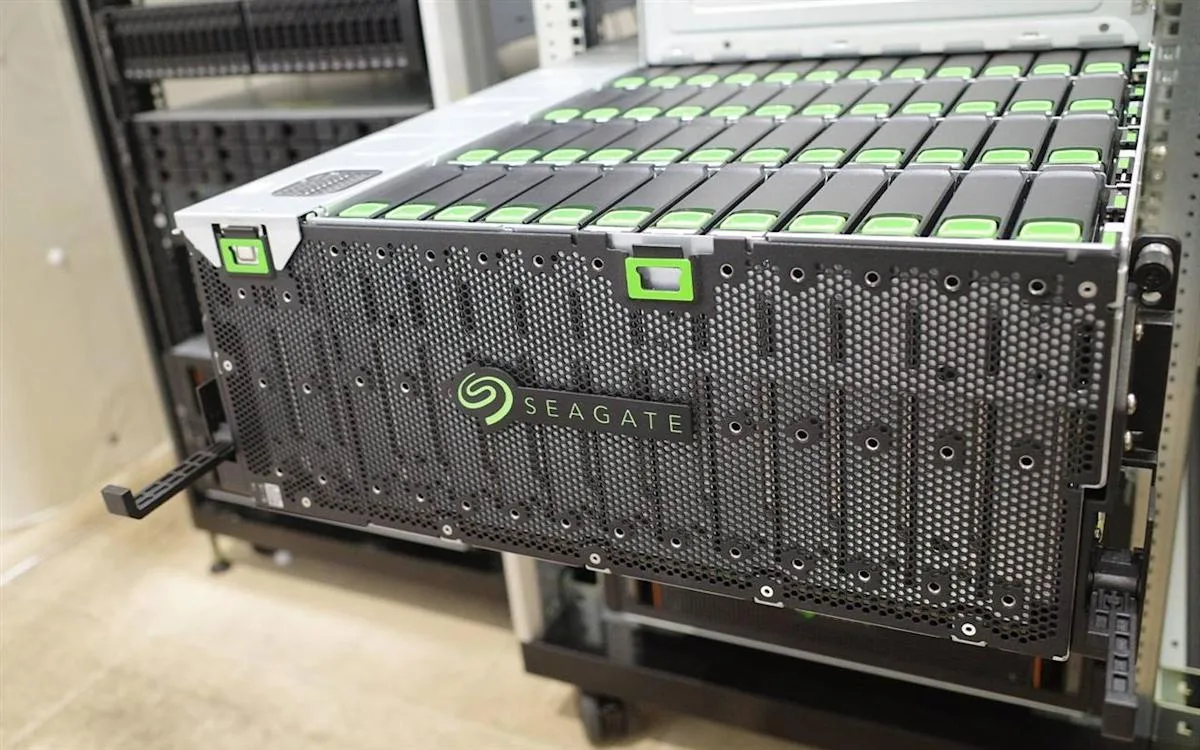
Seagate stock fell 6.87% on May 18 after CEO Dave Mosley said building new manufacturing plants takes too long and could cause capacity oversupply in the memory sector [1, 2, 3, 4]. Mosley told the JPMorgan conference that increasing exabyte-scale storage capacity should rely on technical improvements rather than new factories. He said, "If we pull the team away from current work and start building new fabs or adding new equipment, it takes too long. Although eventually it increases capacity, it also slows down technical progress" [1]. He added, "To achieve a significant increase in exabyte output, we continue advancing technology upgrades rather than saying 'okay, let's build another fab' because that takes a very long time" [1]. Mosley emphasized confidence in maintaining four to five quarters of visibility for customer demand and production planning despite actual demand being far higher [4].
Mosley's remarks triggered a broad sell-off across the memory and storage sector. US stocks for companies such as Micron, SanDisk, and Western Digital fell sharply on May 18 and 19 [1, 2, 3, 5]. Taiwan memory chip stocks were hit especially hard; Phison, Nanya, Winbond, and Macronix saw steep declines or even trading halts as investor concerns mounted [3, 4]. The Taiwan stock index dropped more than 1,000 points on May 18-19 partly due to memory sector weakness and global macro risks [2, 3, 4, 6, 7, 5].
Some industry leaders provided contrasting views on supply. Nvidia CEO Jensen Huang said, "AI boom is strongly driving chip manufacturing, and memory demand will continue to exceed capacity. Nvidia is working hard to ensure the supply chain is ready" [2]. Michael Dell, CEO of Dell Technologies, similarly warned that "Memory and advanced process chips remain short in supply despite increased investments, with a capacity gap difficult to fill short term" [2]. Market analysts highlighted a structural dilemma: long fab build cycles versus rapidly shifting demand causing price volatility and supply imbalance [2, 4].
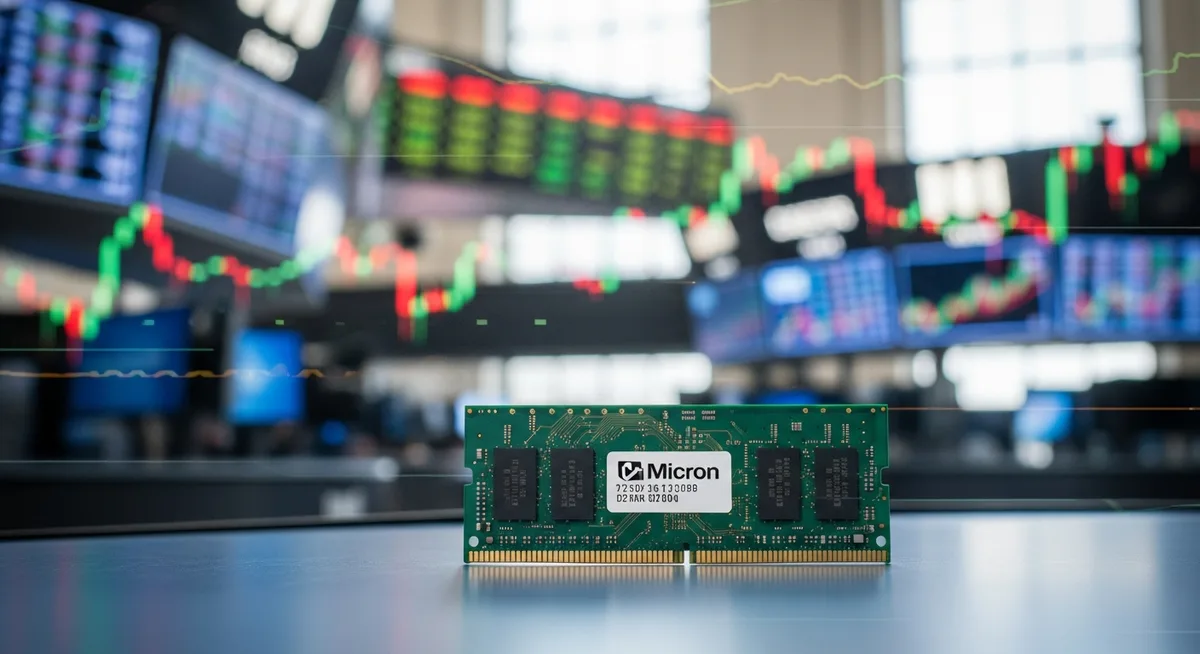
Micron's stock rebounded 2.52% and 4.76% on May 19 and 20 due to strong AI server demand and rising DRAM and NAND prices [5, 8, 9]. However, uncertainty remains as Samsung workers planned a strike from May 21 to June 7 over wages and bonuses. The potential shutdown poses supply risks amid surging memory chip needs. Talks yielded a temporary agreement delaying the strike pending union votes [8, 9].
Seagate's market capitalization rose over 144 billion USD in the past year, driven by AI data center demand [1]. Mosley's warning on capacity expansion risks and the sector-wide sell-off reflect growing tension between long production lead times and booming demand. US President Trump's May 19 announcement to delay an attack on Iran reduced geopolitical tensions but US markets opened lower with memory stocks pressured amid rising bond yields [2, 6, 7].
The near-term focus will be on whether memory suppliers can manage supply constraints while advancing technical upgrades, and how the planned Samsung strike developments impact chip availability over the coming weeks.