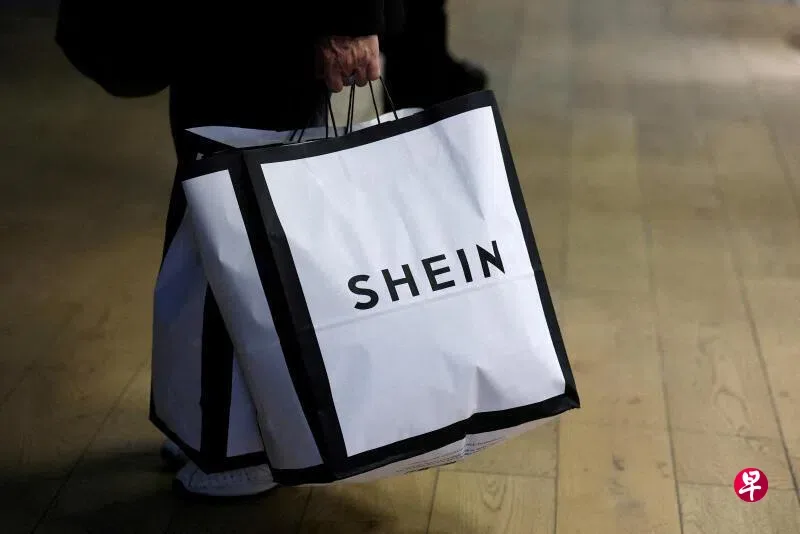
Shein reported a 38.7% drop in net profit to approximately $2.064 billion in 2025, despite an 8.0% increase in revenue to about $41.8 billion [1, 2, 3, 4]. This marks a slowdown from 2024 when revenue grew 20.7%. The company’s active customers reached roughly 273 million at the end of 2025, with operations spanning around 160 markets worldwide [2, 4].
In the first quarter of 2026, Shein posted a net loss of $99 million, reversing from a net profit of $395 million in the same period last year. The loss was largely driven by a $328 million fair value loss related to convertible redeemable preferred shares [1, 5, 3, 4, 6].
Shein attributed part of its revenue slowdown to the U.S. government’s cancellation of the small package duty exemption for imports from China in May 2025, which hindered sales and growth in the key U.S. market [1, 5, 3, 6]. U.S. revenue for Q1 2026 fell 14.3% year-on-year to $2.04 billion, and the U.S. market’s share of total revenue dropped to 22.5% [3]. This challenge is expected to intensify as the European Union begins applying a 3-euro tariff on low-value e-commerce imports outside its free trade zone starting in August 2026 [3, 6]. Shein is reportedly considering raising prices in the U.S. and EU to offset these tariffs [3, 6].
Shein uses a supply chain model where over 90% of its revenue in 2025 came from goods stocked in China central warehouses before shipping abroad, relying mainly on partner production [3]. The company faces criticism over labor conditions, addictive app features, and environmental impacts from airfreight [3].
Shein’s founder Xu Yangtian remains chairman and CEO, while former executive chairman Tang Wei no longer appears in senior management listings [3]. Its pre-IPO investors include IDG, Sequoia Capital, Tiger Global, and Mubadala Investment Co, among others [3, 4].
Shein’s planned Hong Kong IPO was approved by the China Securities Regulatory Commission in July 2026, with the prospectus publicly disclosed on July 26 [1, 5, 2, 3, 4]. The IPO is expected to launch on the Hong Kong Stock Exchange between late August and early September 2026 [1, 5, 4]. The company aims to raise $2 to $3 billion, depending on investor response. The IPO valuation is estimated at $40 to $50 billion, significantly down from the $100 billion valuation reported in 2022 fundraising [5, 3, 4].
Bloomberg industry analyst Katherine said the company’s limited growth prospects will pressure its valuation [5].